Spring 2026: A Strategic Window for Bay Area Sellers
Hi, I’m Juan Diaz. I’ve seen every market cycle since 1985—from clipping newspaper auctions to today’s AI-driven luxury markets.
The Bay Area spring market is building momentum. We are entering a normalization phase where selling strategy determines your net profit. This is no longer the kind of environment where every property automatically draws aggressive offers the moment it hits the market. Homes are still selling, but buyers are more selective, more payment-sensitive, and far more aware of repair risk than they were during the hottest periods.
That shift matters because many homeowners are still thinking with an old-market mindset. They assume a strong location alone will carry the sale, or that buyers will simply absorb deferred maintenance without hesitation. In Spring 2026, that is less true. Buyers are watching rates, comparing more inventory, and negotiating harder when a property needs work.
For sellers, this market is not necessarily weaker. It is simply more disciplined. A disciplined market rewards strategy, realism, and preparation. That means homeowners who understand what buyers want and what their own property can realistically deliver are in a much stronger position than those who rely on outdated expectations.
What We Are Seeing in the Spring 2026 Market
Early data from February and March provides clear signals for homeowners considering a move. Inventory is not flooding the market, but there is enough additional competition to make pricing, presentation, and timing much more important than they were when options were extremely limited.
1. Inventory is Gradually Rising
We are seeing more listings compared to late 2025. In areas like Oakland, days on market are stretching past 60 days for non-turnkey homes. This means sellers with rougher properties may face more price pressure and more questions from buyers than they expect.
2. Prices are Stabilizing
Most segments project modest gains, while select hubs like Burlingame and the Peninsula hold even stronger. But stable prices do not mean every home performs the same. Well-prepared homes are holding value better, while properties needing repairs or updates are often being discounted more aggressively.
3. Mortgage Rates are Holding Near 6%
Rates are hovering in the low-to-mid 6% range. This stability is bringing sidelined buyers back into the market with selective negotiation power. Buyers are returning, but they are not acting blindly. They want value, certainty, and fewer surprises after contract.
Buyer Behavior
Buyers are active again, but they are spending more time comparing homes, payment scenarios, and repair exposure before committing.
Condition Matters More
The gap between move-in-ready homes and homes needing work is widening, especially once inspections begin.
Strategy Wins
In a balanced market, sellers who choose the right path early often protect more of their time, money, and peace of mind.
How Buyers Are Thinking Right Now
Today’s Bay Area buyers are still motivated, but they are acting with a different mindset than during the most heated seller periods. Instead of rushing into any available property, they are looking harder at monthly payments, long-term affordability, insurance costs, repair exposure, and whether the house truly feels worth the asking price.
This means even interested buyers are slower to overlook visible issues. Outdated kitchens, roofing concerns, plumbing risks, deferred maintenance, and inspection uncertainty have more impact now because buyers have more choices and less urgency. Sellers should not interpret slower decisions as lack of demand. In many cases, it is simply a sign that buyers are behaving more carefully.
Get Your No-Obligation Offer
Get a fair cash offer based on real 2026 data and decades of experience.
415-415-TWINWhy Selling "As-Is" for Cash Makes Sense
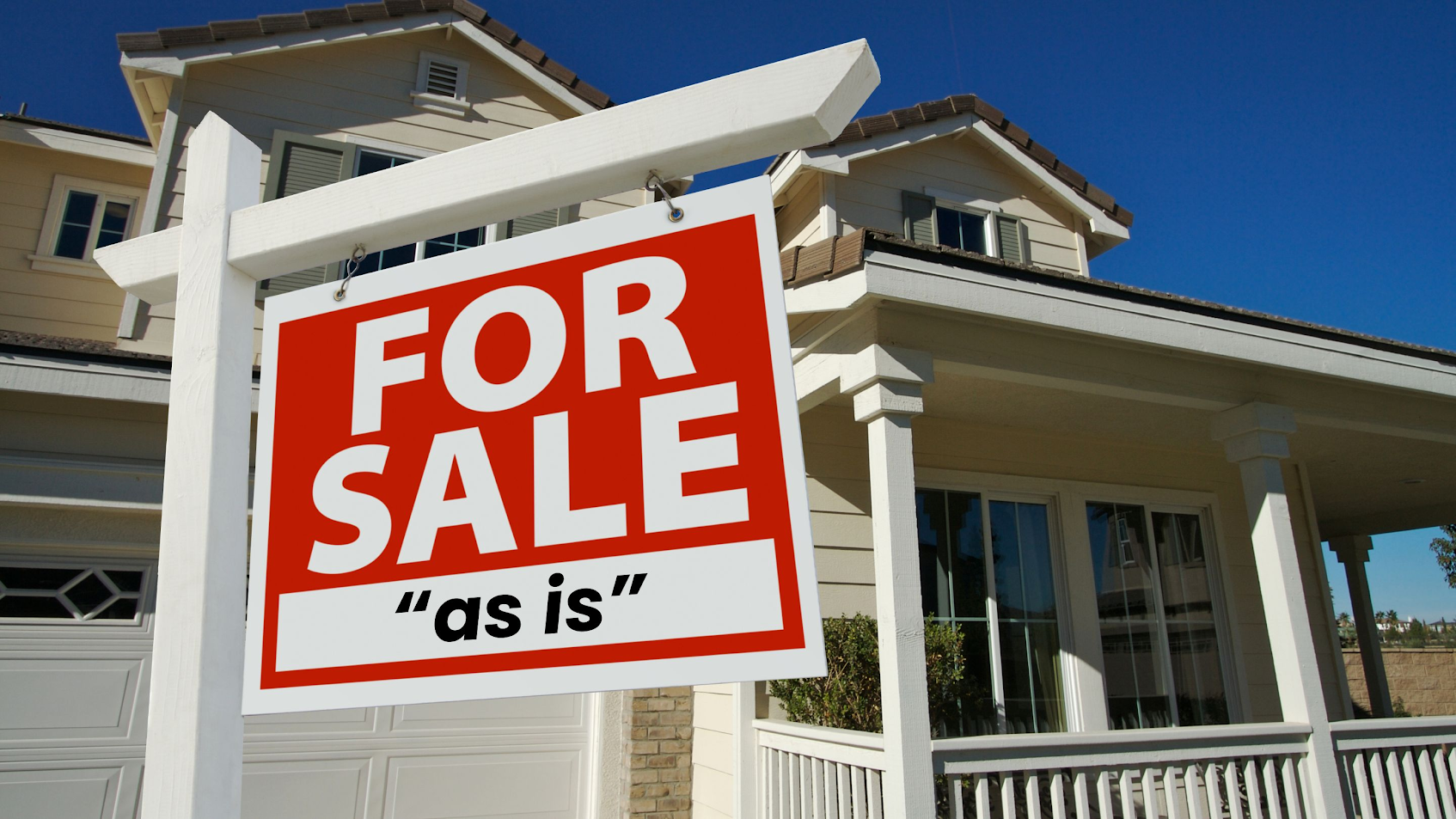
In a balanced market, the condition of your home becomes a massive factor in how fast you sell. Buyers are not just looking at the price anymore. They are factoring in renovation costs, inspection risk, insurance expenses, and how much extra cash they would need after closing to make the property livable or competitive.
No Repair Drama or Inspection Stress
Buyers are negotiating hard for repair credits. Because I am a licensed general contractor, I buy properties exactly as they sit—no cleaning or staging required. That matters in a market where traditional buyers are increasingly cautious and more willing to walk away when the inspection uncovers expensive issues.
👉 Text or Call (415) 415-TWIN to start your assessment.
For many sellers, the value of a cash sale in 2026 is not just the speed. It is the predictability. There is no long chain of uncertainty around lender approval, appraisal issues, repeated buyer requests, or last-minute financing problems. Instead of trying to make a house market-perfect, homeowners can focus on moving forward.
Why an As-Is Sale Is More Strategic Right Now
- Buyers in a balanced market are less forgiving of deferred maintenance.
- Holding costs can erode equity while you wait for the right traditional offer.
- Inspection negotiations are more aggressive when buyers have more options.
- Cash removes many of the risks tied to financing and appraisal delays.
- Sellers can skip repairs, showings, staging, and repeated disruptions.
Why Waiting Can Be More Expensive Than It Looks
Many homeowners delay selling because they hope for slightly better conditions later in the year. But waiting has a cost. Mortgage payments, taxes, insurance, utilities, and maintenance continue whether the property is producing value or not. If the house needs work, the delay can also create more wear, more repair exposure, and more financial drag.
That is especially true for inherited homes, vacant houses, rental properties with issues, or older homes that will not naturally improve with time. In many cases, the real question is not whether the market might be marginally better later. It is whether keeping the house longer improves your situation at all.
Who May Benefit Most in Spring 2026
This kind of market can create opportunity for some sellers and frustration for others. If your home is updated, easy to finance, and in strong showing condition, the traditional route may still work well. But if the property needs work, if time matters, or if you simply want a cleaner exit, a direct sale becomes more attractive.
Inherited homes, older homes, vacant properties, landlord-owned properties with issues, houses with deferred maintenance, and homes that would require significant prep work are often the ones that face the hardest friction in a more normalized market. These sellers may gain more by reducing hassle than by waiting for the perfect buyer to accept every issue.
Sellers dealing with probate, relocation, major repairs, family transitions, or properties that feel like a burden should pay especially close attention to convenience. In this kind of market, convenience is not just emotional relief. It can be a smart financial decision.
What Sellers Should Watch Closely
Sellers should pay close attention to local days on market, price reductions, and how buyers are responding to homes with visible repair needs. If the market is rewarding clean, turnkey inventory and discounting everything else, that tells you a lot about which strategy may protect your bottom line best.
It is also important to look honestly at your own timeline. If you do not want to carry the property for months, if you do not want to spend more on repairs, or if you need certainty around closing, then waiting for the traditional market to solve those problems may not be the strongest move.
Pricing strategy matters more now as well. In a disciplined market, buyers compare harder and hesitate faster. An unrealistic asking price can lead to a stale listing, repeated reductions, and less confidence from future buyers who see the home sitting too long.
What a Strong Selling Strategy Looks Like in 2026
A strong strategy starts with honesty. What condition is the house really in? How much time do you have? How much money do you want to put into preparation? Are you trying to maximize exposure, or are you trying to get to a reliable closing with less hassle?
Once those answers are clear, the right path becomes easier to identify. Some homes should be listed traditionally. Others should be sold directly. The mistake many sellers make is choosing the method that sounds ideal in theory instead of the one that fits the property and situation in reality.
Signs a Direct Sale May Fit Better
- The property needs repairs you do not want to fund.
- You want to avoid repeated showings and open houses.
- You need a more predictable closing timeline.
- You are tired of carrying costs and delay.
- You care more about certainty and simplicity than chasing a perfect retail scenario.
Common Questions About the Spring 2026 Market
What are mortgage rates in the Bay Area right now?
As of February 2026, rates are stabilizing in the low-to-mid 6% range, bringing more buyers back into the market.
Is this still a good time to sell?
Yes, but strategy matters more. Homes are still selling, but sellers need to align the sale method with the property’s condition and the buyer behavior of this market.
Why does selling as-is make more sense in a balanced market?
Because buyers become more selective and often negotiate harder over repairs, credits, and home condition. A direct sale removes much of that friction.
What kinds of homes benefit most from a cash sale?
Homes needing repairs, inherited properties, outdated homes, vacant houses, and sellers who want a faster or more predictable closing often benefit most.
What are buyers paying the most attention to now?
Buyers are focused on condition, total monthly cost, repair risk, insurance expenses, and whether the asking price feels justified against competing inventory.
Why can waiting be risky for sellers with repair-heavy homes?
Because holding costs continue, more inventory can create more competition, and buyers may negotiate even harder if the same repair issues remain later.
Real People. Real Results.
What Our Clients Say
Rafael P.

Stress free process, paid all the closing costs and didn’t have to do any cleaning or repairs. Juan Diaz and team are men of their word. They close faster than any realtor listing ever could.
Robert R.
Juan Diaz and his team deliver on their promises and go above and beyond. Their professionalism, honesty, and hard work are very much respected. I recommend them 100%!
Edgar R.
Called Twin Home Buyer with questions. They listened, offered honest advice, and followed up just like they said they would. Super kind and no pressure. Great people!
