In a Market This Hot, Why Is Your House Still Sitting?
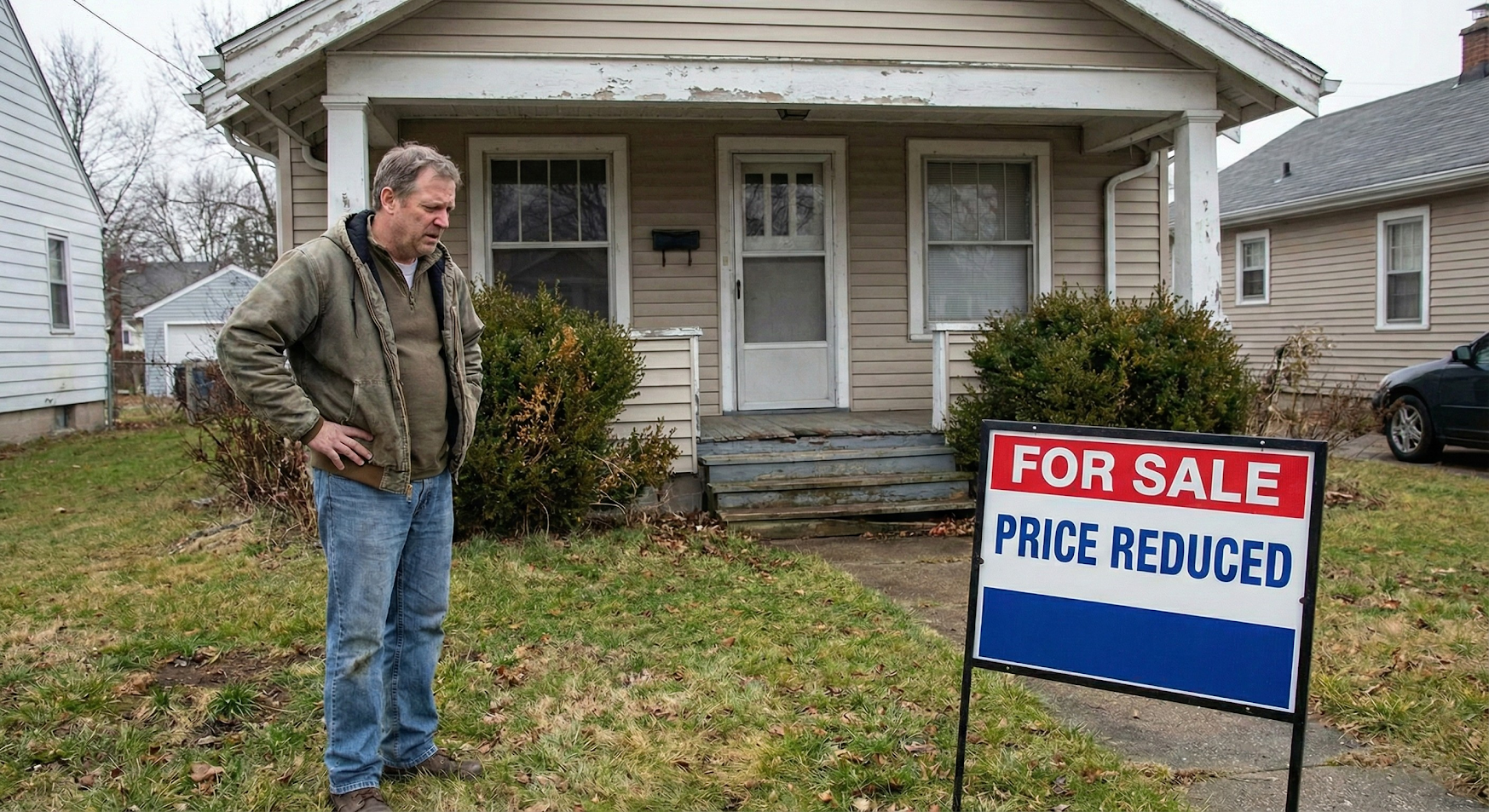
In a market as hot as this, it can feel confusing when one home sparks bidding wars while another sits without the attention the seller expected. One homeowner hears stories about properties selling sight unseen and far above asking price, while another watches their own house sit on the market week after week.
That kind of situation leaves sellers feeling frustrated, discouraged, and often unsure what went wrong. If buyers are lining up at open houses across the Bay Area, why is your property not getting the same traction? Why is there still no contract? Why are the showings slow, the feedback weak, or the offers missing altogether?
The truth is that even in a strong market, not every property sells quickly on its own. Condition, pricing, presentation, strategy, and who you work with all play a major role. If your home is sitting, it usually means one or more parts of the process need to be corrected.
We’re here to help you sell your Bay Area home. Below are practical tips, common mistakes, and real-world advice to help you understand why your house may not be selling and what you can do next.
Why Won’t My House Sell in the Bay Area?
A slow sale does not always mean there is no buyer for your property. Usually, it means something about the process is out of alignment with the market. Maybe the price is too aggressive. Maybe the condition does not match buyer expectations. Maybe the marketing is weak. Or maybe you are working with the wrong kind of help for your situation.
The good news is that most of these issues can be fixed. The key is being honest about what buyers are seeing and how your home compares to the alternatives they are also considering.
1) Get Great Help
Finding the right help can make or break the selling process. Some homeowners work with a novice agent who means well but lacks the experience to price correctly, market effectively, or guide the sale with confidence. Others work with a seasoned investor or direct home buyer who understands how to move quickly and solve problems without delay.
The right choice depends on your house, your timeline, and your priorities. If the property is move-in ready and you want maximum retail exposure, a strong listing agent may be a fit. If the house needs work, the situation is urgent, or you want a simpler process, a direct buyer may be the smarter path.
Do your homework. Ask questions. Compare options. Look at track record, communication style, and how clearly they explain the process. In the end, the right professional should reduce stress, not add to it.
If you’re considering working with an investor, learn more about how we buy homes and how the process works from start to finish.
2) Don’t Make Too Many Improvements
Too often, sellers over-improve properties before putting them on the market. The problem is simple: not everyone has the same taste. What one homeowner sees as a major upgrade, another buyer may see as something they plan to change anyway.
Keep the design clean, simple, and neutral. Declutter the space, remove distracting personal items, and make the home feel more open. But be careful not to overspend on updates that do not truly improve value.
Buyers often like the idea of adding their own personal touches. Leaving some cosmetic room for their vision can actually be a selling point, especially if the property is otherwise clean, functional, and priced properly.
3) Make Necessary Improvements
While over-improving can hurt your return, ignoring important repairs can hurt your sale even more. If there is a leak in the basement, a roof issue, a failing HVAC system, or a major structural problem, buyers will notice — and they will either walk away or use it to demand a significant discount.
Focus on what matters most: foundation, roof, plumbing, electrical, water damage, and major safety concerns. These are the kinds of issues that scare buyers, create inspection problems, and slow down financing.
In many cases, taking care of a necessary repair now costs less than the price cut a buyer will ask for later. If you do not want to make those repairs, that may be a sign that selling as-is to a direct buyer could make more sense.
4) Give the Property a Simple Facelift
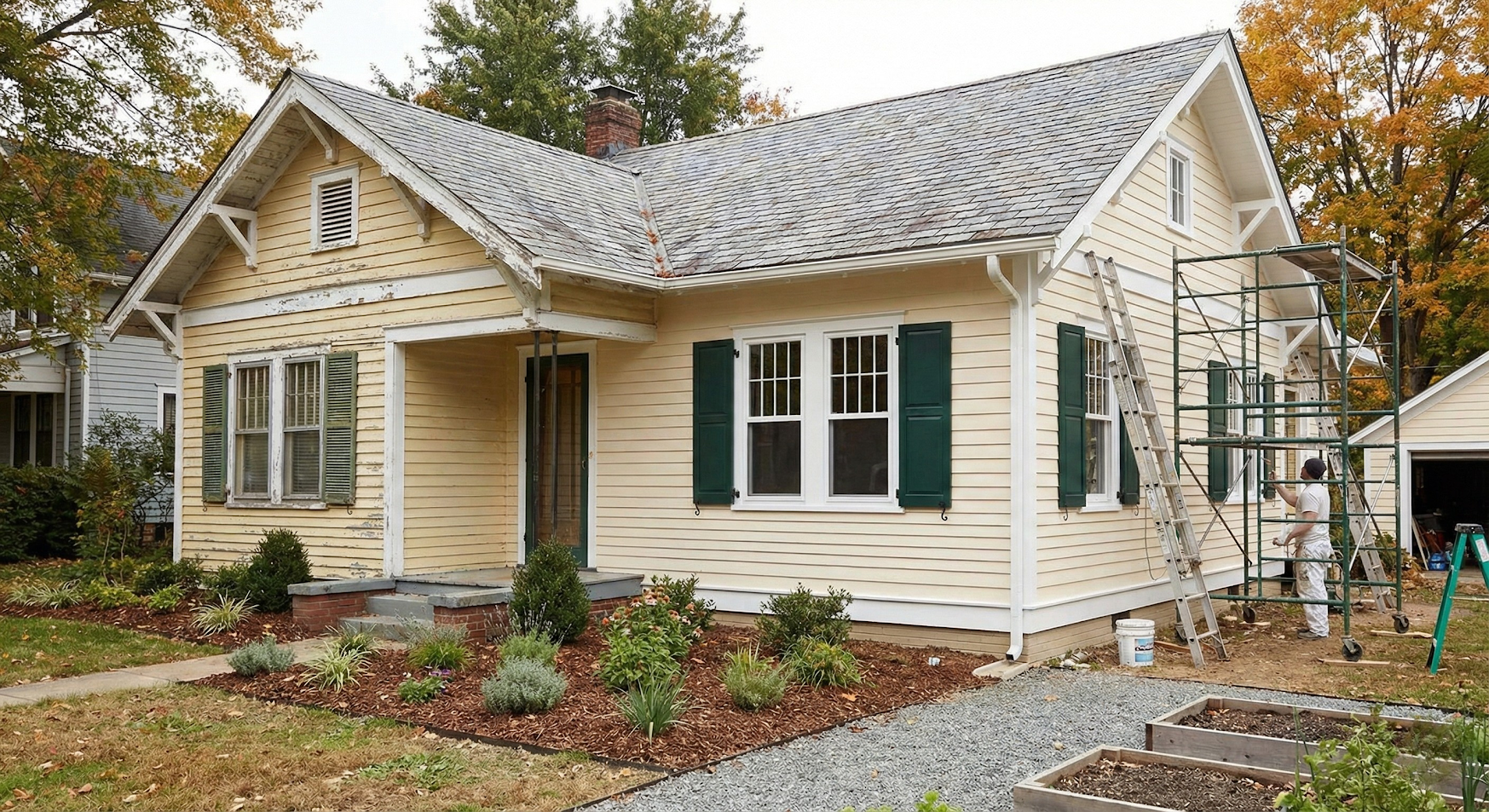
Sometimes a home does not need a major renovation. It just needs a little energy. Fresh paint, better lighting, clean windows, trimmed landscaping, and a more polished overall look can dramatically improve how buyers respond.
Focus on the home as a whole. Do not upgrade one feature and ignore the rest. If the floors look great but the walls are worn out and the front yard feels neglected, buyers will still feel hesitation. Presentation works best when the house feels consistent and cared for from the curb to the back room.
Also remember that cleanliness matters more than many sellers realize. If you are living in the home with kids, pets, or a busy schedule, keeping the house showing-ready at all times can feel nearly impossible. That alone is one reason some sellers avoid listing traditionally and choose a direct home buyer instead.
5) Pricing Matters
Pricing your home correctly is one of the biggest factors in whether it sells quickly or sits. Buyers compare your home to the available competition immediately. If your house is priced well above the local comps without a strong reason, buyers will hesitate or skip it entirely.
Your price should align with the market, the condition of the home, and the average price per square foot in your area. If your marketing is not generating strong traffic, the price may be too high. A house that lingers too long can become stale in buyers’ eyes, which often leads to more price reductions later.
Smart pricing attracts attention. Emotional pricing pushes buyers away. The goal is not just to set a number you like. The goal is to set a number the market responds to.
6) Every Property Will Sell — But the Path Matters
There is a buyer for every property. The real question is what kind of buyer, what kind of timeline, and what kind of process fits your situation best.
Some homes are ideal for the traditional market. Others need repairs, better timing, or a completely different strategy. If your house is hitting a wall, it does not mean the property has no value. It means the current approach may not be the right one.
If you are tired of waiting, tired of cleaning for showings, or tired of wondering whether an offer will actually close, a direct cash offer may be the simpler way forward.
Sometimes the Problem Isn’t the House — It’s the Process
Many homeowners assume the house itself is the problem when it does not sell quickly. In reality, the issue is often the strategy. A home may be priced wrong, presented poorly, marketed weakly, or simply matched with the wrong sales path.
If the property needs work, if keeping it clean for showings is unrealistic, or if the pressure of waiting on buyers is becoming too much, it may be time to step back and consider a more direct solution.
That is where Twin Home Buyer can help. We buy Bay Area houses as-is, which means no repairs, no staging, no open houses, and no waiting around for financing approvals. For sellers who want certainty and a simpler process, that can be a huge relief.
Common Reasons a Bay Area House Sits on the Market
Overpricing
Buyers are highly price-sensitive, even in a strong market. If your home is priced above comparable properties, traffic slows down quickly.
Poor Presentation
Clutter, outdated finishes, weak photos, and inconsistent upkeep can make buyers move on before they ever schedule a showing.
Repair Concerns
Buyers get nervous when they see leaks, structural problems, or visible deferred maintenance. These issues often lead to hesitation or reduced offers.
Wrong Sales Strategy
Not every home is best suited for a traditional listing. Some properties do better with an as-is direct sale, especially when time, repairs, or convenience matter.
Need a Faster Solution?
Twin Home Buyer can close in as little as 7 days, or on a later date you choose. You get a no-obligation cash offer within 24 hours, with no repairs, no showings and 0% agent commission.
If your Bay Area house is not selling, give us a call at (510) 800-1662 and we’ll provide you with a fair cash offer. You can skip repairs, avoid the stress of repeated showings, and move forward with more certainty.
