Selling a Fixer-Upper in the 2026 Bay Area Market
Mortgage rates may feel more stable than before, but buyer behavior has changed. In the Bay Area, more inventory and more cautious buyers are making fixer-uppers much harder to sell through a traditional listing.
This page breaks down exactly what is happening in the Bay Area fixer-upper market in 2026, why traditional listings are creating more risk for sellers with problem properties, and why a cash as-is sale is increasingly the cleaner, faster, and lower-risk path for homeowners who do not want another construction project before they can move on.
If your house needs repairs, cleanup, updating, or major systems work, the biggest challenge is not just finding a buyer. It is finding a buyer who will stay committed after inspections, financing review, and contractor estimates start influencing the deal. That is why many sellers are discovering that certainty matters more than ever in 2026.
The Bay Area housing market has shifted in a meaningful way. The frenzied pace that once allowed sellers to overlook condition issues and still receive multiple strong offers is no longer the baseline. Properties that require work are now evaluated much more critically — by buyers, by lenders, and by appraisers — and that scrutiny creates a longer, more unpredictable path to closing for homeowners who do not have the time or money to address every issue before listing.
The 2026 Fixer-Upper Reality
In today's market, move-in-ready homes still attract attention, but fixer-uppers are under heavier scrutiny. Buyers are reviewing renovation budgets more carefully, comparing monthly ownership costs more closely, and becoming more sensitive to inspection findings than they were in more aggressive seller markets.
That matters because a house needing work no longer benefits from the same automatic urgency it may have seen before. In many Bay Area neighborhoods, homes with outdated kitchens, worn roofs, plumbing issues, foundation concerns, or deferred maintenance are sitting longer and facing stronger negotiation pressure.
Buyers in 2026 are also coming in better prepared. They are getting contractor quotes before submitting offers, consulting with lenders about renovation financing, and walking away more readily when the numbers do not work for their total budget. That behavior is rational — but it puts fixer-upper sellers in a difficult position, especially when the property genuinely needs work that is expensive and hard to scope without a licensed contractor evaluation.
The core market shift: buyers are no longer just evaluating the purchase price. They are calculating repair costs, labor costs, materials, insurance, taxes, and the total stress of taking on a project immediately after closing. For many buyers, a fixer-upper that appears affordable at first glance becomes financially uncomfortable once the full picture is on the table — and that is exactly when deals fall apart.
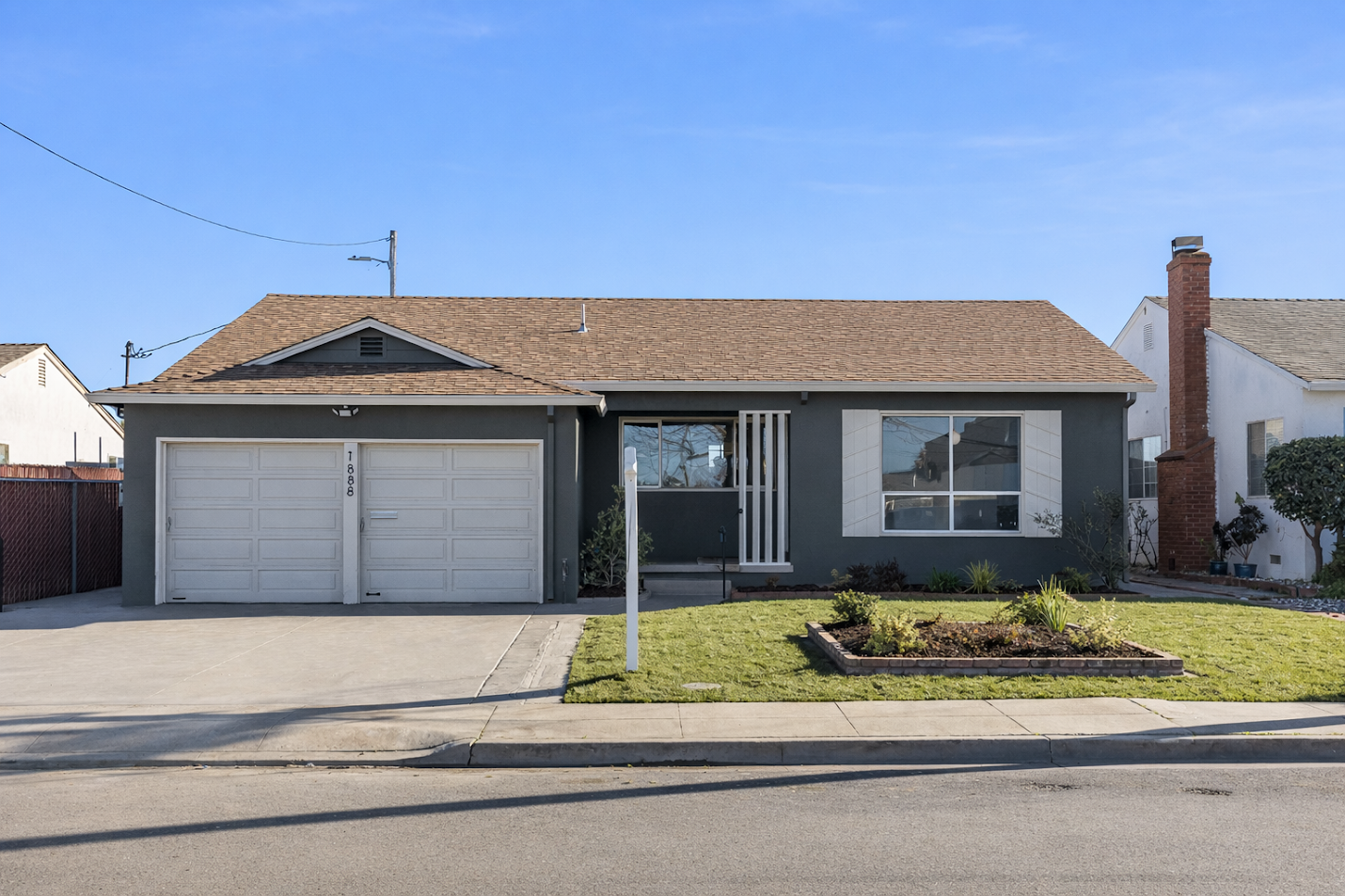
Why Traditional Selling Fails Fixer-Uppers
Traditional buyers often look at a fixer-upper and immediately discount the value in their head. Even if they like the location, they may mentally subtract tens of thousands of dollars for repairs, then push even harder after the inspection report comes back. That can lead to lower appraisals, repair credits, delayed escrow, or a contract that falls apart entirely.
For sellers, this creates a frustrating cycle. You prepare the property, clean it, coordinate showings, wait for offers, negotiate terms, and then still face the risk that the buyer will come back asking for major concessions. By the time that happens, you may already have lost weeks or months.
There is also a compounding cost problem. Every week the property sits on the market, the seller continues paying property taxes, insurance, utilities, and any outstanding mortgage. For a house that needs work, those holding costs add up quickly — especially when the timeline stretches out because buyer after buyer gets nervous about the repair scope. What looks like a negotiation problem is often really a carrying cost problem that grows with every delay.
The Stress of a Traditional Listing
Cleaning, staging, and opening a house that needs work can feel exhausting and discouraging. Many sellers invest time and money into presentation, only to hear buyers focus on everything that is wrong with the property. Add financing delays and repair negotiations, and the process becomes even more unpredictable.
Beyond the emotional toll, there is a real financial risk in investing in listing preparation for a property that may not close cleanly. Sellers who spend money on cleaning, minor repairs, and staging can find themselves absorbing those costs with nothing to show for it if the buyer walks after inspections — or if the lender's appraiser comes in below the agreed price because of deferred maintenance the seller did not fully address.
Why Buyers Get Nervous About Homes Needing Work
In 2026, buyers are much more realistic about the true cost of renovation. Contractors are expensive. Materials are expensive. Timelines are longer than many buyers expect. Even cosmetic updates can snowball into plumbing, electrical, roofing, or permit-related issues once work begins. That uncertainty makes many traditional buyers hesitate or over-negotiate.
For fixer-upper sellers, this means the main risk is not just a lower offer. It is wasted time. A weak buyer can tie up the property, chip away at the price, and then leave the seller starting over after momentum is gone.
Renovation loan financing adds another layer of complexity. Buyers using FHA 203(k) loans or other rehab financing products face longer approval timelines, stricter appraiser requirements, and more documentation than a standard purchase. That means even a motivated, well-qualified buyer interested in a fixer-upper may take significantly longer to close — and may face unexpected obstacles at the lender level that have nothing to do with the seller's situation or the property's actual value.
The Cash As-Is Advantage
In a cooler and more selective market, certainty becomes one of the most valuable parts of any offer. A cash as-is sale can remove lender approval risk, reduce appraisal problems, eliminate most repair demands, and give the seller a much clearer timeline from the beginning.
This is often the better fit for owners who do not want to spend more money on a house that already feels like a burden. Instead of fixing the property for the market, they can sell it in its current condition and move forward without adding another construction project to their life.
Cash purchases also move on the seller's timeline, not the lender's. There are no underwriting windows, no appraisal scheduling delays, and no last-minute loan condition requests that push back the closing date. From the moment an offer is accepted, both parties are working toward a close — not waiting on a third party to approve the transaction.
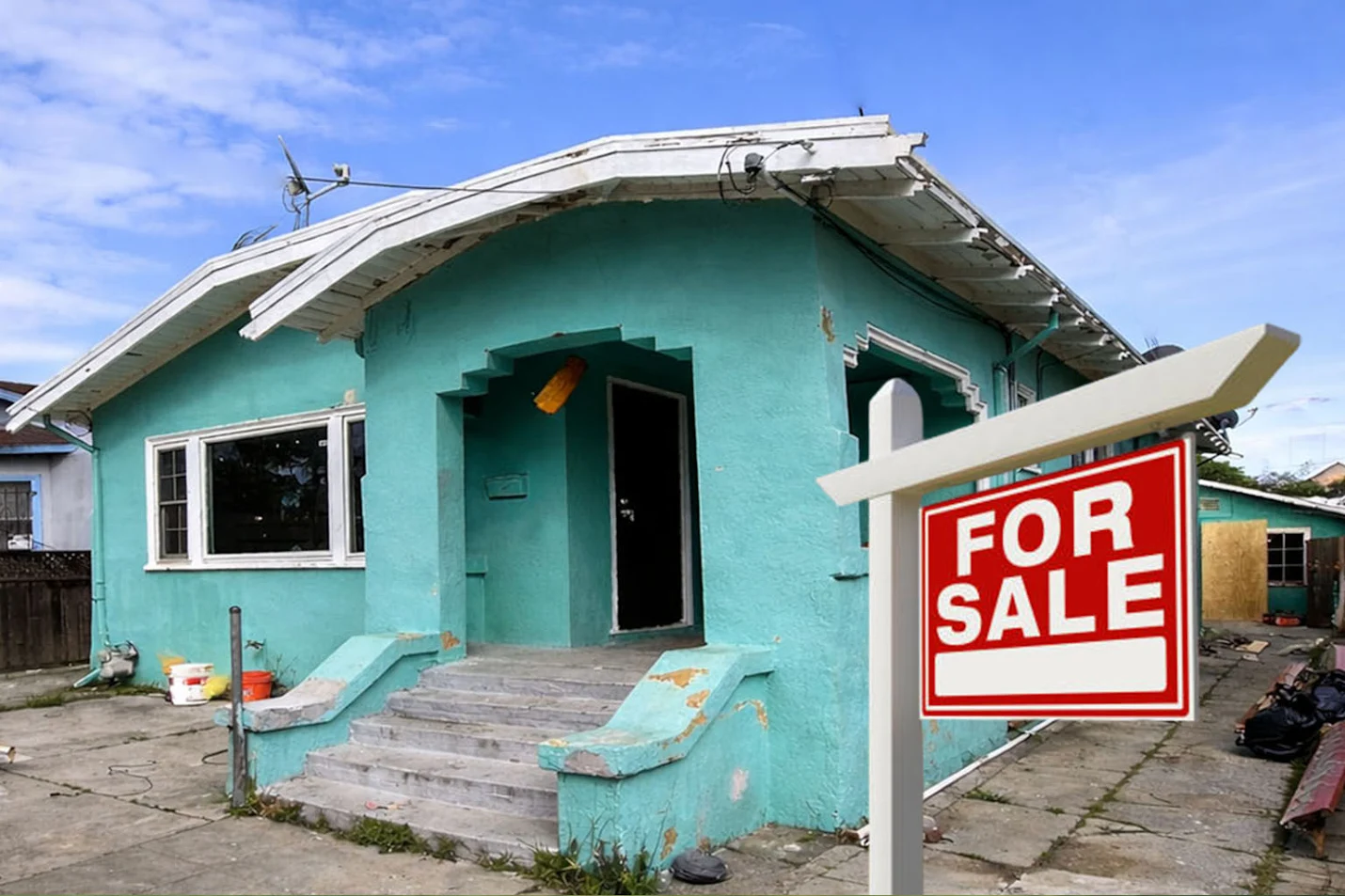
No Repairs or Cleaning Required
As a licensed general contractor and plumber, I evaluate properties based on actual repair costs instead of guesswork. That matters because many outside buyers overreact to visible issues or build in a large fear margin when making offers. When repairs can be understood realistically, it becomes easier to create a fairer as-is solution for the seller.
That kind of evaluation also helps simplify the process. Sellers do not have to coordinate painters, roofers, plumbers, landscapers, or junk removal just to make the house market-ready. They can skip the prep and focus on closing.
This is especially important for inherited properties and hoarder homes, where the cost and effort of just clearing the property can reach tens of thousands of dollars before any actual repair work even begins. When you are not required to clean or prep the house — and the offer already accounts for condition — you eliminate an entire phase of the process that most sellers dread and most traditional agents require before they will even take the listing.
When Selling As-Is Makes the Most Sense
An as-is sale is often the best fit when the home needs major repairs, the owner is facing a tight timeline, the property is inherited, the house is tenant-occupied, or the seller simply does not want to deal with the cost and disruption of renovation. It can also make sense when the emotional or financial burden of continuing to hold the house is already too high.
For many Bay Area homeowners, the right question is not "Could I maybe get a little more after months of work?" The better question is "What would it cost me in time, stress, risk, and cash to try?" Once sellers look at the whole picture, the value of certainty becomes much clearer.
Sellers dealing with life transitions — divorce, probate, job relocation, illness, or a move to assisted living — often cannot afford to wait three to six months for a traditional sale to work through its full cycle. An as-is cash sale compresses that timeline to days or weeks, which can make a significant difference in the seller's ability to manage whatever is driving the need to sell in the first place.
What Fixer-Upper Sellers Should Compare
Before committing to a traditional listing, it is worth putting real numbers on both paths. The comparison is rarely as simple as "more money with an agent vs. less with a cash buyer." The full calculation has to include time, holding costs, repair costs, agent commissions, closing costs, and the very real risk that the deal does not close at all.
- How much would repairs, cleanup, and listing prep actually cost out of pocket?
- How long could the listing, escrow, and financing process realistically take?
- What happens to the seller's net proceeds if the buyer renegotiates after inspections?
- How much are monthly holding costs draining while the property sits unsold?
- What is the risk that financing falls through and the seller starts over from zero?
- Would a direct as-is sale solve the problem faster, with less money out of pocket, and with more certainty?
When sellers run this comparison with honest numbers, the gap between a traditional sale and a cash as-is offer often becomes much smaller than expected — and in many cases, the as-is path actually results in a better net outcome once all the costs and risks are accounted for.
Frequently Asked Questions
Why are fixer-uppers harder to sell in 2026?
Buyers are more cautious about renovation costs, financing timelines, inspection findings, and total monthly affordability than they were in hotter markets. Properties needing work now face longer listing periods, heavier negotiation pressure, and more deal fallouts than move-in-ready homes. That creates a meaningful disadvantage for sellers who do not have the resources or desire to fix the property before listing.
Do I need to repair the house before selling?
No. Many sellers choose to sell as-is specifically to avoid sinking more money into a property that already needs major work. A cash as-is sale means no repairs, no cleaning, no staging, and no contractor coordination before closing. The offer is made based on the property's current condition, and the seller keeps the money they would have spent on pre-sale preparation.
Why can cash be better for a fixer-upper?
A cash offer removes lender approval risk, eliminates appraisal requirements, reduces the chance of last-minute renegotiation, and gives the seller a clear and controllable closing timeline. There is no financing contingency to expire, no underwriter to satisfy, and no third-party appraisal that can derail the deal at the last moment. For sellers who need certainty more than they need a longer, higher-risk process, cash is almost always the cleaner path.
Clarity and Fairness for Your Home
Stop the repair stress, skip the commissions, and get a fair cash offer based on real 2026 Bay Area market conditions and decades of local construction experience. There is no obligation to accept, no pressure to move faster than your timeline requires, and no guesswork involved in how the offer is calculated. Just a real number from a licensed local expert who understands exactly what your house needs and what it is worth as-is in today's market.
Get My Cash Offer →Real People. Real Results.
What Our Clients Say
Rafael P.

Stress free process, paid all the closing costs and didn’t have to do any cleaning or repairs. Juan Diaz and team are men of their word. They close faster than any realtor listing ever could.
Robert R.
Juan Diaz and his team deliver on their promises and go above and beyond. Their professionalism, honesty, and hard work are very much respected. I recommend them 100%!
Edgar R.
Called Twin Home Buyer with questions. They listened, offered honest advice, and followed up just like they said they would. Super kind and no pressure. Great people!
Jose J.
Awesome to deal with. They let me know upfront if it wasn't the right match and even recommended a great realtor. This company genuinely cares about homeowners.
