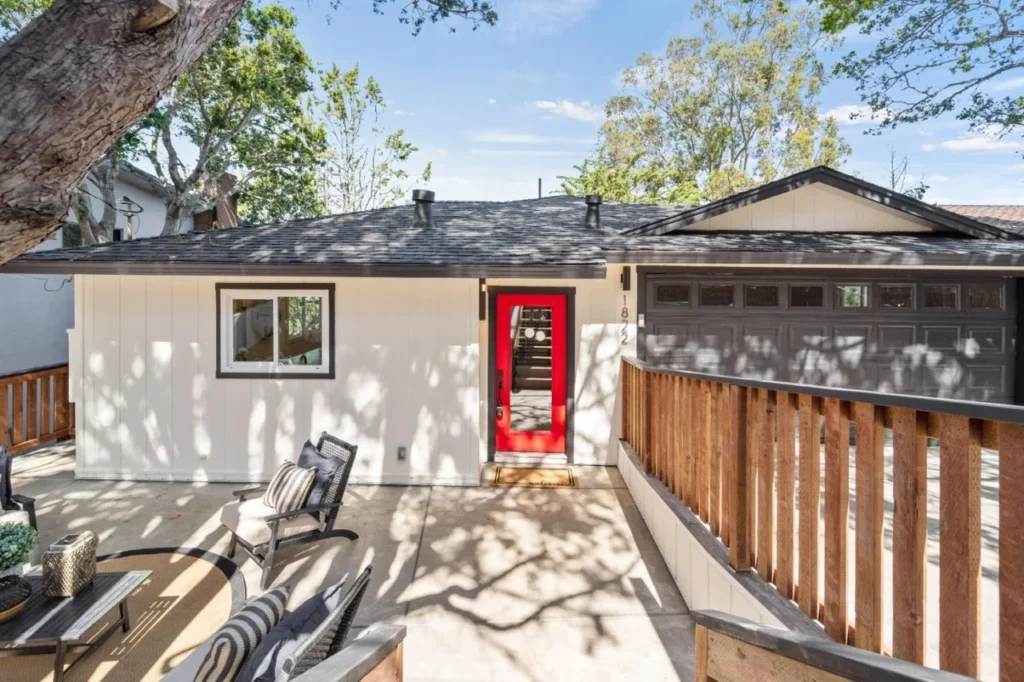
Want clarity on how location affects your home’s value?
Get a no-pressure overview of your options — even if you’re just comparing paths.
Why Location Can Override Renovations
Renovations can improve a home’s appeal and help it stand out, but location still sets the ceiling on what buyers are willing to pay. A remodeled kitchen or updated finishes can increase interest, but they rarely overcome concerns tied to the land or surroundings.
Some location issues can’t be repaired or negotiated away — things like nearby contamination, flood exposure, poor water conditions, or persistent noise. When buyers notice these factors, they often discount the home because the risk and inconvenience remain even after upgrades.
What “Location” Really Means (Beyond the Neighborhood)
When most people think about location, they focus on schools, commute time, safety, and nearby amenities. Those factors matter, but they don’t fully explain why two similar homes can sell for very different prices — even in the same area.
Deeper “location” is about what comes with the land itself: environmental conditions, infrastructure impacts, and long-term risks that don’t show up in listing photos. Buyers are evaluating not just the home, but the livability and future downside of the property — which is why factors like hazardous sites, water concerns, and noise can quietly shape value.
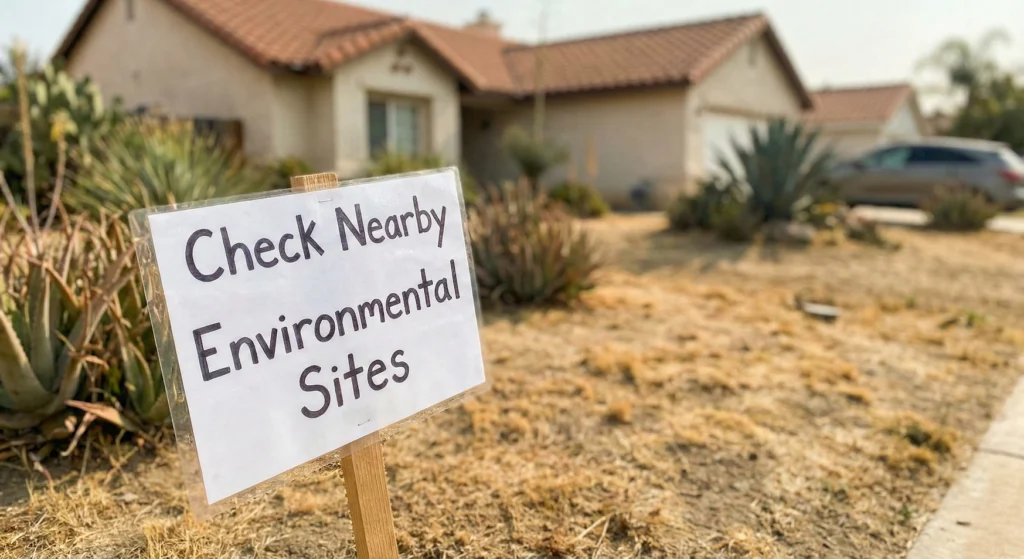
3 Land Factors That Can Lower Value Permanently
Where a permanent land issue caps what a retail buyer will pay, a direct sale avoids the discovery cycle entirely: Twin Home Buyer has purchased more than 1,000 homes as-is and can close in as little as 7 days.
Some problems are “fixed” by renovations — but land-related risks aren’t. These issues can reduce buyer demand, trigger lender concerns, and lead to lower offers even when the home is upgraded.
1) Hazardous Waste and Contaminated Sites
Hazard risk refers to nearby contamination, cleanup activity, underground tanks, or past industrial use that affects how buyers and lenders view a property. Even if the home is renovated, proximity to a tracked site can lower value because it adds uncertainty and long-term stigma.
Quick Research Checklist
-
Search state and federal cleanup databases (Superfund + state registry)
-
Review local planning/environmental records for past commercial use
-
Scan disclosures for prior remediation or environmental flags
2) Water Quality and Watersheds
Water affects both daily livability and long-term risk, which is why buyers pay attention to quality, reliability, and drainage conditions. Even when a home is renovated, concerns about tap water, contamination history, or flood exposure can affect pricing because they’re tied to the land and infrastructure.
Quick Research Checklist
-
Review your local water district’s annual water quality report
-
Check state monitoring sites for advisories and contamination records
-
Use floodplain and drainage maps to understand storm and flood exposure
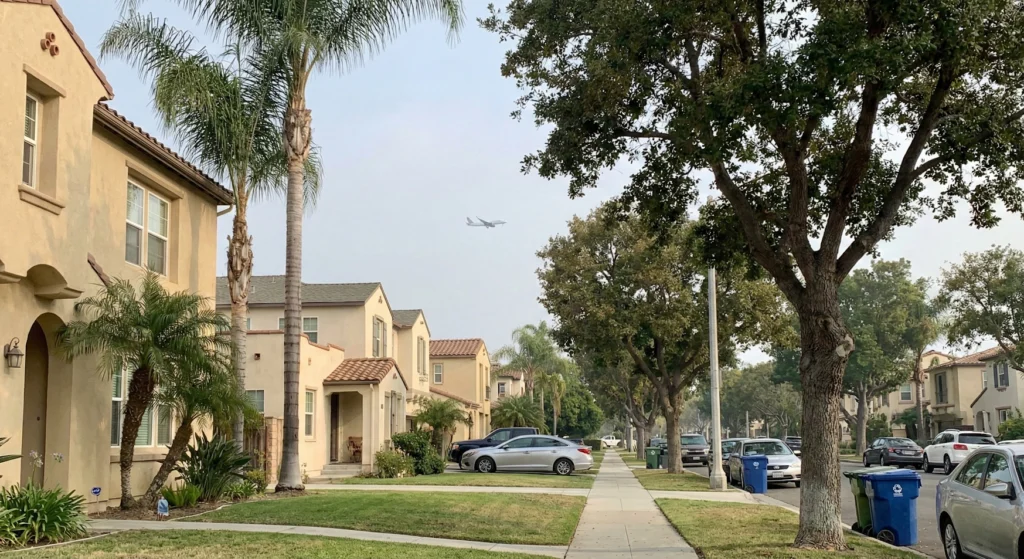
3) Noise Pollution (Highways, Trains, Airports)
Noise is one of the fastest ways to reduce buyer interest because it affects day-to-day comfort. Persistent traffic, train, or aircraft noise can be a dealbreaker — and it can’t be “renovated away.”
Quick Research Checklist
-
Visit at multiple times (morning, evening, weekend)
-
Check transportation noise maps and flight paths
-
Compare the home to nearby comps with similar noise exposure
How to Research These Risks Yourself
You don’t need specialized tools to get a clear picture of location risk — most of the data is public.
-
Look up the address in state and federal cleanup databases
-
Review local water quality reports and advisories
-
Check floodplain, drainage, and sea-level exposure maps
-
Use noise maps and multiple visits to understand real-world sound patterns
-
Compare what you find to comparable sales to estimate how buyers will react
Final Takeaway: You Can Fix a House, Not the Land
Upgrades can increase appeal, but land and location realities still set the ceiling on value. Contamination risk, water issues, and persistent noise don’t disappear with renovations — and buyers typically price them in.
The most practical approach is to research these risks early so you know what you’re working with before you buy, renovate, or sell.
Because you can improve a house — but you can’t move the property.
