Protecting Your Sale, Time, and Peace of Mind
Do not let a weak cash buyer back out late or force a last-minute price cut after your timeline gets tight and your options get smaller.
This guide explains why some cash buyers back out, why others try to renegotiate after the contract is signed, and what sellers can do to protect their leverage before they lose valuable time. A real cash buyer should bring clarity, speed, and confidence to the process. A weak buyer usually brings delays, vague promises, and new problems right when the seller needs certainty most.
That difference matters more than many homeowners realize. When a seller chooses the wrong buyer, they do not just risk inconvenience. They may lose momentum, miss relocation or purchase deadlines, keep paying taxes and utilities longer than expected, or end up accepting a lower number simply because the timeline has become too tight to start over.
In the Bay Area, the cost of a failed deal can be especially high. Carrying costs, property taxes, insurance, utility bills, cleanup, and maintenance do not pause just because a buyer stalls. Sellers who understand the warning signs early are in a much stronger position to protect equity and avoid being pushed into a bad decision later.
Why Would a Cash Home Buyer Back Out?
A real cash buyer closes quickly because the funds are ready and the decision process is clear. But not every cash buyer is actually prepared to close. Some middlemen sign contracts before they have capital lined up. Others hope to assign the contract to another investor. Some make aggressive offers first and only start figuring out the real deal structure after the seller is already emotionally committed.
When that happens, the contract may look solid on the surface but fall apart later because the buyer never had the authority, money, or intention to close exactly as promised. This is one of the biggest reasons sellers need to understand who they are actually dealing with before signing anything.
Some buyers also rely on seller fatigue. They know that once the seller has packed, canceled other conversations, or started planning around a closing date, the deal feels harder to replace. That is when a weak buyer may delay, ask for more time, reduce the price, or disappear altogether. The issue is not just dishonesty. It is lack of real commitment backed by real funding and clear contract terms.
Get a Funded Offer Today
Work with a buyer who understands the Bay Area, communicates clearly, and offers a predictable closing without repairs, showings, or last-minute games.
Call 415-415-TWIN6 Warning Signs of a Weak Offer
Most problem deals show warning signs early. The issue is that sellers often do not know what to look for until the buyer starts changing terms. These are some of the most common red flags that suggest the offer may not be as strong as it looks.
1. No Proof of Funds
If the buyer cannot quickly provide proof of funds, or if the name on the bank statement does not match the contract buyer, that is a serious warning sign. A real buyer should be able to document their ability to close.
2. Assignment Clauses
Middlemen often use assignment language so they can shop your contract to someone else. If they cannot find a partner or end buyer, your deal may collapse even though you already stopped talking to other buyers.
3. The Late Price Drop
The classic bait-and-switch starts with a high offer and ends with a lower number right before closing. At that point, the seller feels pressured because time is short and starting over feels costly.
4. Vague Contingencies
If the contract gives the buyer broad room to cancel for unclear reasons, the offer may not be as firm as it sounds. Weak contracts often hide risk in the fine print.
5. Tiny or Missing Earnest Money
A serious buyer usually puts meaningful earnest money into escrow. When the deposit is tiny, delayed, or never actually deposited, the seller is carrying most of the risk.
6. No Local Track Record
Bay Area properties can come with title questions, condition issues, tenant problems, and neighborhood-specific valuation challenges. A buyer without local experience may struggle once real details appear.
Why Sellers Lose Leverage So Fast
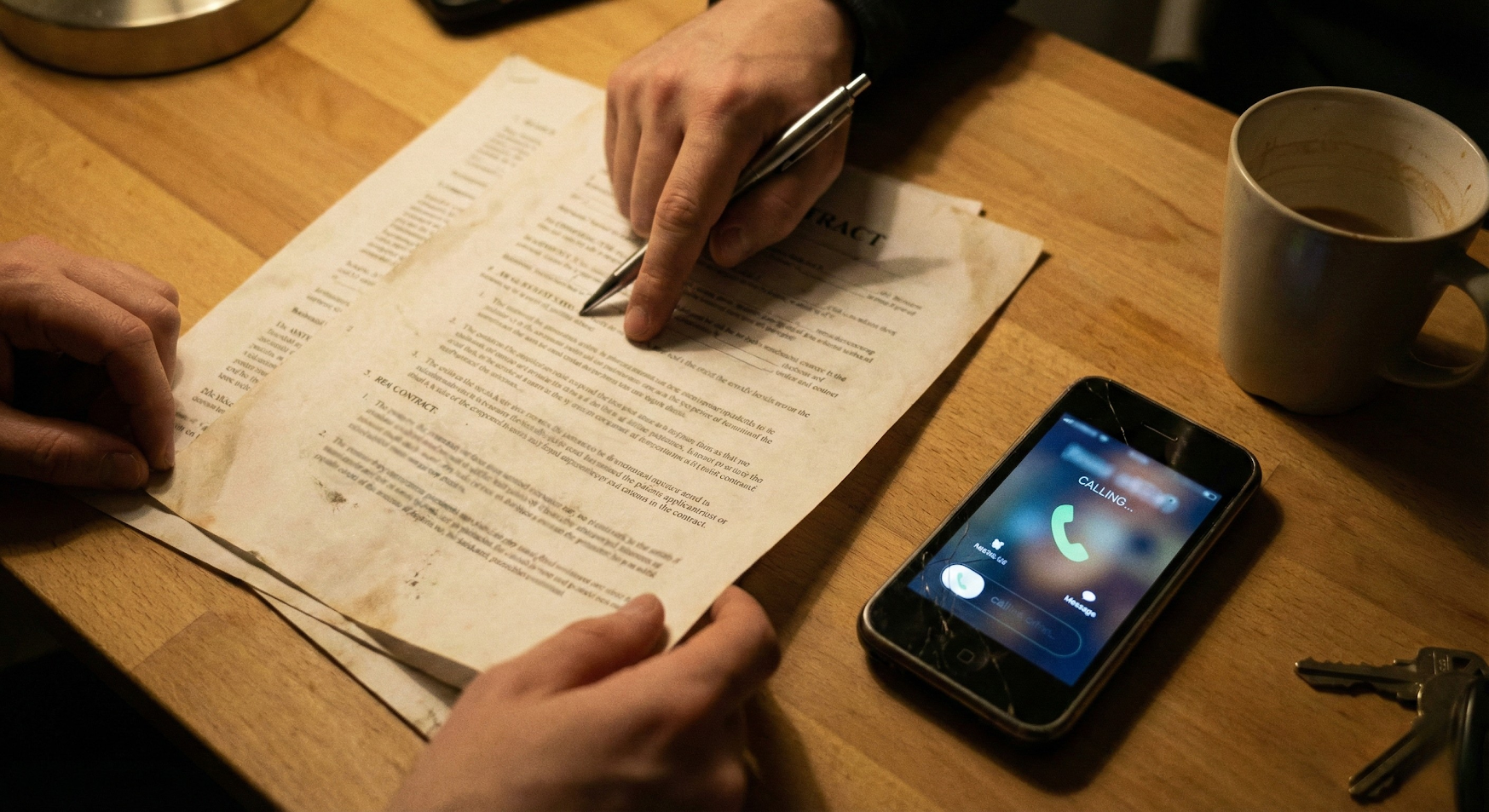
The biggest damage often happens after the contract is already signed. Once a seller tells other buyers no, stops marketing the property, or starts planning around the closing date, the deal becomes psychologically and financially harder to restart. That gives a weak buyer more leverage to delay, renegotiate, or disappear.
This is why strong contract terms matter. Sellers should not assume that a cash offer is automatically safe just because it sounds simpler than a financed sale. Simplicity only helps when the buyer is actually equipped to perform.
Many homeowners also underestimate how quickly urgency can shift the balance of power. A delayed closing can affect moving trucks, family schedules, job relocations, probate plans, loan payoffs, and even the next home purchase. Once those pressures build, a seller may feel forced to accept changes they would have rejected at the start. Protecting leverage means setting firm expectations before the contract is signed, not after problems appear.
What Strong Cash Buyers Usually Do Differently
A serious buyer is usually easy to identify once you know what to watch for. They communicate clearly, show proof of funds without drama, explain their process in plain language, deposit earnest money on time, and keep the contract terms tight and understandable. They do not need to hide behind confusing paperwork or pressure tactics.
Strong buyers also tend to respect the seller’s timeline. Instead of creating uncertainty, they help the seller understand what happens next, what title or access items are needed, and what could realistically affect closing. That kind of transparency matters because it allows the seller to make decisions from a position of information instead of fear.
- Clear communication from the start
- Proof of funds that matches the contract buyer
- Earnest money deposited on time
- Minimal and clearly explained contingencies
- Real local experience with Bay Area properties
- A process that feels straightforward instead of evasive
The Ultimate Seller Checklist
- ✅ Proof of funds verified and matched to the contract buyer
- ✅ Hard earnest money deposit placed in escrow on time
- ✅ No vague subject to partner or broad escape clauses
- ✅ Clear closing timeline with realistic next steps
- ✅ Buyer has real Bay Area experience and can explain the process clearly
- ✅ Seller understands exactly who is buying the property and how they plan to close
How to Protect Your Time and Equity
If you are reviewing a cash offer, the goal is not just to compare numbers. It is to compare certainty. Ask direct questions. Verify the funding. Read the cancellation language carefully. Confirm the deposit. Find out whether the buyer is purchasing directly or trying to assign the deal. A strong buyer should welcome those questions instead of getting defensive or vague.
Sellers who take those steps usually avoid the most expensive mistakes. They preserve leverage, keep control of the process, and reduce the odds of being cornered into accepting a worse outcome later.
You should also ask who will actually sign, who will wire the funds, whether the buyer has closed similar properties locally, and what title issues or access issues could delay the timeline. These questions are not aggressive. They are responsible. A real buyer should answer them directly and confidently.
Common Situations Where Sellers Need Extra Caution
Some sales create more pressure than others. Inherited homes, probate properties, repair-heavy houses, vacant homes, landlord situations, and time-sensitive relocations often make sellers more vulnerable to buyer games because the owner already wants speed and simplicity. That does not mean sellers should distrust everyone. It means they should be even more careful about who they trust.
When a property has title questions, deferred maintenance, or complicated family logistics, the wrong buyer can waste weeks and leave the seller in a worse position than before. The right buyer, on the other hand, can help reduce stress by giving a direct path forward with fewer surprises.
Frequently Asked Questions
Can a cash buyer really back out?
Yes. If the contract allows it or the buyer was never truly prepared to close, they can cancel or stall late in the process and create major delays for the seller.
Why do buyers lower the price later?
Some buyers rely on pressure. They wait until the seller has invested time and stopped exploring other options, then reduce the offer and hope the seller accepts out of urgency.
What is the safest way to compare offers?
Look at funding, earnest money, contingencies, local experience, and communication quality, not just the highest number written at the start.
What is proof of funds and why does it matter?
Proof of funds shows whether the buyer actually has access to money to close. It helps sellers separate serious buyers from buyers who are still trying to line up partners or future financing.
What should I look for in a cash buyer contract?
Look for clear contingencies, meaningful earnest money, realistic deadlines, and language that does not give the buyer broad freedom to cancel or assign the contract without consequences.
Real People. Real Results.
What Our Clients Say
Rafael P.

Stress free process, paid all the closing costs and didn’t have to do any cleaning or repairs. Juan Diaz and team are men of their word.
Robert R.
Juan Diaz and his team deliver on their promises and go above and beyond. Their professionalism and honesty are respected.
Edgar R.
Called Twin Home Buyer with questions. They listened, offered honest advice, and followed up just like they said they would.
Jose J.
Awesome to deal with. They let me know upfront if it wasn't the right match and even recommended a great realtor.
