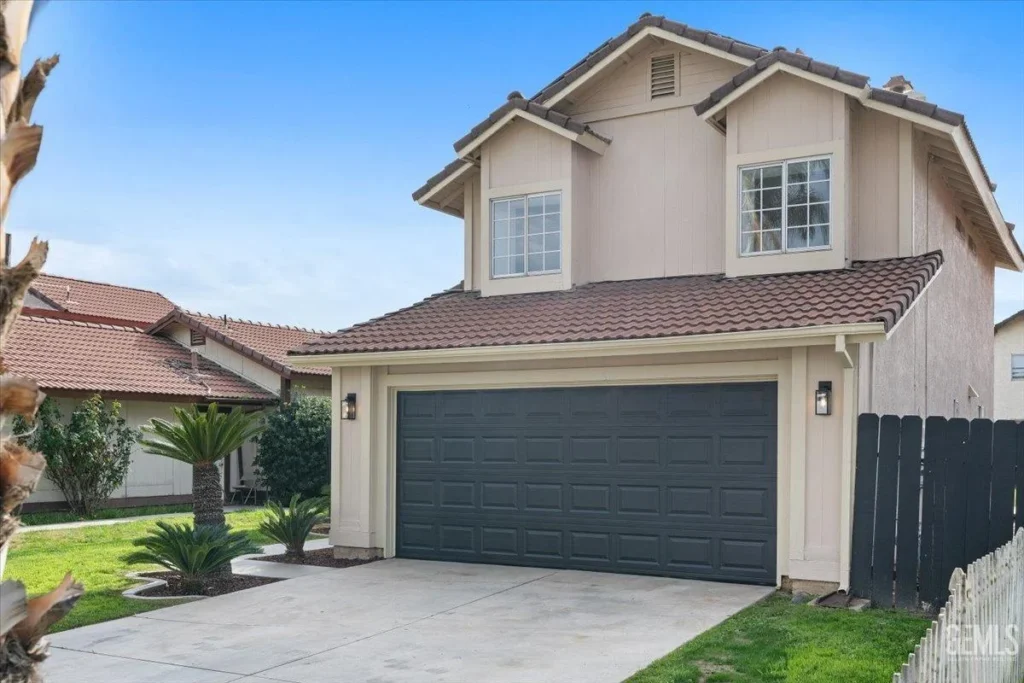
When homeowners ask how to know they’re getting a good price, what they’re really asking is whether an offer is fair — or if they’re leaving money on the table. Pricing a home isn’t just about the highest number; it’s about how buyers evaluate value, risk, and alternatives. An offer can look strong on paper and still miss the mark if it ignores condition, market context, or timing. This guide breaks down how pricing actually works, what signals indicate a solid offer, and how to judge your options with clarity instead of guesswork.
Want help evaluating whether an offer truly makes sense?
Get a clear, no-pressure look at pricing, terms, and your options.
What “A Good Price” Really Means to Buyers
Buyers don’t evaluate a home in isolation. Every offer is made in comparison to other available options — similar homes, similar prices, and similar conditions.
A “good price” is one that feels aligned with what buyers believe they could reasonably get elsewhere for the same cost. That judgment is shaped by more than the number alone.
Condition plays a role. A home that appears move-in ready or low-risk often supports a higher price. Homes that need work, updates, or carry uncertainty tend to be evaluated more conservatively.
Risk matters just as much as price. Buyers factor in inspection outcomes, financing hurdles, and the likelihood that a deal will actually close. An offer with fewer risks can feel stronger than a higher number paired with uncertainty.
This is why the highest offer isn’t always the best one. Price, terms, and certainty work together to define real value — not the headline number by itself.
Why Pricing Your Home Correctly Matters
Correct pricing helps a home attract the right level of attention early. When a price aligns with buyer expectations and comparable options, it encourages showings, focused interest, and smoother conversations around terms.
When pricing is misaligned, buyer behavior changes. Overpricing can lead buyers to skip the home or wait for adjustments, while underpricing may generate activity without reflecting true value. In both cases, pricing affects momentum and how confidently buyers engage.
How Buyers and Appraisers Determine Value
Buyers and appraisers both evaluate value, but they do so in different ways and for different reasons. Understanding this distinction helps explain why pricing and offers don’t always align perfectly.
From a buyer’s perspective, value is shaped by comparison. Buyers look at similar homes, weigh condition and location, and decide whether the price makes sense relative to other available options.
Appraisers follow a structured process. Their role is to support the lender by assessing value based on recent comparable sales, documented features, and standardized criteria — not buyer emotion or negotiation dynamics.
Key Factors That Influence Your Home’s Price
Comparable Sales (“Comps”)
Comparable sales, or “comps,” are recently sold homes similar in size, layout, location, and condition. They provide a real-world reference for what buyers have actually paid.
Because comps reflect completed transactions, they anchor pricing decisions more reliably than asking prices or online estimates. Buyers, agents, and appraisers rely on sold data to judge alignment with the market.
Property Condition
Condition influences how buyers interpret value and set expectations. Homes in similar condition tend to be compared against one another, creating different pricing benchmarks.
Condition also affects perceived risk. Buyers factor in time, effort, and uncertainty related to repairs or updates, which influences how they assess value.
Market Conditions
Market conditions shape buyer behavior by influencing supply, demand, and competition. When options are limited, buyers may move faster; when options increase, they often become more selective.
These conditions affect perception rather than a home’s inherent value. The property doesn’t change — the environment around it does.
Negotiation Dynamics
Negotiation dynamics influence how price is interpreted once offers are made. Terms like contingencies, timelines, and conditions affect buyer and seller confidence.
Because offers involve more than price alone, two offers with the same number can represent very different levels of certainty or risk.
Common Pricing Mistakes That Create Doubt
Most pricing mistakes aren’t caused by poor judgment — they come from understandable assumptions that don’t match how buyers evaluate value.
One common mistake is relying on asking prices instead of sold data. Active listings show what sellers hope to get, while closed sales show what buyers actually paid. Pricing decisions based on listings alone often miss market reality.
Another issue is pricing emotionally. Homes carry personal meaning, but buyers focus on condition, risk, and alternatives. When expectations are shaped by attachment rather than comparables, offers can feel disappointing even when they’re fair.
Some sellers overcorrect after time on market. Repeated price changes can signal uncertainty and weaken buyer confidence, making it harder to evaluate true value.
Finally, focusing only on price while ignoring terms can distort decision-making. Two offers with the same number can lead to very different outcomes depending on contingencies, timelines, and likelihood of closing.
Recognizing these patterns helps reduce second-guessing and allows pricing decisions to be made more clearly and confidently.

How to Evaluate an Offer With Confidence
Compare net proceeds, not headline price. Selling direct to Twin Home Buyer means 0% agent commission and standard seller closing costs paid, with a cash offer within 24 hours.
Evaluating an offer becomes much easier when you step back from the headline price and look at the full picture. A confident decision is usually based on context, not instinct.
Price in context means comparing the offer to recent sold data, the home’s condition, and realistic alternatives — not just expectations or online estimates. An offer that aligns with what similar homes actually sold for is often stronger than it initially feels.
Terms and contingencies matter because they affect how smoothly the sale may progress. Inspection conditions, financing requirements, and timelines all introduce variables that can delay or derail a transaction.
Likelihood of closing is often overlooked, but it’s critical. An offer supported by clear terms, fewer contingencies, and a straightforward path to closing can reduce risk and uncertainty — even if the number isn’t the highest.
Looking at all three together helps remove second-guessing. Instead of asking whether an offer feels good, the better question becomes whether it makes sense given your priorities and situation.
When Speed or Certainty Changes the Equation
There are situations where price isn’t the only priority. How and when a sale closes can matter just as much.
Tight timelines or deadlines may shift focus toward predictability.
Financial or logistical pressure can make simplicity and resolution more valuable.
A desire to reduce risk or uncertainty may lead sellers to weigh certainty alongside price.
Knowing You’re Getting a Good Price Comes From Clarity, Not Guesswork
Once you understand how pricing works — how buyers evaluate value, how offers differ, and how terms affect outcomes — the decision often becomes clearer.
You don’t need to rush or second-guess yourself. A “good price” is one that aligns with your goals, reflects market reality, and fits your tolerance for risk and timing.
With the right context, you can evaluate offers calmly and choose the path that makes the most sense for your situation.
Talk with a local home buyer
Get a clear, no-pressure look at pricing, terms, and your options.
