How to Spot Termite Damage and Protect Your Home
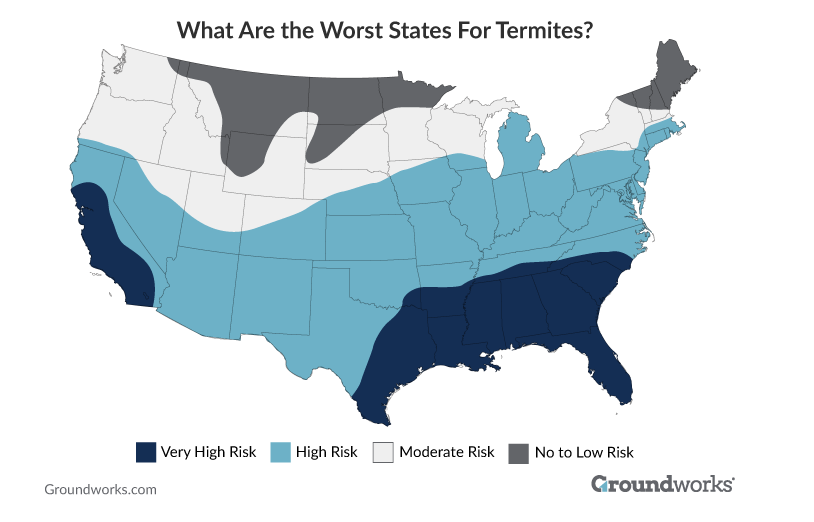
Termite colonies silently invade homes, causing significant damage before you even realize it. In California, termites are especially dangerous because the warm climate allows these pests to stay active throughout the year. That makes homes in places like San Mateo and the Bay Area especially vulnerable to hidden structural damage.
If you are planning to sell or buy a home in the San Mateo or Bay Area, understanding how termites can affect property value is crucial. A termite issue can reduce buyer confidence, trigger repair demands, delay a sale, or lead to major costs if it goes undetected for too long.
In this guide, we will walk through how to spot signs of termite damage, how to tell termites apart from other insects, and what steps homeowners can take to reduce risk. Whether you are preparing to sell, actively buying, or simply protecting your property, early awareness matters.

Termite Damage by the Numbers: Why Early Detection Matters
Termites are not a minor issue. They are one of the most expensive pest-related threats homeowners face. Because they often eat wood from the inside out, serious damage can build over time before the problem becomes obvious.
- Over $6 billion in damage is caused each year in the United States
- Average repair costs often range from $3,300 to $10,000
- Some colonies can consume a 2x4 in just a few months
- California ranks among the most active states for termites due to climate conditions
- Homes in California face ongoing risk year-round
That ongoing exposure is what makes prevention and routine inspections so important. If termite damage is discovered late, repair costs can rise quickly and create major issues during a home sale or purchase.
Signs of Termite Infestation in San Mateo Homes
The sooner you detect a termite infestation, the less damage it can do to your home’s structure and value. Many of the warning signs are subtle at first, which is why homeowners often miss them until the issue becomes more serious.
Swarming Termites
Swarming typically happens in spring or early summer when flying termites emerge from soil or wood. If you see winged insects indoors or notice piles of discarded wings near windows, doors, or light sources, that can be a strong sign of activity.
Swarming does not always mean the damage is severe, but it does mean termites may already be nearby and trying to establish or expand a colony.
Mud Tubes
Subterranean termites build mud tubes along walls, foundations, piers, or crawl spaces so they can travel safely while staying moist and protected. These pencil-thin tunnels are one of the clearest visible signs of active infestation.
If you see mud tubes, do not ignore them. They often indicate live termite movement between the soil and the home.
Hollow or Damaged Wood
Wood that sounds hollow when tapped or breaks easily may have been eaten from the inside. This kind of damage can show up around baseboards, trim, window frames, door frames, subfloors, or exposed structural lumber.
Blistering paint, buckling floors, and soft wood can also suggest termite activity, especially when no obvious water issue explains the damage.
Frass (Termite Droppings)
Drywood termites leave behind tiny pellet-shaped droppings called frass. These often appear near windowsills, baseboards, trim, or damaged wood and can look like small piles of sand or pepper.
If you notice these pellets repeatedly appearing in the same area, that is a strong sign that termites may be active inside nearby wood.
Tight-Fitting Doors or Windows
Termites can cause wooden frames to warp as they feed through them. If doors or windows suddenly become harder to open and close, and the issue is not clearly tied to humidity or settling, termite damage could be part of the problem.
Soft Drywall or Bubbling Paint
Hidden termite activity can sometimes create symptoms that look like moisture damage. Bubbling paint, sagging surfaces, or drywall that feels thin or soft may deserve closer inspection, especially if other termite signs are present nearby.
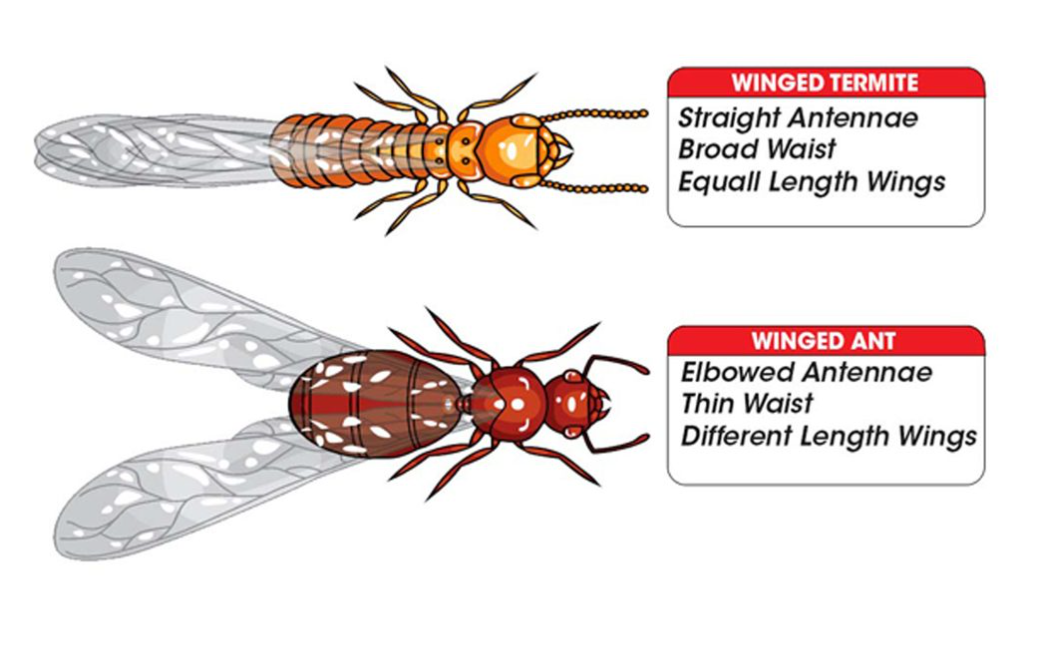
How to Spot the Difference Between Termites and Ants
If you see flying insects around your home, it is important to know whether you are dealing with termites or ants. Many homeowners confuse the two, especially during swarming season, but there are a few easy differences to look for.
- Ants: Bent antennae
- Termites: Straight antennae
- Ants: Shorter rear wings
- Termites: Four equal-length wings
- Ants: Thin bodies with a noticeable waist
- Termites: Thick, rectangular bodies with little waist definition
Correct identification matters because treatment plans are different. If you are unsure what you are seeing, taking a clear photo and having it reviewed by a professional is often the safest next step.
Common Signs of Termite Damage
Termites often damage a home slowly and quietly. Because they typically eat from the inside out, the worst damage may be hidden behind walls, under floors, or inside framing. That is why surface-level appearances can be misleading.
Common warning signs include mud tubes, piles of frass, damaged window or door frames, blistering paint, sagging materials, weakened trim, and wood that sounds hollow or breaks easily. If more than one of these signs appears together, the risk of active infestation becomes much higher.
How to Prevent Termites in Your San Mateo Home
Preventing termite infestations is much easier than dealing with structural repairs after damage has already spread. While no home is completely risk-free, consistent upkeep can lower the chances of a serious infestation.
- Inspect regularly for visible signs of termite activity
- Fix leaky faucets and unclog gutters to reduce moisture
- Improve ventilation in crawl spaces and damp areas
- Use dehumidifiers when needed in moisture-prone spaces
- Remove wood debris, stumps, or scrap lumber near the home
- Avoid over-mulching against the foundation
- Keep soil and landscaping from covering wood siding or framing
Moisture control is especially important because damp conditions make it easier for termites to survive and spread. Homes with poor drainage, leaking pipes, or heavy moisture near the foundation tend to face higher risk.
Why Regular Inspections Matter
Early detection is one of the biggest advantages a homeowner can have. Regular inspections help identify termite activity before it turns into major structural damage or a costly surprise during escrow.
In higher-risk areas, inspections should generally happen at least annually and sometimes more often depending on history, moisture conditions, and the age of the property.
Why Buyers Should Pay Attention
Buyers should never overlook termite concerns during due diligence. Even if the home looks clean and well-kept, hidden damage may still exist. A proper inspection helps buyers understand risk, expected repairs, and whether price adjustments are warranted.
Why Sellers Should Act Early
Sellers benefit from identifying termite issues before listing whenever possible. Knowing the condition of the home helps avoid last-minute renegotiations, inspection surprises, and buyer hesitation that can slow down or derail a sale.
Why Call a Professional?
If you notice any signs of termites, do not wait too long to act. A licensed professional can identify the type of termite, determine where the infestation is active, and assess how much damage may already be present. That level of evaluation is difficult to match with a DIY approach.
DIY treatments often miss hidden colonies or fail to address the real source of the problem. That can allow termites to continue spreading behind the scenes, which creates more damage over time and can make later repairs much more expensive.
Professional inspections are especially important if you are preparing to buy or sell a home. A clear understanding of the issue helps buyers make informed decisions and helps sellers avoid confusion or major renegotiation during closing.
How Termite Damage Affects Home Value
Termite damage can affect a property in several ways. First, there is the direct repair cost. Second, there is the buyer perception issue. Even moderate termite history can make some buyers nervous, especially if documentation is weak or the damage appears unresolved.
In a sale, untreated termite issues may lead to lower offers, repair demands, escrow delays, or buyer withdrawals. In more serious cases, structural concerns can affect financing or require additional specialist review. That is why early action matters so much for homeowners who want to protect value.
The more proactive you are, the more options you usually have. Waiting until visible damage becomes severe often reduces flexibility and increases cost.
Common Questions About Termite Damage
Can termite damage be hidden?
Yes. Termites often eat wood from the inside out, so major damage can exist before the surface looks obviously affected.
Are California homes at higher risk?
Yes. California’s climate supports year-round termite activity in many areas, which makes ongoing prevention and inspections especially important.
Can termites affect a home sale?
Absolutely. Termite issues can reduce buyer confidence, trigger repair negotiations, and sometimes delay or complicate closing.
Should I inspect for termites before listing my home?
In many cases, yes. Identifying issues early can help you prepare, avoid surprises, and make smarter decisions before buyers start inspecting the property.
What should I do if I see mud tubes or frass?
Those are strong warning signs of termite activity. The safest next step is to schedule a professional inspection rather than waiting to see if the problem gets worse.
Need Help? Call Twin Home Buyer About Termite Damage
If you notice signs of termite damage, act fast to prevent further destruction. Whether you are preparing to sell, trying to understand how the damage affects value, or simply want clarity about your options, we are here to help.
Call us today at (510) 800-1662 for guidance and learn more about selling a home in San Mateo with potential termite damage.
