Why Bay Area Home Sales Fall Through
A failed escrow can feel like starting over, but it doesn’t have to. Here’s why deals collapse, what happens next, and how to move forward with more certainty.
Watch: Learn why Bay Area home sales fall through and how to avoid costly delays.
Talk with a Local Bay Area Home Buyer
Get clear, no-pressure insight on your options, even if you’re just comparing paths. We help homeowners navigate failed sales every week.
Explore My OptionsHow Often Do Home Sales Fall Through?
In the high-stakes Bay Area market, deals fall apart regularly due to aggressive pricing, large loan amounts, and the simple fact that many pending deals still carry major contingencies. Pending does not mean sold.
Many sellers assume the hard part is over once the home goes under contract. In reality, the period between accepted offer and closing is often where the most fragile parts of the transaction show up. Financing is reviewed again, appraisals are finalized, inspections create new negotiation points, and buyer confidence can weaken if the timeline drags on.
That is why sellers should think beyond the headline offer price. The strength of the buyer, the contract structure, and the escrow timeline often matter just as much as the initial number on page one.
In Bay Area real estate, even a strong-looking offer can still carry real risk if the buyer is stretched on affordability or the home presents condition issues that become more serious during due diligence. Sellers who understand this early are better prepared to protect their leverage and avoid surprises.
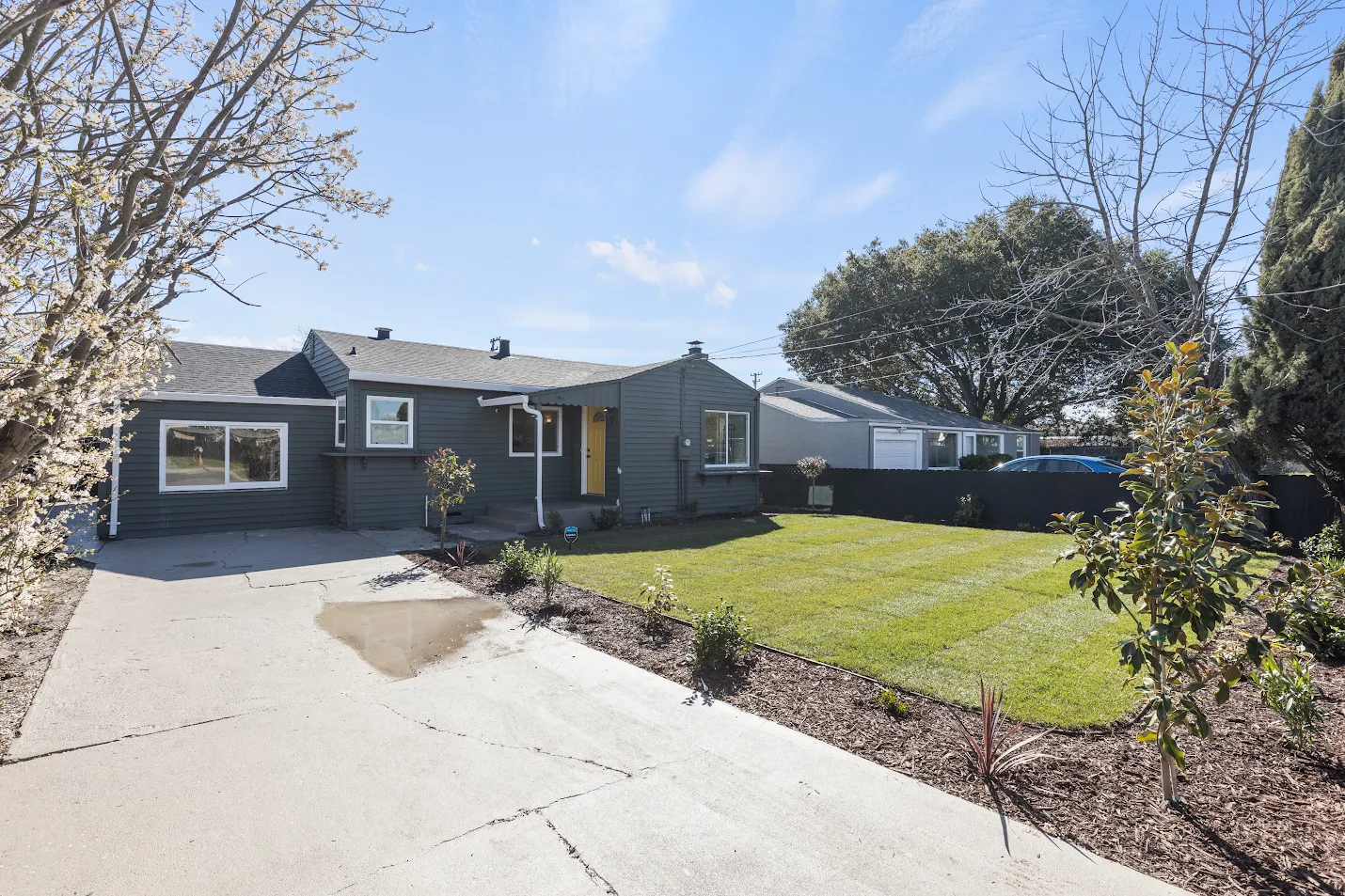
The 5 Most Common Reasons for Failed Escrow
Understanding these risks helps you vet buyers more effectively before signing a contract.
- Buyer financing: Lenders may uncover credit drops, employment changes, or new debt during the final stage of the loan process.
- Low appraisals: If the appraisal comes in below the contract price, the deal can stall or collapse fast unless the buyer brings in more cash or the seller reduces the price.
- Inspection disputes: Unexpected repair demands, especially for foundation, roof, plumbing, or pest issues, can kill momentum and shift leverage quickly.
- Buyer’s remorse: Market uncertainty or personal hesitation can push buyers to use contingencies to back out.
- Timeline fatigue: Longer escrows create more time for something to go wrong, and the longer a deal drags, the more likely either side starts rethinking the transaction.
These failure points matter because most of them do not appear at the beginning of the deal. They show up later, after the seller has already stopped marketing the property, mentally moved on, and started planning around the expected closing date. That delay is what makes failed escrow so frustrating for homeowners.
Why Bay Area Deals Can Feel More Fragile
Bay Area sales often involve higher prices, tighter affordability, and more emotional decision-making than many other markets. A small financing issue can become a big problem when monthly payments are already stretched. Likewise, appraisal gaps become more serious when buyers are pushing to stay in a neighborhood they love but the numbers no longer support the contract price.
Some homes also come with older systems, deferred maintenance, permit questions, or disclosure items that create extra hesitation after inspections. Even a motivated buyer can start to wobble if the transaction begins to feel more expensive or complicated than expected.
In competitive markets, buyers sometimes write aggressively just to get accepted, then try to renegotiate once the home is off the market. That can leave sellers feeling trapped between giving ground or starting over. Understanding that pattern helps sellers judge buyer strength more clearly before accepting an offer.
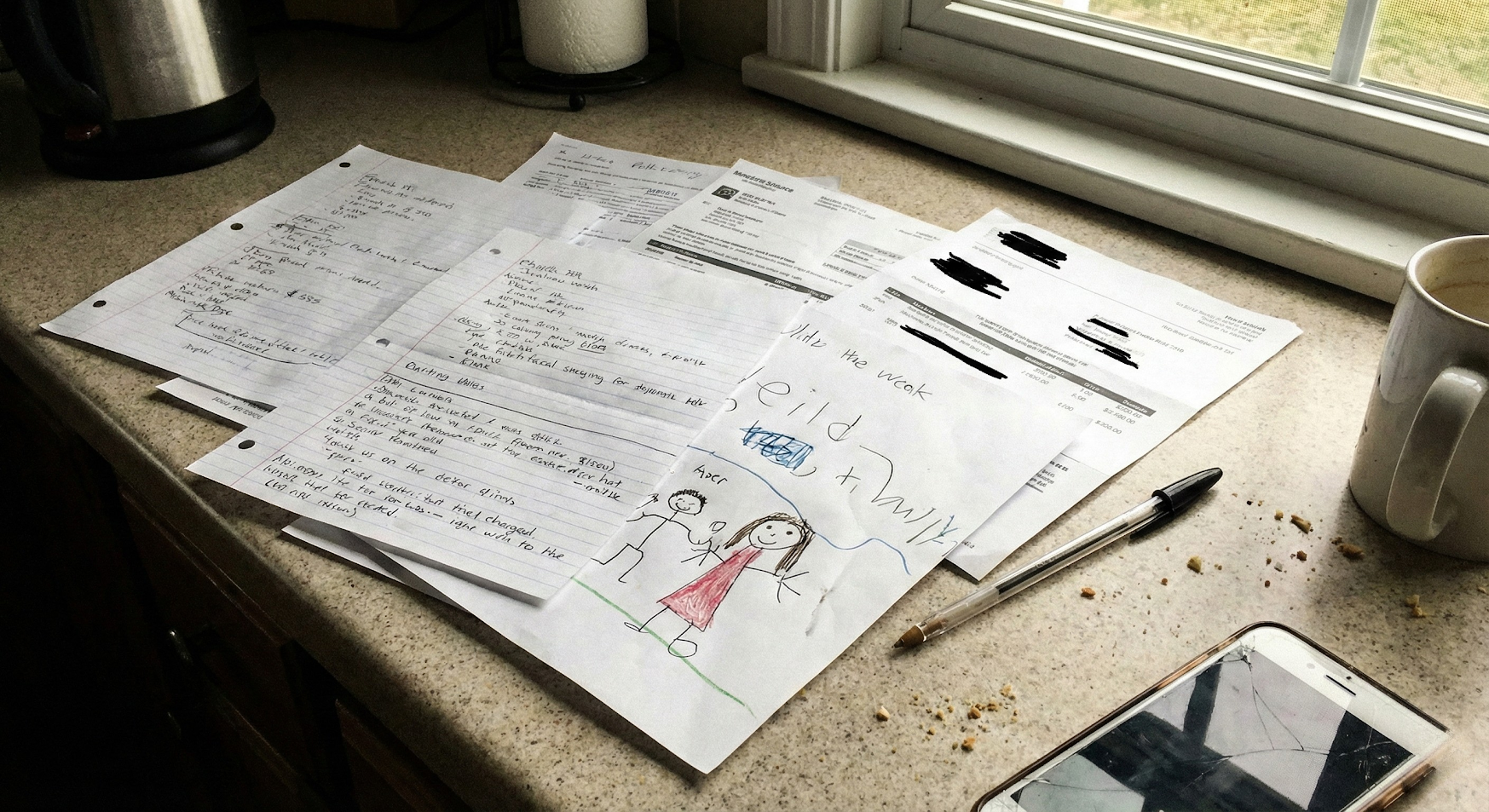
What Happens After a Sale Fails?
When escrow fails, your listing usually returns to active status. Even if the house itself has not changed, buyer perception often does. Many new buyers assume there is a hidden issue, which can make the next round harder.
That does not mean the property lost its actual physical value overnight. It means trust can drop. Buyers may wonder whether financing failed because the numbers were too aggressive, whether inspections uncovered a problem, or whether something about the house scared the last buyer away.
The longer a seller waits to control that narrative, the more likely the market starts making assumptions. This is one reason why having a clear backup strategy matters so much after a failed contract.
In some cases, relaunching the property quickly with better positioning can help restore confidence. In other cases, sellers need to reset expectations, adjust price, clarify disclosures, or simply choose a more dependable path. The best next move depends on why the deal failed in the first place.
How Failed Escrow Can Affect Seller Leverage
One failed sale can create more pressure than many homeowners expect. Sellers may already have moving plans, a replacement property lined up, or financial deadlines approaching. Once a deal dies, the seller often feels urgency that buyers can sense.
That urgency can make the next negotiation feel weaker unless the seller resets the process carefully. Clear pricing, strong communication, and a more dependable buyer profile usually matter more the second time around.
In many cases, the second deal is shaped by the first one. If the home comes back to market without a clear explanation, buyers may assume the worst. If the seller looks rushed, aggressive buyers may push for concessions. Protecting leverage after a failed sale is often about controlling the story, resetting expectations, and reducing the same risks that caused the original contract to die.
What Sellers Should Review Before Going Back to Market
Before relisting, it helps to diagnose the real cause of the failed deal. Was the buyer underqualified? Did the appraisal miss the contract price by too much? Did inspections uncover a repair problem that needs to be addressed or explained better? The smartest next move depends on what actually happened, not just how frustrating the experience felt.
Sellers should also review whether the original timeline was too long, whether the pricing strategy invited appraisal trouble, and whether disclosures or property condition created avoidable uncertainty. Sometimes the house is fine and the buyer was weak. Other times the failed sale reveals a problem that needs a different strategy to solve.
It can also help to review how the property was presented from the start. Were the disclosures complete? Was the pricing realistic for current buyer demand? Did the accepted offer come from the strongest buyer or just the highest number? These questions matter because the next contract should ideally fix the weaknesses of the first one.
What Sellers Should Evaluate Before Choosing a Next Step
Before relisting, ask what actually caused the deal to fail. Was it the buyer’s loan? Was it the inspection? Was the price too aggressive for the appraisal? The right response depends on the real reason the escrow collapsed, not just the frustration of having to start over.
If the problem was the buyer, the home may still be well-positioned. If the problem was financing, pricing, condition, or disclosure concerns, a seller may need a different strategy and a more reliable buyer profile next time.
How Sellers Can Reduce the Risk of Another Failed Sale
One of the best ways to reduce fallout risk is to look harder at buyer quality before accepting the offer. Strong proof of funds, lender communication, realistic timelines, limited contingencies, and a buyer who understands the property condition all matter. Sellers should not focus only on the headline number if a weaker buyer profile could put the entire deal at risk later.
It also helps to address major questions before the next buyer raises them. If there were inspection issues, sellers can decide whether to repair them, price around them, or explain them more clearly. If appraisal pressure was the problem, a more grounded pricing strategy may create a smoother second escrow. When sellers solve the real problem instead of just relisting quickly, they usually create a more stable next deal.
Why Financing and Appraisal Risk Matter So Much
Two of the most common reasons home sales fall through are financing and appraisal problems. These issues can hit even after the buyer seems committed, because lender approval is not fully complete until late in the process. A change in debt, documentation, employment, or loan terms can suddenly weaken the buyer’s position.
Appraisals create another layer of uncertainty, especially in higher-priced Bay Area neighborhoods. If the property does not appraise at the contract price, the buyer may ask for a reduction, try to renegotiate, or leave altogether. That is why some sellers decide that certainty matters more than chasing the strongest financed offer on paper.
Strategic Options for Homeowners
If your sale just collapsed, you still have several practical ways to protect your equity and move forward.
- Relist and start over: Best if the failure was tied to one buyer and demand in your area is still strong.
- Wait for a better window: Best if you do not have urgent time or financial pressure.
- Secure a cash offer: Best if you want more certainty and want to remove financing and appraisal risk.
Each path has tradeoffs. Relisting may bring a stronger offer, but it can also mean repeating the same delays and risks if the property or buyer pool has not changed. Waiting may make sense for some homeowners, but it does not help if the seller is carrying expenses, managing repairs, or dealing with a life transition that needs a solution now. A direct cash path is not always the answer, but it can be worth comparing when predictability becomes more important than one more attempt at the open market.
When a Cash Option Changes the Equation
For some homeowners, the biggest lesson from a failed escrow is not about price. It is about certainty. A financed offer can look stronger at first and still collapse late. A direct cash offer may not be the right fit for every seller, but it can remove two of the most common reasons deals fall apart: financing and appraisal risk.
This matters most for sellers who are already dealing with a move, probate, repairs, inherited property, tenant issues, or financial deadlines. When the next step needs to be predictable, a more straightforward closing path can be worth comparing before repeating the same cycle again.
A cash option can also help sellers avoid the emotional exhaustion of starting escrow again with another buyer who may or may not close. When the first deal has already fallen apart, many homeowners care just as much about reliability as they do about squeezing for the highest possible contract price.
When Certainty Matters More Than “One More Try”
If you are tired of renegotiations and uncertainty, comparing a backup cash option can give you clarity and peace of mind.

Real People. Real Results.
What Our Clients Say
Rafael P.

Stress free process, paid all the closing costs and didn’t have to do any cleaning or repairs. Juan Diaz and team are men of their word. They close faster than any realtor listing ever could.
Robert R.
Juan Diaz and his team deliver on their promises and go above and beyond. Their professionalism, honesty, and hard work are very much respected. I recommend them 100%!
Edgar R.
Called Twin Home Buyer with questions. They listened, offered honest advice, and followed up just like they said they would. Super kind and no pressure. Great people!
Jose J.
Awesome to deal with. They let me know upfront if it wasn't the right match and even recommended a great realtor. This company genuinely cares about homeowners.
