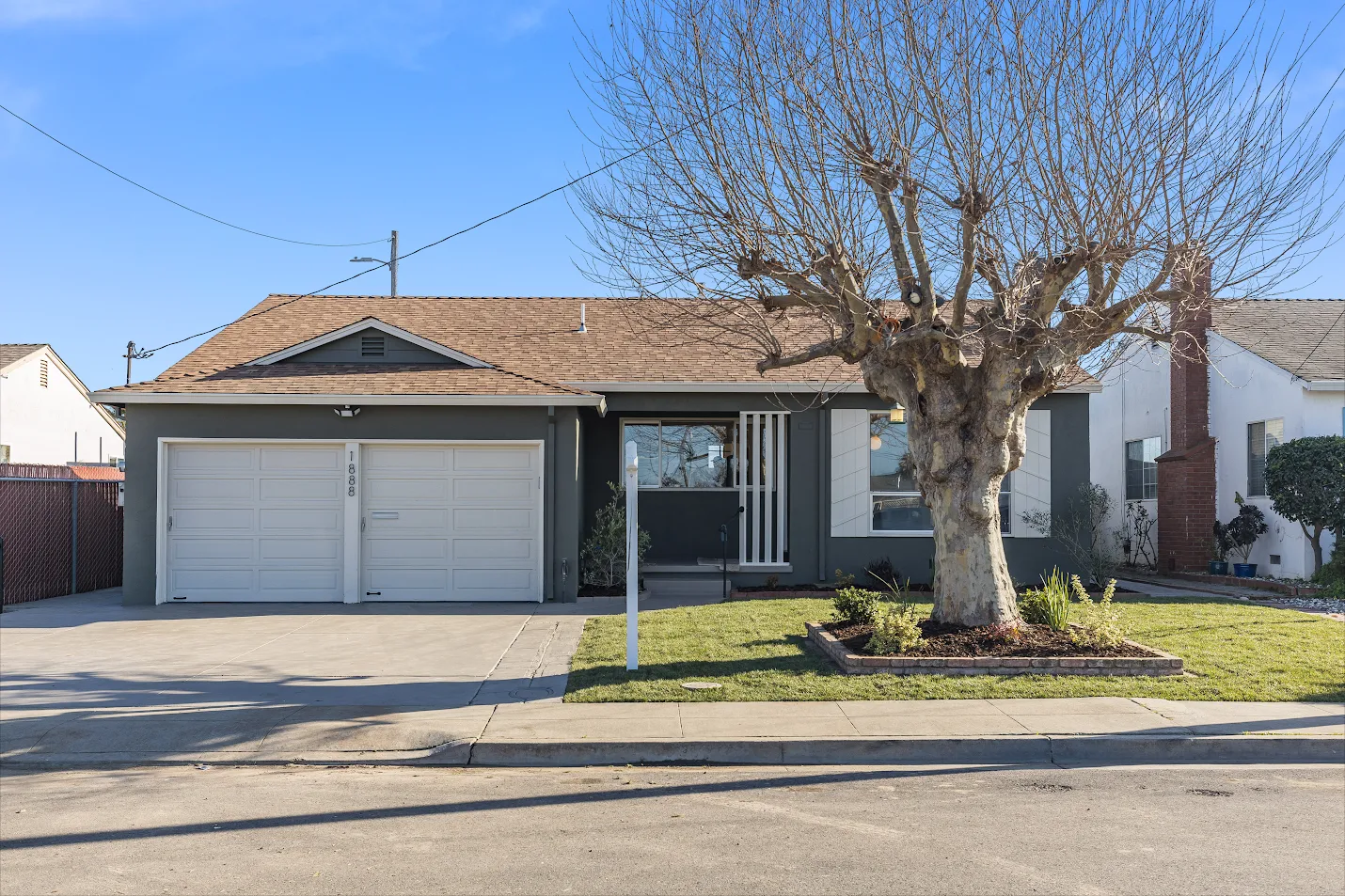
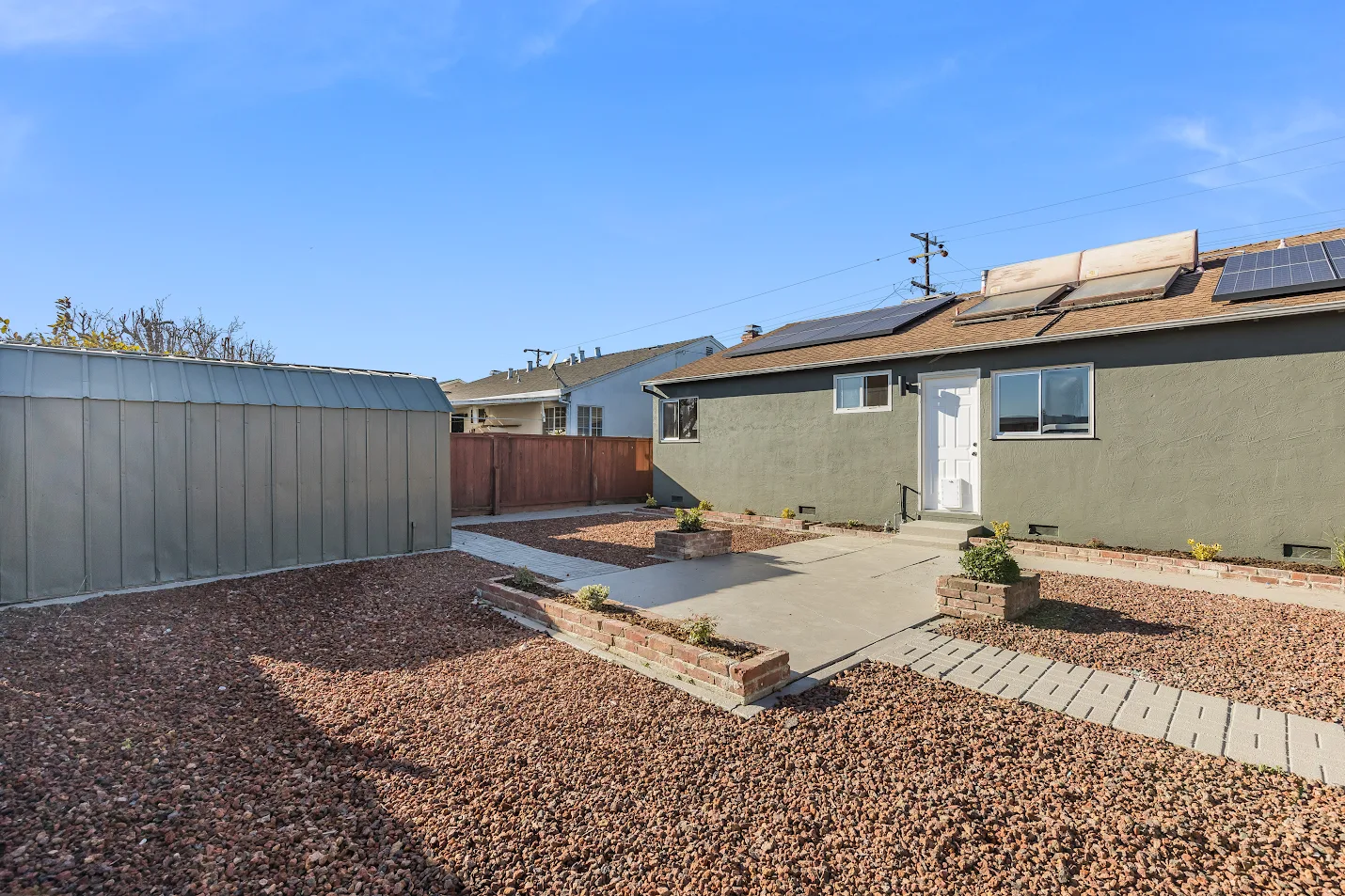
Sell Your House As-Is in the Bay Area (2026 Guide)

A clear, no-pressure guide for Bay Area homeowners who want speed, certainty, and control — without repairs or surprises.

Selling your house as-is in the Bay Area can feel intimidating, especially if the property needs repairs, has legal or financial complications, or you’re under pressure to move quickly. Many homeowners worry that selling as-is means accepting a low offer, being forced into repairs later, or dealing with buyers who change terms after inspections.

Those concerns are understandable. The Bay Area is a complex real estate market, and not all buyers — or “as-is” offers — are created equal.

The reality is this:
Selling a house as-is can be one of the most practical and controlled options for Bay Area homeowners when the process is clearly structured and the buyer is properly vetted.

If you’re early in the process, it also helps to understand how this option compares to others, such as selling traditionally or working directly with a buyer. A good starting point is understanding how selling a house fast in the Bay Area actually works:
👉 Sell Your House Fast in the Bay Area

This guide explains exactly what selling as-is means in California, how it works in today’s Bay Area market, and what to evaluate before accepting an offer — so you can move forward with clarity instead of guesswork.

Talk With a Local Bay Area Home Buyer

If you want a clearer picture of your options, a short conversation can help you understand pricing, timelines, and whether an as-is sale even makes sense for your situation. You can also review our home buying process to see how as-is purchases are typically handled:
👉 How We Buy Houses


What Does “Selling a House As-Is” Mean in California?

Selling a house as-is means offering the property in its current condition, without agreeing to make repairs, upgrades, or improvements for the buyer.

In California, an as-is sale means:

  • You are not required to fix known or discovered issues

  • The buyer agrees to accept the home in its present condition

  • You are still legally required to provide all mandatory disclosures

  • You retain full control over whether to negotiate after inspections

As-is does not mean hiding problems or skipping disclosures. California law requires sellers to disclose known material facts about the property. Disclosures inform the buyer — they do not obligate you to repair.

This distinction is one of the most common points of confusion for homeowners exploring selling a house as-is in the Bay Area:
👉 Sell Your House As-Is


Sell Your House As-Is in the Bay Area (2026 Guide) 1

Can Buyers Force You to Make Repairs in an As-Is Sale?

Short answer: No.

In a true as-is sale, buyers cannot force you to make repairs, upgrades, or credits. After inspections, buyers typically have only two options:

  1. Proceed with the purchase as agreed

  2. Walk away from the deal (based on contract terms)

They cannot require repairs unless you agree to them.

Some buyers label an offer “as-is” while still including inspection or cancellation clauses that allow renegotiation later. The offer sounds as-is — but the contract is not. This is why it’s important to understand what a real as-is cash offer should look like before signing anything:
👉 Get Your Cash Offer


Why Bay Area Homeowners Choose to Sell As-Is

Selling as-is is not a last resort. Across the Bay Area — including San Jose, Oakland, San Francisco, and San Mateo — many homeowners choose as-is sales intentionally.

Common reasons include:

  • The home needs major repairs or deferred maintenance

  • The property is inherited or part of probate

  • There are tenant, permit, or code complications

  • Repair costs don’t make financial sense

  • The seller wants speed and predictable timelines

  • The seller wants to avoid contractors, showings, and prolonged negotiations


As-Is Sale vs. Traditional Listing in the Bay Area

Understanding the difference helps set realistic expectations.

Selling As-Is

  • No repairs or upgrades required

  • Faster, more predictable timelines

  • Often cash or non-contingent buyers

  • Fewer showings and less disruption

  • Lower risk of renegotiation

Traditional Listing

  • Repairs, updates, or preparation often expected

  • Longer time on market

  • Financing, appraisal, and buyer contingencies

  • Multiple showings and open houses

  • Higher chance of price changes after inspections

Neither option is “better” in every situation. For many homeowners, certainty matters more than speculation — especially when reviewing sell-my-house-fast options in the Bay Area:
👉 Sell My House Fast in the Bay Area

Sell Your House As-Is in the Bay Area (2026 Guide) 2


Common Misconceptions About Selling As-Is

“As-is means I’ll get taken advantage of.”
Not necessarily. As-is pricing reflects condition. Serious buyers account for repairs upfront rather than renegotiating later.

“I’ll still have to fix things after inspections.”
You are not required to make repairs unless you agree to them.

“Only desperate sellers sell as-is.”
Many financially stable homeowners choose as-is for privacy, simplicity, and predictability.

“As-is buyers always back out.”
Unqualified buyers do. Well-funded buyers with clear processes close, which is why it matters who you’re actually selling to:
👉 Cash Home Buyers


The Biggest Mistake Sellers Make Before Accepting an As-Is Offer

The most common mistake is focusing only on price.

A high offer doesn’t mean much if the buyer lacks funds, plans to renegotiate, or isn’t the actual end buyer. Many sellers later realize that a slightly lower but well-structured offer would have produced a smoother closing.

Price matters — but certainty matters just as much.


What to Review Before Accepting an As-Is Offer

Before accepting any as-is offer, look beyond the headline number.

Key items to review include buyer credibility, proof of funds, contract contingencies, closing timeline, escrow partners, and true as-is language.


When Selling As-Is Makes the Most Sense

Selling as-is is often the best option when reducing complexity matters more than maximizing price.

This is especially true when homeowners are considering direct home sales instead of listings due to repairs, time pressure, or legal complexity.


Sell Your House As-Is in the Bay Area (2026 Guide) 3

How the As-Is Sale Process Typically Works

A properly handled as-is sale is straightforward and predictable.

  1. Initial property review

  2. Buyer evaluates condition upfront

  3. Clear written offer is presented

  4. Contract reflects true as-is language

  5. Escrow opens promptly

  6. Closing occurs as scheduled

This mirrors the structure outlined in our step-by-step home buying process:
👉 How We Buy Houses


How Twin Home Buyer Approaches As-Is Purchases

At Twin Home Buyer, as-is means exactly that — no repairs, no clean-up requirements, and no pressure to renegotiate later.

Our approach focuses on clarity, funding certainty, and follow-through. You can learn more about how Twin Home Buyer works with Bay Area homeowners here:
👉 About Us


Red Flags to Watch for in As-Is Offers

Be cautious if a buyer avoids proof of funds, rushes signatures, uses vague inspection clauses, delays escrow, or hints at price changes later.


Final Thought: As-Is Doesn’t Mean Settling

Selling your house as-is in the Bay Area doesn’t mean giving up control or accepting uncertainty. When done correctly, an as-is sale removes unnecessary steps, reduces risk, and keeps the process focused on clarity instead of constant negotiation.

When funding, contract terms, and timelines are aligned from the start, selling as-is can be one of the most predictable and low-stress ways to move forward — especially in a complex market like the Bay Area.


Talk With a Local Bay Area Home Buyer

A short conversation can clarify price range, timing, and next steps — with no obligation to move forward.

👉 Call Us