Selling Your California House: Compare Your Options
Every selling path has tradeoffs. Whether you prioritize speed, certainty, or price, here is exactly how the process works in California.
Some homeowners want maximum exposure and are willing to wait through showings, inspections, and buyer financing. Others want to avoid repairs, skip commissions, and get to a predictable closing date faster.
The best option usually depends on the condition of the house, how urgent your timeline is, how much uncertainty you can tolerate, and whether you want to invest more money before selling. A clean retail property with no time pressure may benefit from the open market. A home with repairs, inherited belongings, title questions, or a seller who needs speed often points toward a more direct solution.
That is why sellers should compare more than the highest possible number on paper. The real decision usually comes down to net proceeds, effort, time, and how likely the deal is to actually make it to closing without major surprises.
List With An Agent
Best for houses in strong condition with flexible timelines.
- Potential to maximize final sale price
- Buyer financing contingencies
- Requires repairs & staging
- Agent commissions and selling costs
Sell Directly to Twin
Best for trustees, administrators, inherited homes, or sellers needing speed.
- Close in as little as 5 days
- No repairs or cleaning needed
- Zero commissions or fees
- Guaranteed cash closing
Sell "As-Is"
Skip repairs but still sell on the open market.
- No renovation costs
- Open to traditional buyers
- Longer escrow periods
- Price reflects condition
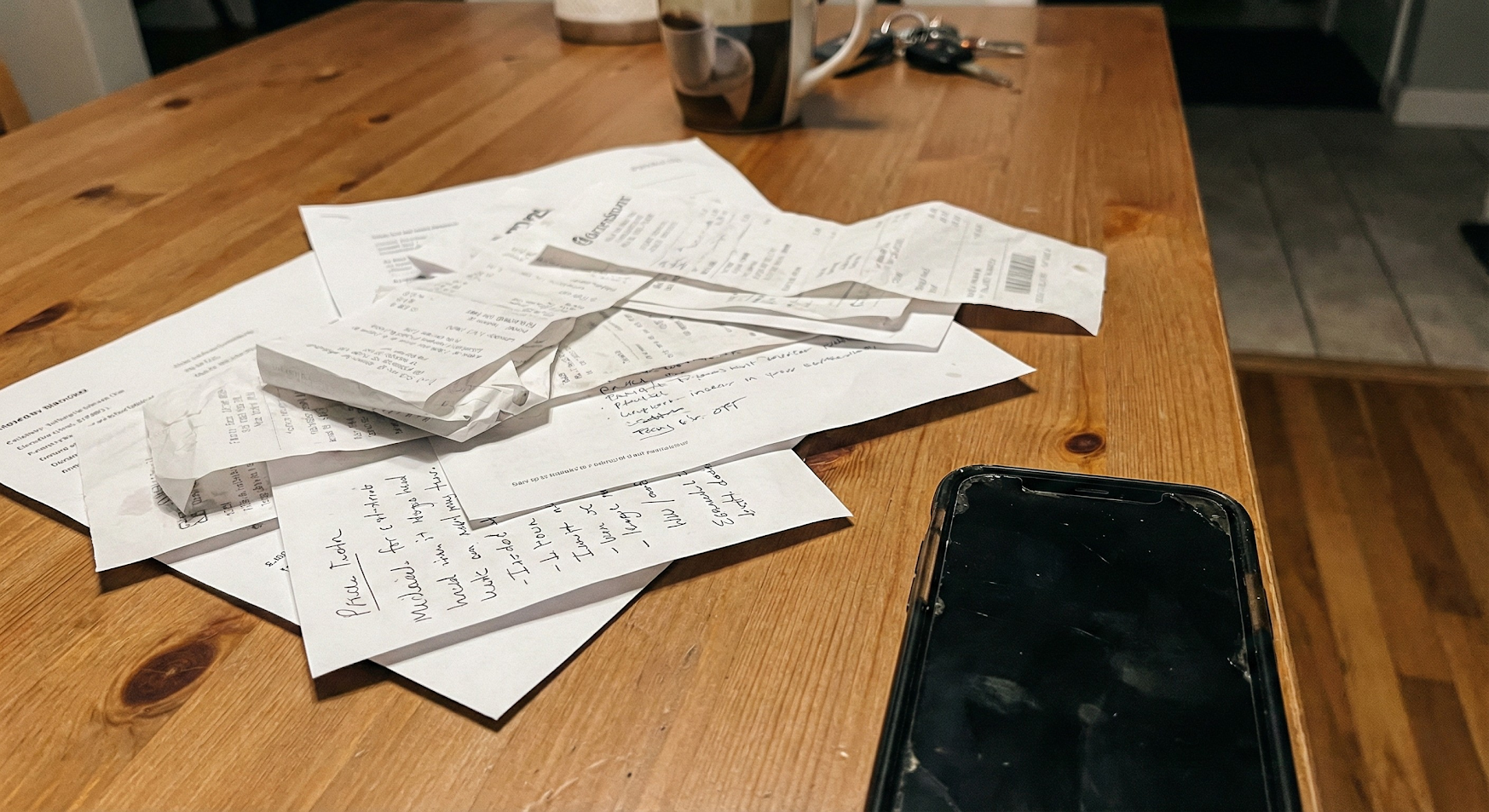
Why California Home Sales Feel Complicated
California disclosure requirements and strict inspection standards can stretch timelines unexpectedly.
Twin Home Buyer removes the variables. We handle disclosures, skip lender approvals, and allow flexible closing dates.
Many sellers also run into practical issues that are not obvious at the start of the process. The house may need cleanup, deferred maintenance may show up in inspections, appraisals may come in light, or buyers may ask for credits after reports are delivered. Even when a property looks easy to sell, the path from accepted offer to actual closing can still become much more complicated than expected.
The more moving parts involved in the sale, the more opportunities there are for delays or renegotiation. That is why certainty becomes a major factor for sellers dealing with probate, inherited property, tenants, repairs, relocation, or financial deadlines.
How to Think About the Right Selling Path
A homeowner should compare more than just the highest possible price. The real decision usually comes down to net outcome, timing, and stress level. If a seller needs to move quickly, does not want to repair the house, or wants to avoid showings and lender delays, the direct option often becomes more attractive. If the home is fully market-ready and the seller has time, a traditional listing may make more sense.
There is no one-size-fits-all answer. The safest choice is the one that matches the property, the seller’s timeline, and the amount of risk they are willing to accept between contract and closing.
Traditional Listing
This path can work well for updated homes that show well and can compete cleanly on the market. Sellers usually need patience, flexibility, and a willingness to handle inspections, negotiations, and possible financing surprises.
As-Is Listing
This can help sellers avoid renovation costs, but it does not remove the normal market process. Buyers can still ask for credits, inspections can still create pressure, and escrow can still take time.
Direct Cash Sale
This option is often strongest when certainty matters most. It can reduce cleanup, repair, commission, appraisal, and financing risk while giving the seller a more predictable timeline.
What Each Option Usually Requires From the Seller
Different sale paths create different workloads. Some require more prep before the house even hits the market. Others remove most of that burden but trade off some upside in exchange for speed and simplicity.
Prep for a Listing
A traditional listing often means cleaning, staging, photos, open houses, showings, disclosures, inspection responses, and waiting on buyer financing. That can work well when the property is ready and the seller has time.
Prep for an As-Is Sale
An as-is listing reduces renovation expectations, but sellers still need to navigate marketing, access, buyer questions, inspections, and a normal escrow process with possible financing and appraisal issues.
Prep for a Direct Sale
A direct buyer usually needs basic property details, a walkthrough if needed, and a clear timeline. This route tends to remove most of the selling prep and can make sense when convenience matters more than market exposure.
When Speed Matters More Than Maximum Exposure
Some situations make time more important than squeezing out every possible dollar from the market. Probate, inheritance, relocation, divorce, vacant property costs, looming repairs, difficult tenants, or financial deadlines can all change what “best” means for a seller.
In those cases, a simpler closing process can create real value. Avoiding months of carrying costs, contractor coordination, and buyer fall-through risk may matter more than trying to optimize a retail listing that could still face delays or renegotiation later.
Inherited Homes
Many inherited properties need cleanup, repairs, or title coordination. A direct sale can reduce the amount of work needed before moving forward.
Repair-Heavy Houses
Foundation, roof, plumbing, electrical, or outdated condition can make a retail sale harder. Sellers often prefer certainty over investing more money first.
Urgent Timelines
If the goal is to close quickly and avoid lender delays, a direct buyer can often provide a more practical path than waiting for a financed retail buyer.
Vacant or Rental Property
Holding costs, tenant issues, and property management stress can make a faster sale much more valuable than a long market process.
Why Net Proceeds Matter More Than the Headline Price
Many sellers focus first on the offer amount, but the better question is what actually lands in their pocket after all costs, delays, and concessions are accounted for. A higher list price can still shrink after repairs, staging, commissions, holding costs, and buyer credits are factored in.
A direct sale usually does not promise the same top-end retail number, but it can remove major expenses and reduce uncertainty. That is why some sellers find the cleaner, faster path produces a better real-life outcome even if the initial offer looks lower on paper.
Commission Costs
Traditional listings often involve agent commissions and related sale expenses that reduce the seller’s final proceeds.
Repair Burden
If the home needs work, the seller may spend money up front or give credits after inspections, reducing the final net result.
Holding Costs
Mortgage payments, taxes, insurance, utilities, vacancy, and maintenance continue while the property waits to close.
Fall-Through Risk
Financing issues, appraisals, and buyer hesitation can delay or kill a deal, forcing the seller to start again.
What Sellers Should Compare Before Deciding
Timeline
How fast do you really need to close? A flexible timeline supports a listing. A tight deadline often points toward a direct buyer.
Condition
Does the home need repairs, cleanup, updates, or disclosures that may scare off traditional buyers or create repair requests later?
Net Proceeds
Compare not just sale price, but also commissions, repairs, credits, holding costs, and the chance that the deal gets delayed or falls apart.
Certainty
A strong offer is not only about price. It is also about how likely the buyer is to actually close on the terms you agreed to.
Talk with a local California home buyer
Get a clear, no-pressure overview of your options.
