Whether to rent or sell an inherited Bay Area house depends on the numbers most heirs have not checked yet: repairs, holding costs, property taxes, and whether you want to be a landlord at all.
Inherited a House in the Bay Area? The 2026 Guide
Expert advice on probate, financial burdens, repair decisions, and choosing the right path for your family’s future.
We understand what you are going through. Losing a loved one is hard enough; managing an inherited property at the same time can feel overwhelming. Our goal is to make the process easier to understand so you can focus on your family, your responsibilities, and the next step that makes the most sense.
If you are asking yourself, “I inherited a house, what should I do with it?” you are not alone. Many heirs are unsure whether they should keep the home, rent it out, fix it up, or sell it. Before making any decision, take a step back and look at the full picture of facts, costs, legal steps, and long-term responsibilities.
In the Bay Area, inherited homes can come with significant value, but they can also come with significant pressure. Property taxes, insurance, utilities, maintenance, probate paperwork, and family coordination can all become part of the decision. That is why the best first move is not rushing into a sale or a rental plan. It is understanding what the property is really going to require from you.
1. The Financial Reality Check
Selling instead of renting ends the holding costs immediately: Twin Home Buyer makes a no-obligation cash offer within 24 hours and can close in as little as 7 days, with 0% agent commission and standard seller closing costs paid.
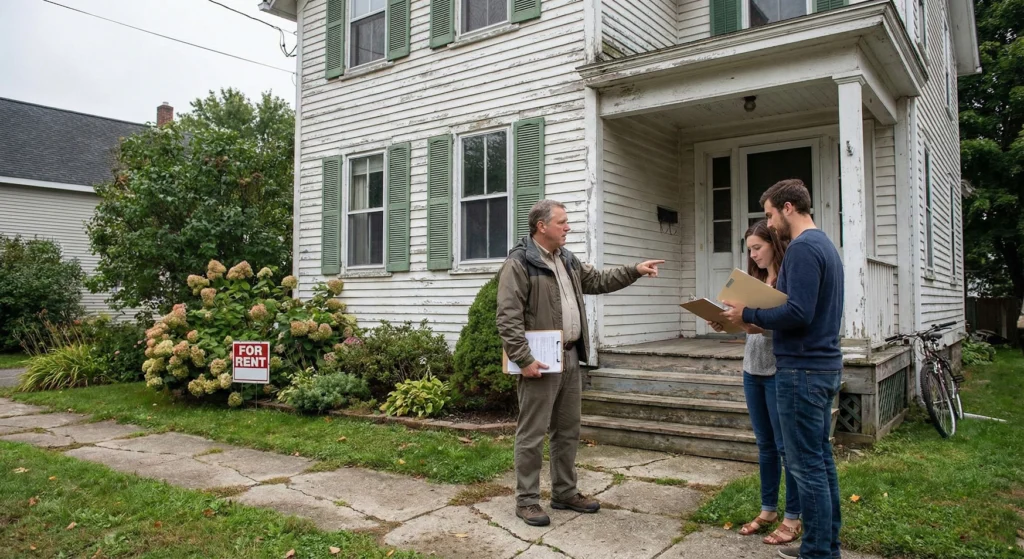
A home may look like a valuable asset on paper, but the monthly burden and deferred maintenance can quickly change the equation. You must account for holding costs: property taxes, insurance, utilities, landscaping, and general upkeep that continue even if the house is empty.
- Mortgage Status: Is the loan paid off or is there an active balance?
- Tax Obligations: Are property taxes current, and has the assessment changed?
- Maintenance Debt: Does the home need a roof, plumbing, electrical, drainage, or foundation updates?
- Title & Probate: Are there multiple heirs, paperwork delays, or legal hurdles to clear?
It is also worth looking at the less obvious expenses. Vacant homes may need security attention, yard work, regular cleaning, pest control, and insurance updates. If the property sits for months while the family decides what to do, those costs can quietly add up. That is why heirs should compare not only the potential sale value of the home, but also the cost of holding it while decisions are being made.
Many Bay Area inherited homes are older properties that were owned for a long time by parents or grandparents. In many cases, the home has appreciated significantly, but the systems inside may be outdated. A house can be valuable and still need major work. Knowing that difference early can help you avoid unrealistic expectations about what the home will require before a traditional sale.
2. The Emotional Side of Inheriting a House
Inherited property decisions are not only financial. They are often emotional. Many families are trying to sort through grief, personal belongings, family memories, and differing opinions about what should happen next. That emotional layer can make even simple decisions feel much heavier.
Some heirs want to keep the property because of family history. Others want to sell because the home feels too difficult to manage. Sometimes multiple heirs are involved, and each person sees the property differently. That is normal. Inherited house decisions often take longer because they are tied to more than just real estate.
This is why clarity matters so much. Once everyone understands the real costs, the likely repair burden, the timeline, and the legal steps involved, the decision usually becomes easier. Emotions do not disappear, but the path forward starts to feel more practical.
3. The Landlord Trap in California
Renting out an inherited house in the Bay Area is not passive income. California is one of the most tenant-protective states in the country. If you live out of town, have a full-time job, or simply do not want a second set of responsibilities, managing a rental can quickly feel like another career.
Landlords are responsible for repairs, habitability standards, rent collection, turnover, maintenance coordination, and tenant disputes. If the inherited home is older and already needs work, turning it into a rental may require more upfront investment than expected. Some heirs think renting will buy them time, but it can also lock them into a long-term obligation they never wanted.
Before choosing to rent, ask yourself whether you really want to manage the house, the tenant relationship, and the ongoing maintenance. Also ask whether the rent would truly justify the stress, risk, and carrying costs. In many cases, heirs discover they do not actually want to be landlords. They just have not yet seen a better alternative.
4. Common Problems With Inherited Houses
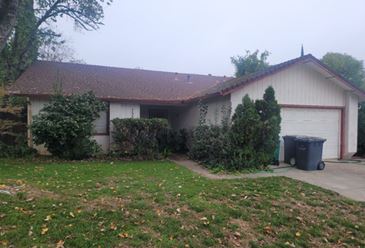
Inherited homes often come with challenges that are easy to underestimate at first. The property may look manageable on the surface, but once you begin sorting through the details, you may find older systems, cosmetic wear, roof issues, water damage, permit concerns, deferred maintenance, or years of personal belongings still inside.
These problems matter because they affect both the cost of keeping the home and the effort required to prepare it for market. A family that initially thinks the home only needs a few touch-ups may later realize it needs cleanup, repairs, hauling, inspections, and contractor coordination before it is truly ready to list.
That is one reason many heirs decide to compare an as-is sale. When the property has more work than expected, simplicity becomes part of the value. The less you have to coordinate, the easier it becomes to move on without adding more time and money to the situation.
5. Selling As-Is vs. Listing with a Realtor
Selling as-is to a cash buyer like Twin Home Buyer means you skip the retail prep. No contractors, no staging, no deep cleaning requirements, and no months of uncertainty while the house sits on the market. This is often the preferred option for heirs who want a clean break and immediate clarity.
A traditional listing can absolutely make sense in some cases, especially if the property is updated, empty, and easy to show. But many inherited homes are not in that condition. They may still contain furniture, old repairs, deferred maintenance, and years of wear that make a retail sale slower and more demanding than the family expected.
That is why the decision should come down to the total picture. A traditional sale might bring a higher paper price, but that number may also come with repair costs, agent commissions, inspection credits, cleanup expenses, and months of holding costs. An as-is sale may come in at a lower headline number, but it can remove a large amount of work and uncertainty.
6. When Selling Quickly Makes More Sense
In some inherited property situations, time matters more than trying to maximize every possible dollar. This can happen when the family wants to settle the estate, avoid more monthly costs, reduce stress between heirs, or move on from a house that no one wants to keep. A faster sale can create relief by simplifying everything at once.
This is especially true when the home is vacant, costly to maintain, or located far from where the heirs live. Long-distance property management can become exhausting. Even basic tasks like checking on the house, meeting contractors, coordinating cleanup, and keeping up with bills can turn into a long series of responsibilities.
If that is the situation, a direct sale may be less about speed for its own sake and more about getting out from under the burden before it keeps growing.
7. Questions to Ask Before Making a Final Decision
Before choosing whether to keep, rent, fix, or sell the house, it helps to ask a few direct questions:
- Do I want to be responsible for this property long term?
- Can I realistically afford the repairs and carrying costs?
- Do all heirs agree on the next step, or is the property causing more strain?
- Would a faster as-is sale create more peace of mind for everyone involved?
- Am I trying to keep the house because it makes sense, or because I feel guilty letting it go?
These are not always easy questions, but they are important ones. The best decision is usually the one that matches both the financial reality and the emotional reality of the situation.
8. How Twin Home Buyer Helps Families With Inherited Property
At Twin Home Buyer, we work with Bay Area families who need a simple way to move forward with inherited homes. Some properties are clean and easy. Others come with major repairs, personal belongings, title questions, or probate complications. We understand that each situation is different.
Our role is to make the next step easier to understand. We look at the property in its current condition, explain the options clearly, and provide a fair cash offer without requiring repairs, staging, or a long traditional sales process. There is no pressure, and you can decide what makes sense for your family and your timeline.
For many heirs, that clarity is the most helpful part. Once they understand what the as-is option looks like, the decision becomes less overwhelming.
