Selling As-Is vs. Renovating Before Listing: Which Path Actually Makes More Sense?
Should you renovate or sell as-is? For many Bay Area homeowners, the real question is not just how much a house could sell for after improvements. The real question is whether the time, cost, stress, and risk of renovating are actually worth it.
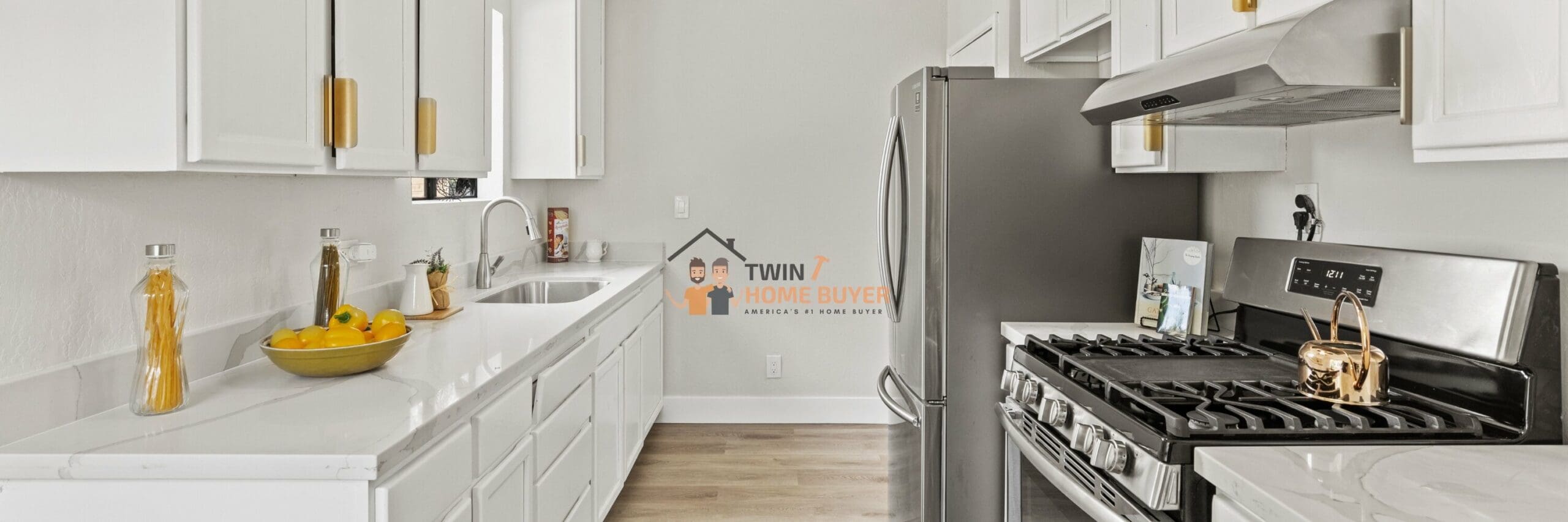
Selling a house in the Bay Area often comes down to two paths. The first is renovating before listing, which may help improve presentation and attract more traditional buyers. The second is selling as-is, which can reduce delays and allow the owner to move forward without putting more money into the property.
Each option has advantages, but the right choice depends on the condition of the home, your timeline, and how much effort you want to take on before closing. For some homeowners, renovation makes sense. If the property only needs light cosmetic work and the owner has time, budget, and patience, updates may help the house compete more strongly on the open market.
But for others, renovations can quickly turn into a larger project than expected. Costs rise, timelines stretch, and there is no guarantee that the final sale price will fully justify the extra investment. In the Bay Area, that risk can feel even bigger because labor, materials, permits, and contractor availability can all push a simple project beyond the original plan.
Pros and Cons at a Glance
Save time and upfront money
Selling as-is allows homeowners to avoid large renovation bills, contractor scheduling problems, and months of preparation before the home can even be listed.
Attract direct buyers
Many investors and cash buyers actively look for as-is properties and may be able to close much faster than a traditional financed buyer.
Simpler process
When you skip renovations, you also reduce the risk of change orders, repair surprises, and long back-and-forth negotiations over what should be fixed before closing.
Potentially lower sale price
Buyers usually factor repair costs, renovation risk, and resale margin into their offer, which can mean a lower headline number compared with a fully updated home.
Smaller buyer pool
Some retail buyers are looking only for move-in-ready homes, and some lenders may be hesitant when a property has major issues that affect financing or insurance.
More attention on condition
When a home is sold as-is, buyers tend to study visible maintenance issues more closely and may compare the house more aggressively against cleaner competing listings.
The biggest benefit of an as-is sale is convenience. You can sell the house in its current condition, avoid more out-of-pocket spending, and focus on the next step instead of trying to manage a property improvement project. This can be especially helpful for inherited homes, older properties, rentals, vacant houses, and homes with deferred maintenance.
That said, a lower price on paper does not always mean a worse outcome. A seller also has to think about repair costs, project risk, mortgage payments, property taxes, utilities, insurance, and the time required to get the home market-ready. In some cases, selling as-is creates a better overall result because it avoids months of extra carrying costs and uncertainty.
The Hidden Costs of Renovating Before Listing
- Sell as-is to Twin Home Buyer: a no-obligation cash offer within 24 hours, close in as little as 7 days, 0% agent commission, and Twin Home Buyer pays standard seller closing costs.
- Repair and list first: you carry the repair bill, the holding costs and the agent commission until the house sells.
One of the biggest mistakes sellers make is comparing only two sale prices on paper: the expected retail price after repairs versus the expected as-is offer. That comparison is incomplete unless you also include the hidden costs of getting the property ready.
Renovation projects often include contractor coordination, permit questions, cleanup, material delays, change orders, and inspection-related surprises. Even smaller projects can spill over the original timeline. While that work is happening, the owner is still carrying the property through taxes, insurance, utilities, maintenance, and sometimes mortgage payments.
There is also execution risk. A seller may spend thousands improving the house and still face price reductions, buyer negotiation, or a slower-than-expected listing period. That is why the smarter decision is not always the one with the highest theoretical sale price. It is the one that creates the strongest real outcome after all costs, delays, and uncertainty are counted.
When Renovating May Still Make Sense
Renovating may be worth considering when the house needs only modest cosmetic improvements and the owner has enough time and cash to complete the work without pressure. Simple updates such as paint, flooring, landscaping, and small repairs may improve presentation and help the property perform better with traditional buyers.
But there is a big difference between light prep work and a true renovation. Once a project involves kitchens, baths, roofing, electrical, plumbing, foundation work, or permit questions, the risk can rise quickly. What starts as a plan to improve value can turn into a slower, more expensive path than the owner expected.
When Selling As-Is Often Makes More Sense
Selling as-is is often the better fit when speed, simplicity, and certainty matter more than squeezing out a possible retail premium. That can be true for sellers dealing with probate, inheritance, divorce, relocation, landlord fatigue, major repairs, hoarding, code issues, or a property that simply feels overwhelming to manage.
It can also make sense when the home needs more work than the owner wants to take on. A project that looks manageable at first can become exhausting once bids come back, contractors disagree, or the timeline drifts. For many homeowners, the emotional cost is just as real as the financial cost.
In those situations, an as-is sale can turn a drawn-out project into a cleaner decision. Instead of spending months preparing the house, the seller can focus on the move, the estate, the family transition, or the next financial step.
How to Decide Which Path Fits Your Situation
The best choice usually comes down to a few practical questions. Compare your likely outcome based on real numbers, not just the highest possible sale price on paper.
If the answer points toward speed, certainty, or avoiding more out-of-pocket cost, selling as-is may be the stronger move. If the house is already in good enough condition that modest updates could clearly improve the outcome, then a limited prep strategy may make sense.
The Twin Home Buyer Solution
Many Bay Area sellers want something in between a lowball shortcut and a long renovation project. They want a fair number, a clear explanation, and a buyer who understands both the local market and the real cost of repairs.
Fast funding
Move toward closing without a long renovation timeline.
Zero prep
Sell the house in its current condition without taking on repairs.
Simpler process
Avoid commissions, project delays, and repeated disruptions.
Why the Better Choice Is Not Always the Higher Number
Many sellers get stuck on one question: “Will I make more if I renovate first?” Sometimes the answer is yes. But that does not automatically mean it is the better decision. A higher number can still produce a worse experience if it requires more capital, more time, more uncertainty, and more risk than the seller wants to absorb.
The smarter comparison is total outcome, not just top-line price. What will the seller really net after repairs, delays, project management, cleaning, staging, commissions, holding costs, and negotiation? What is the cost of losing time or carrying the house longer than expected? Once those questions are answered honestly, the right path often becomes much clearer.
Common Questions About Selling As-Is vs. Renovating
Is it better to renovate a Bay Area house before selling?
It depends on the condition of the house, your timeline, and how much money and effort you want to invest before selling. Some owners benefit from updates, while others gain more by selling as-is and avoiding delays.
What is the biggest advantage of selling a house as-is?
The biggest advantage is convenience. Selling as-is can help homeowners avoid repairs, contractor management, holding costs, and long listing timelines.
Why do some sellers avoid renovating before listing?
Some sellers avoid renovating because repair costs can grow quickly, timelines can slip, and there is no guarantee the final sale price will justify the extra investment.
Can a lower as-is offer still be the better outcome?
Yes. Once you account for repair costs, carrying costs, project delays, and the uncertainty of the retail market, an as-is sale can sometimes produce the stronger overall result.
