We buy houses for our own account. We are not your real estate agent, broker, attorney or tax adviser, and we do not act for the trust, the trustees or the heirs. Get independent advice from an attorney or tax professional before accepting any offer.
You may be able to sell an inherited house in California without probate court, because not every inherited house goes through probate: a house held in a living trust, passing by survivorship or under a transfer-on-death deed may not need it. When a trust owns the house, the trustee signs the sale, and if there are two or more trustees they generally have to act together unless the trust says otherwise.
Below is how to sell an inherited house in Daly City or anywhere in the Bay Area, step by step, with one of our real deals. This is general information, not legal advice.
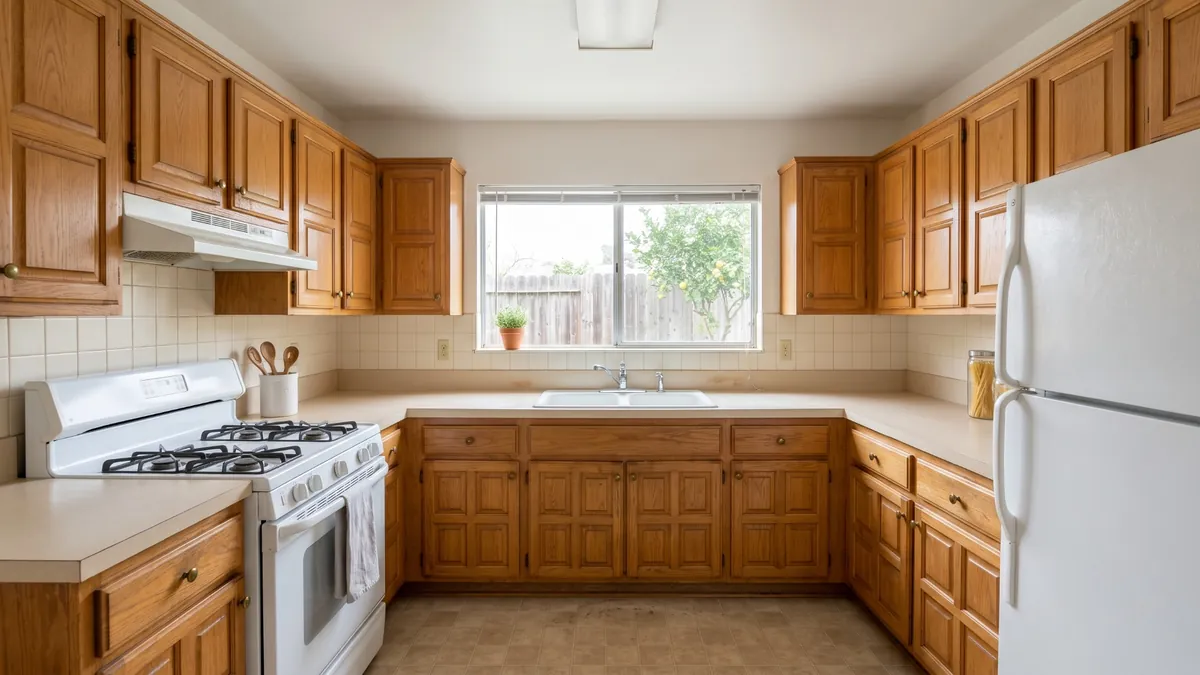
1. Sell inherited house in the Bay Area: how does it work, step by step?
- Find out how the house is owned. Is it held in a living trust, owned with someone by survivorship (joint tenancy), under a transfer-on-death deed, or in a probate estate? A family attorney or a title company can review the deed and the trust papers: the deed alone may not show who can sell. If it is in a probate estate, see our page on selling an inherited or probate house.
- Confirm who has authority to sell. A certification of trust lets the trustees confirm who the trustees are and what powers they have (Probate Code section 18100.5). If there are two or more trustees, they generally must act together unless the trust says otherwise (Probate Code section 15620).
- We see the house as it is and make a cash offer. We don't require repairs, cleanout or public showings. "As-is" refers to condition and repairs, not to disclosure: sellers may still have disclosure duties. Ask an attorney whether and how they apply to a trustee.
- The trustees sign and we close in escrow. The trustees sign the sale for the trust. After closing, the trustees handle the sale proceeds under the trust and the law. Talk to an attorney and a tax professional before you decide.
2. Cash buyers for inherited property in the Bay Area: how long does a sale take?
Timelines vary with the title, the trust paperwork and escrow. Once the trustees have authority to sell and title is clear, we can close in as little as 7 days, depending on escrow and title. Timing is not guaranteed. We'll give you a timeline for your case once we've seen the trust paperwork and the title report.
A sale through a trust usually does not wait on a probate court, but it can still take longer if the trustees disagree, the title has a problem, the trust paperwork is missing or a court has to get involved.

3. Inherited home buyers in the Bay Area: what did we do on a real deal?
A San Francisco house held in a family trust. The house had been inherited and was held by two co-trustees of the family's living trust. Because the trust owned it, the sale did not go through probate court.
What we did:
- Bought it from the trustees. The two co-trustees signed the sale for the trust.
- Closed in May 2025. Our team first visited the house in April 2025.
This is one example, not a typical timeline and not a promise of the same result.
4. Who buys inherited homes for cash? What does it cost, compared with listing?
Selling to us means no agent commission on our purchase (an existing listing agreement could still require one) and no required repairs or cleanout. But our as-is cash price is usually below what a renovated, marketed listing might bring, because we take on the repair risk and the resale costs. Carrying costs (taxes, insurance, utilities) continue until closing either way, and any attorney or trustee fees apply whether you sell to us or list.
Listing: on two of our own renovated sales in fall 2026, total selling costs, including negotiated credits to the buyer, were 8.7% and 9.5% of the sale price. Those credits were specific to those two sales and are not typical of every listing, commissions are negotiable, and renovation cost is not in those percentages. Yours will differ. A trustee or heir can also list the house as-is through an agent, without renovating.
| Selling to us | Listing with an agent | |
|---|---|---|
| Agent commission | None on our purchase. An existing listing agreement could still require one. | Negotiable. Set in the listing agreement. |
| Repairs and cleanout | We don't require them. | Some sellers do them to try for a higher price. You can list as-is. |
| Showings | We don't require public showings or open houses. | Often showings or open houses. |
| Price | Usually below what a renovated, marketed listing might bring. | May be higher. Not guaranteed. |
| Time to close | As little as 7 days once the trustees can sign and title is clear. | Varies with the market and the buyer's financing. |
| Who has to sign | Whoever is legally authorized to sign for the owners: the trustees, or all of the owners. | Whoever is legally authorized to sign for the owners: the trustees, or all of the owners. |
One way to compare is the net to the trust or the heirs: our written offer against an agent's estimate of the net after costs and time, for your house. It can help to get both before deciding.
5. We buy inherited houses in California: what should you ask any cash buyer?
- Is the buyer purchasing for its own account, or will it assign your contract to someone else?
- Is the offer in writing, and does it say who pays which closing costs?
- What does the buyer need from the trustees, and by when?
- What happens if the title has a problem, or if one trustee or co-owner changes their mind?
- Can the trust's attorney review the contract first?
We buy for our own account. Ask any buyer, including us, to put the answers in writing.
6. Questions sellers ask us
How fast can you close?As little as 7 days, depending on escrow and title, once the trustees have authority to sell and title is clear. On our San Francisco trust deal, our team first visited in April 2025 and the sale closed in May 2025. That is one example, not a promise. We'll give you a timeline for your house after we've seen it and the title report.
Will I owe taxes when I sell?It depends, so ask a tax adviser. For federal income tax, the basis of inherited property is generally its fair market value on the date the owner died, with exceptions (IRS Publication 551). Whether there is a taxable gain depends on that basis, the sale price, selling costs and other facts. California property tax can also change after an inheritance: see the Prop 19 note on our probate page.
My brother/sister owns part of it. Can we still sell?It depends. To sell the whole house, all of the owners generally have to agree and sign. If you and your sibling are co-trustees, you generally must act together unless the trust says otherwise (Probate Code section 15620). If you own the house together and one of you won't sell, a co-owner can ask a court for a partition, and the court may order a sale or a division. That is a court case, so talk to an attorney first.
Are there any fees or commissions?In a sale to us there is no agent commission on our purchase (an existing listing agreement could still require one). Other costs, such as escrow and title fees, transfer taxes, and any attorney or trustee fees, depend on the contract and your situation. Our written offer shows who pays what. Ask any buyer to show you the same in writing.
Questions about your house? Call (415) 415-8946 or use our contact form: https://www.twinhomebuyer.com/get-cash-offer-today/
Consult an attorney or tax professional for your situation.This page is general information about selling an inherited house in California, not legal, tax or insurance advice. Trust, estate, property and tax rules depend on the facts of each case and change over time. We are not a law firm, real estate brokerage or tax adviser, and we do not represent sellers, trustees or estates. We buy property for our own account as a principal buyer. Trustees, co-owners and heirs should consult their own California trust and estate attorney or tax professional before signing anything or relying on any timeline or cost described here. Not every inheritance qualifies for a transfer without formal probate, and some simplified procedures need court approval. We do not determine inheritance rights, trust validity, trustee authority or tax consequences. Past results, including the case example on this page, do not guarantee a similar outcome or timeline.

About the author
Juan Diaz
Founder & CEO, Twin Home Buyer
Juan Diaz is the founder and CEO of Twin Home Buyer. Juan started at 12, sweeping the homes his Uncle George bought in Oakland. Raised in East Oakland, he’s been flipping homes since 2005: 20+ years making homes beautiful and improving the communities he grew up in. Through Twin Home Buyer, his team helps homeowners considering a direct sale of their property.
