We buy houses for our own account. We are not your real estate agent, broker, attorney or tax adviser, and we do not act for the estate or the heirs. Get independent advice before accepting any offer.

1. What's a common mistake heirs make?
Treating the house like it's already theirs to sell or rent before they know who has authority to sell and what it will cost them.
- Letting the bills and the insurance slide. Taxes, insurance and utilities keep coming. Many homeowner policies reduce or exclude coverage after a home has been vacant for a set period, often 30 or 60 days depending on the policy. Ask your insurance broker what your policy requires; a vacancy endorsement or a vacant-home policy is one option.
- Assuming the parent's low property tax carries over. Under Prop 19, a child may keep some or all of a parent's tax base for the parent's principal residence only if the child makes it their own principal residence within one year and files the required claims on time, and even then the exclusion is capped. Renting it out, or missing the move-in and filing deadlines, generally means reassessment to market value. Confirm deadlines and values with the county assessor or a tax adviser.
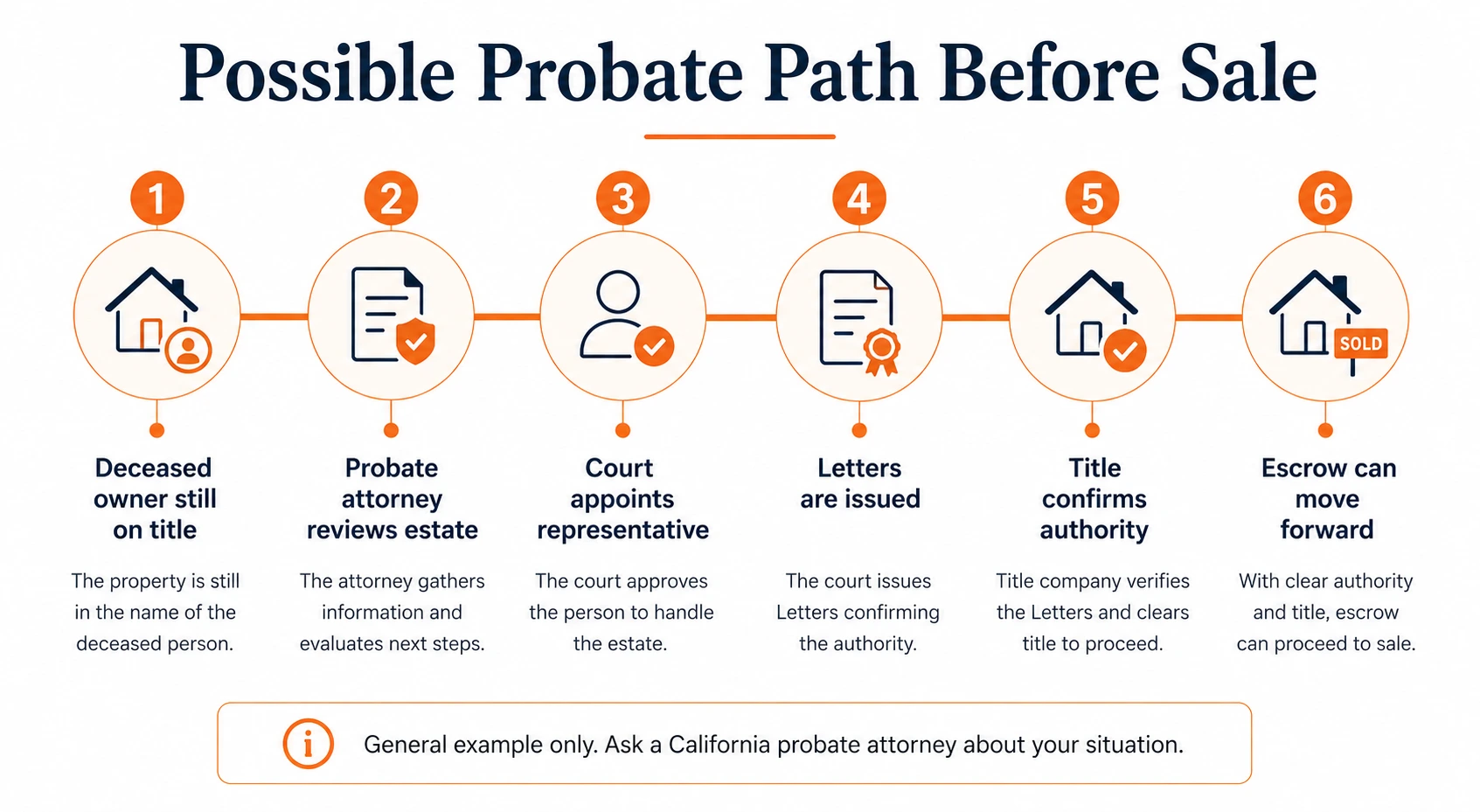
- Spending on the house before the path is clear. Not every inherited house goes through probate: property in a trust, in joint tenancy, or under a transfer-on-death deed may follow a different path. If the house is in a probate estate, no one can sell it until the court appoints a personal representative and issues letters. Repairs rarely raise an as-is cash offer, though they can matter in a listed sale, so compare both routes before spending.

2. How long does a probate sale take?
Timelines vary widely by county, court calendar and title issues. In California, creditors generally have until four months after letters are first issued (or 60 days after they are mailed notice, if later) to file claims, and estates with disputes or title problems can take much longer. Ask the estate's attorney for an estimate for your case.
In one of our San Francisco cases, which involved two estates, it took about a year of court process before title was settled and the sale could close. That is one example, not a typical timeline.
Once the personal representative has authority to sell, any notice period has run without objection, and title is clear, we can close in as little as 7 days, depending on escrow and title. We'll give you a timeline for your case once we've seen the letters and the title report.
3. What did we do on a real probate deal?
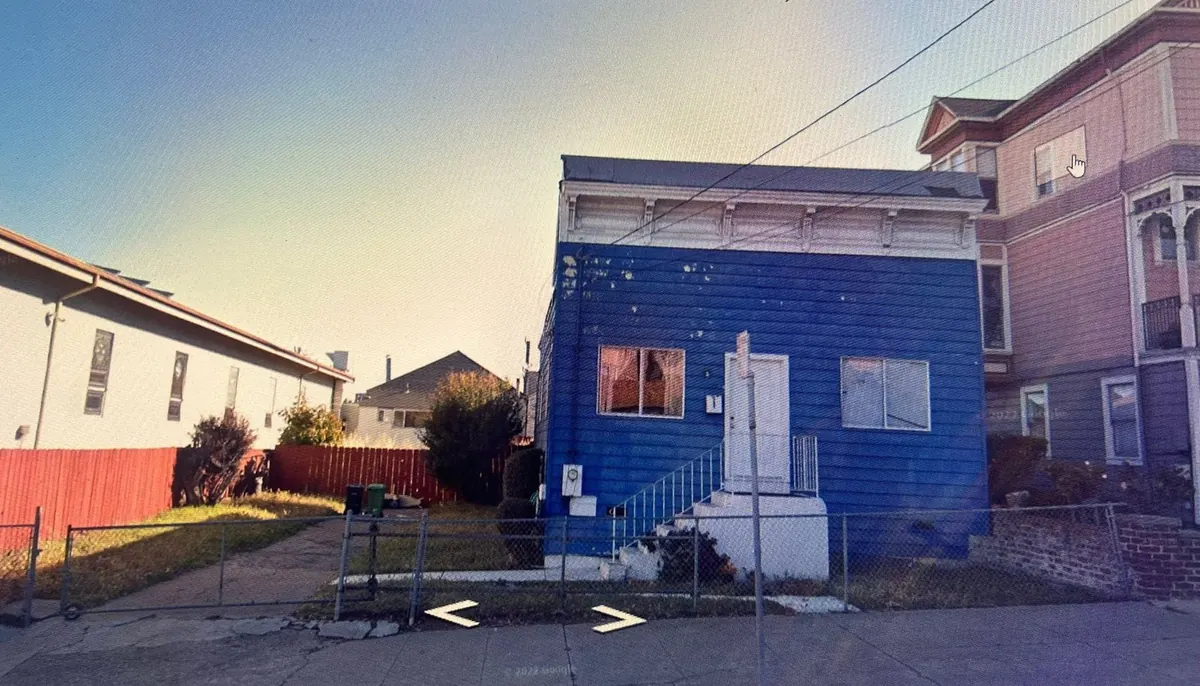
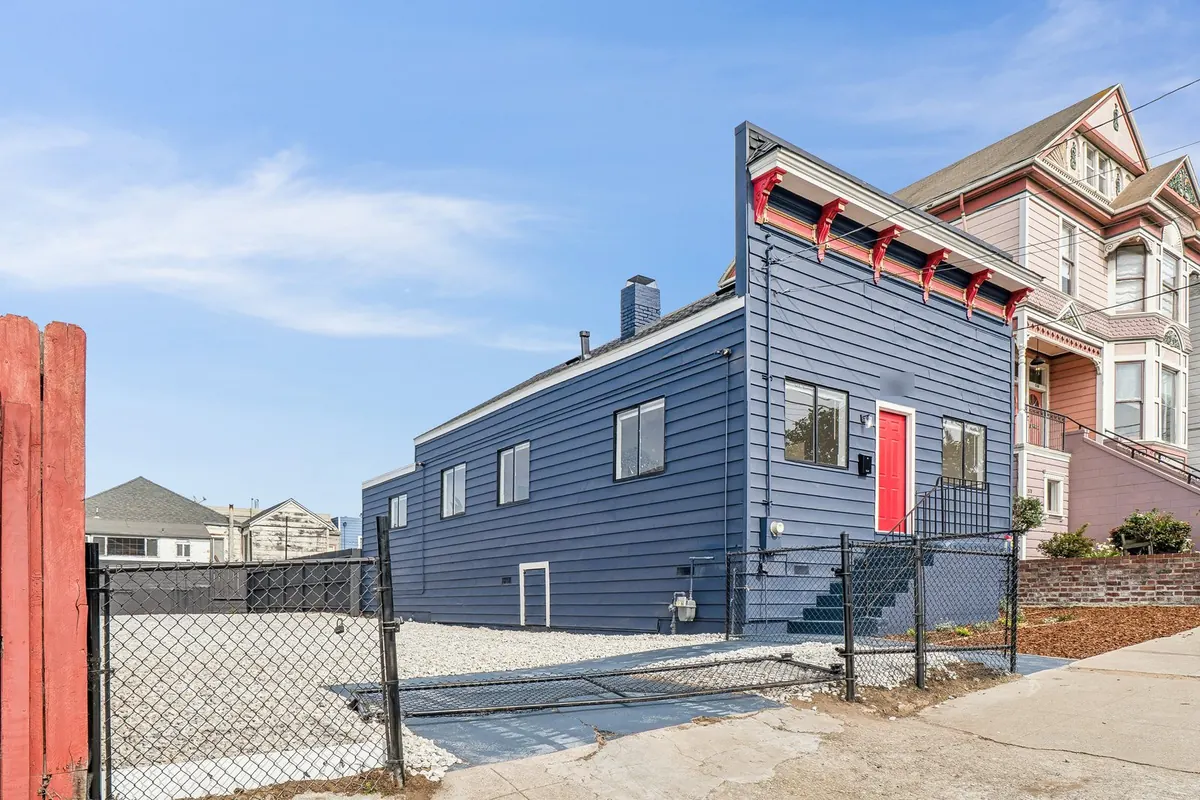
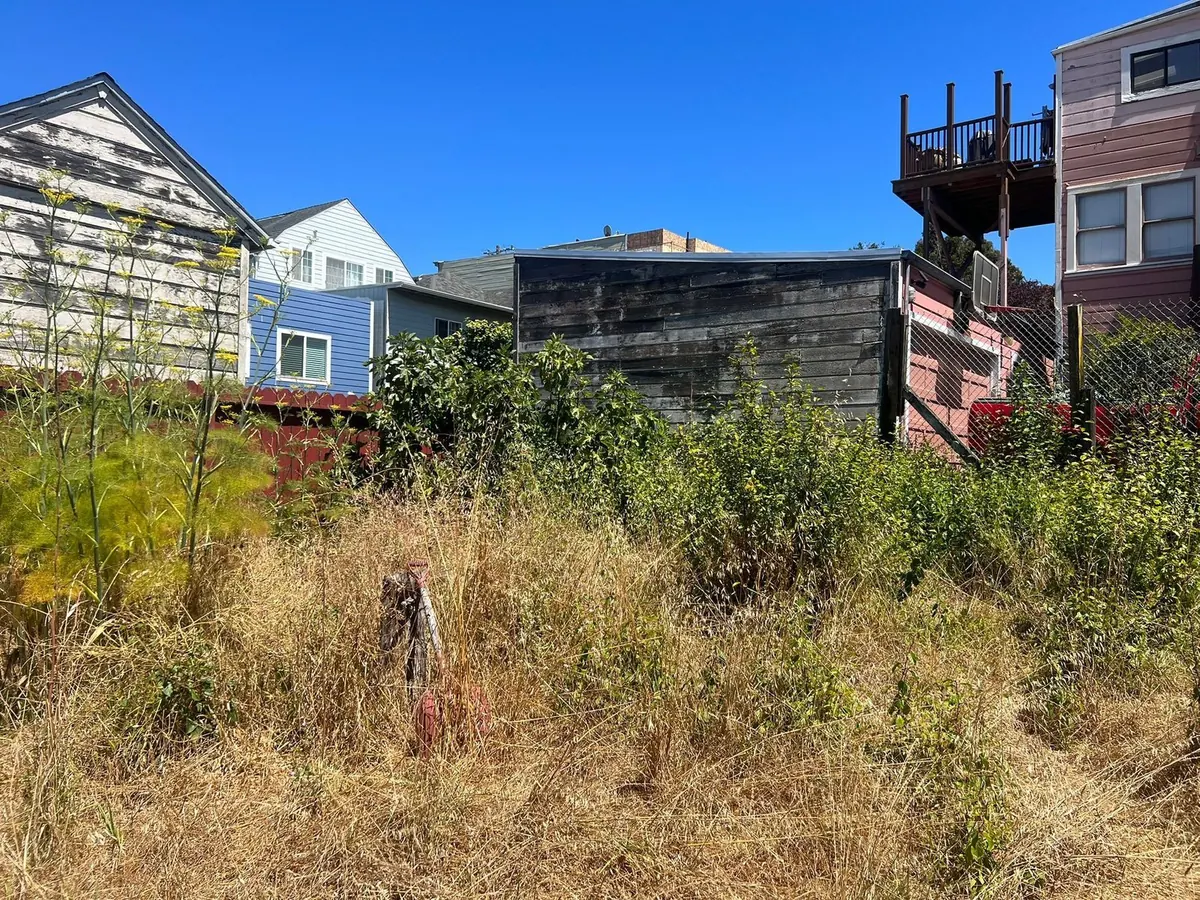
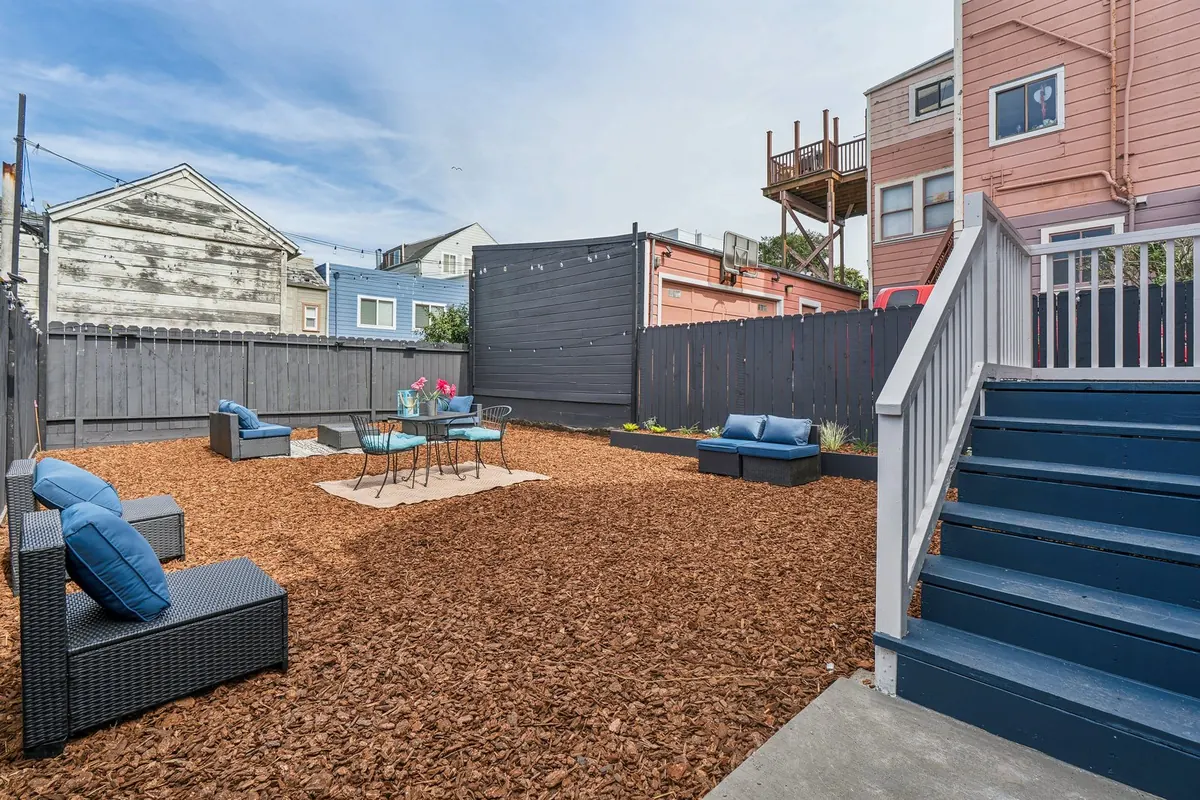
A San Francisco house with unsettled title. The title was still partly in the names of family members who had died, so court orders in two separate estates were needed before the family could sell.
What we did:
- Bought it as-is. The family didn't have to make repairs.
- Kept the purchase in place through the court process. The family's attorney handled the court orders, which took most of 2025.
- Closed in December 2025, after the court orders were in place and the new title recorded.
4. How does a probate sale to us work, step by step?
- Someone gets authority to sell. If the house is in a probate estate, the court appoints a personal representative (an executor if there is a will, an administrator if not) and issues letters. Property in a trust or passing by survivorship or a transfer-on-death deed may not need probate at all.
- We see the house as it is and make a cash offer. We don't require repairs, cleanout or showings. "As-is" refers to condition and repairs, not to disclosure: the estate must still disclose known material facts as the law requires.
- With full authority: the personal representative signs the purchase agreement and mails a Notice of Proposed Action, stating the material terms, to all heirs, devisees and anyone who requested special notice, at least 15 days before the sale. If no one objects in writing within that period, the sale can proceed without a confirmation hearing, subject to escrow and title.
- With limited authority, or if someone objects in writing: the sale generally needs court confirmation at a hearing. For a private sale, the price generally must be at least 90% of the probate referee's appraisal, if that appraisal is within one year of the hearing, and a qualifying bidder at the hearing may overbid under the statutory formula: the first overbid must exceed the accepted offer by 10% of the first $10,000 plus 5% of the rest (on a $500,000 offer, at least $525,500). That means an accepted offer is not guaranteed to be the sale that closes.
- We close in escrow and the net proceeds go to the estate, which pays debts, taxes, liens and administration costs before any distribution to heirs.
5. What does selling to us cost, compared with listing?
Selling to us means no agent commission on our purchase and no repair or cleanout spending. But our as-is cash price is usually below what a renovated, marketed listing might bring, because we take on the repair risk and the resale costs. Carrying costs (taxes, insurance, utilities) continue until closing either way, and probate attorney and personal-representative fees, set by statute on the estate's value, apply whether you sell to us or list.
Listing: on two of our own renovated sales this fall, total selling costs, including negotiated credits to the buyer, were 8.7% and 9.5% of the sale price. Those credits were specific to those two sales and are not typical of every listing, commissions are negotiable, and renovation cost is not in those percentages. An heir can also list the house as-is through an agent, without renovating.
The right comparison is the net to the estate: our written offer against an agent's estimate of the net after costs and time, for your house. Get both before deciding.
This page is general information about California probate sales, not legal, tax or insurance advice. Probate, tax and insurance rules depend on the facts of each estate and change over time. We are not a law firm, real estate brokerage or tax adviser, and we do not represent sellers or estates. We buy property for our own account as a principal buyer. Executors, administrators and heirs should consult their own California probate attorney and tax adviser before signing anything or relying on any timeline or cost described here. Past results, including the case example on this page, do not guarantee a similar outcome or timeline.

About the author
Juan Diaz
Founder & CEO, Twin Home Buyer
Juan Diaz is the founder and CEO of Twin Home Buyer. Juan started at 12, sweeping the homes his Uncle George bought in Oakland. Raised in East Oakland, he’s been flipping homes since 2005: 20+ years making homes beautiful and improving the communities he grew up in. Through Twin Home Buyer, his team helps homeowners considering a direct sale of their property.
