Every month your Bay Area house sits empty, you pay for two homes. For example, $6,000 a month for 4 months is $24,000 paid while you wait. Your numbers will differ.
You can sell from another state. Here are 3 options and what each costs.
Three ways to sell when you're moving out of the Bay Area
| Choice | Fits when | What it costs you |
|---|---|---|
| 1. Sell before you move | You have time to handle showings, inspections and repairs in person. | A delayed sale could push your move or require temporary housing. |
| 2. Move first, then list | The house shows well, someone local can help and you can afford to wait. | Mortgage, taxes, insurance and upkeep continue. You'll make decisions remotely. |
| 3. Get an as-is offer | You have a firm move date, repairs to handle or belongings you can't clear out. | The offer may be lower than a listing price, but you may avoid pre-sale repairs and return trips. |
Know your move date? Tell us the date and the home's condition.
Rated 4.8 on Google from 118 reviews · Read reviews
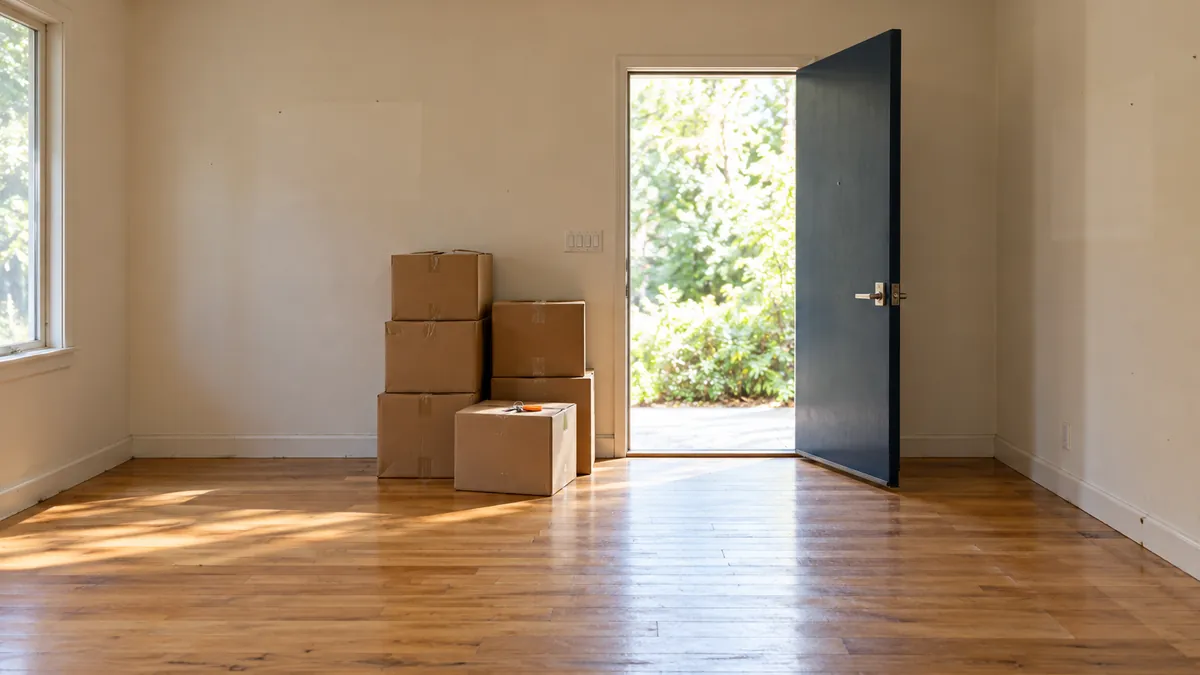
What an unsold house costs after you move
Add up these costs:
- Two housing payments. Your Bay Area mortgage, if any, plus rent or a mortgage at your new address.
- Property taxes and HOA dues. They keep coming.
- Insurance. Ask your insurer whether vacancy changes your coverage. See our guide to insuring a vacant Bay Area home.
- Utilities. Keep on what you need for showings, inspections and upkeep.
- Upkeep. Yard work, cleaning and regular property checks.
- Unexpected problems. A leak, break-in or inspection issue that needs someone on-site.
If your Bay Area house costs $6,000 a month in cash to keep, four extra months means $24,000 paid while you wait. That's not necessarily a $24,000 loss: part of a mortgage payment may reduce your loan balance. Taxes or insurance may already be inside your mortgage payment, so check before you add them again. Use your own numbers.
This is general information, not legal, tax or insurance advice.
Tell us your move date and the home's condition. We'll tell you if an as-is offer makes sense.
One seller's move: a San Francisco condo
- Closed: July 30, 2026
- Condition: needed carpet, paint, cleaning and appliances
- Sold to us: as-is, on the seller's timeline
A homeowner moving to Reno found us on Google and compared three or four companies. I went to see his condo myself: a beautiful unit that needed carpet, paint, cleaning and new appliances. We bought it directly from him, as-is, so he didn't have to do any of that work. We closed on July 30, on his timeline.
★★★★★
"It closed right on time, and he kept checking in to make sure I received my money from the title company."
The seller, in his Google review · Read his review

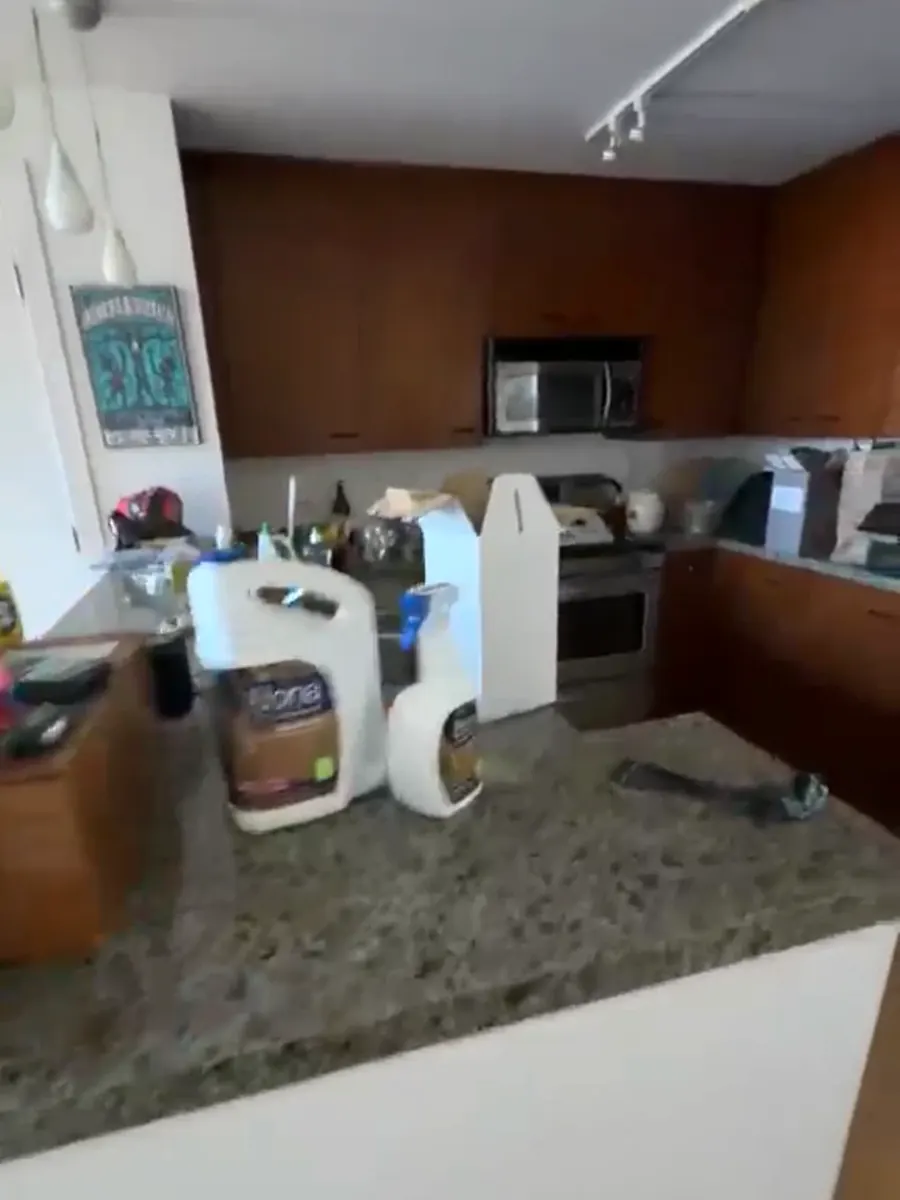
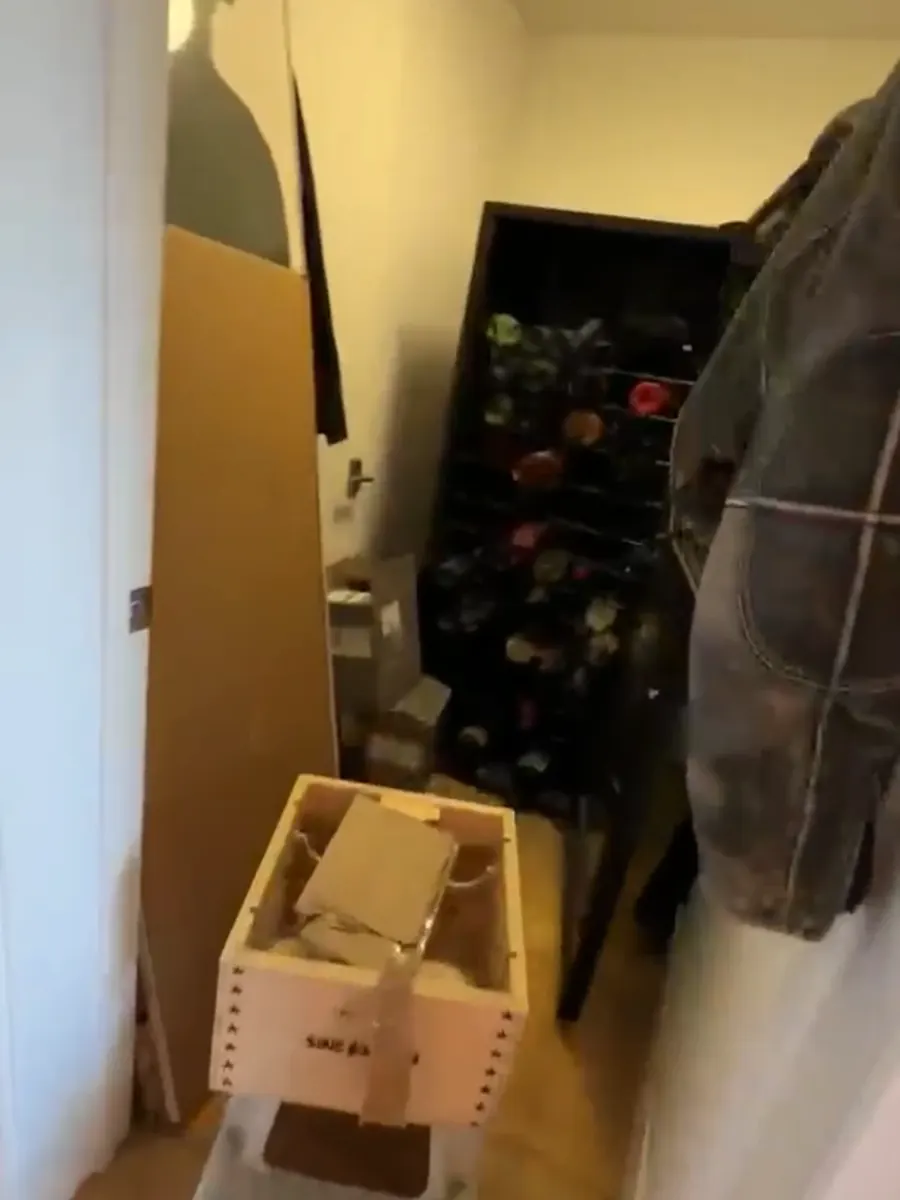
The condo as it was when we bought it. Real photos from our walkthrough.
What happens when you talk to us
- Tell us about the house. Where it is, what condition it's in and when you need to move. You do not need to clean, repair or stage the house first, and you do not need inspection reports. Disclosure rules may still apply.
- We look at whether a direct purchase makes sense. If it does, we review the property and make an offer with a straightforward explanation of how it was calculated.
- You decide. Compare the offer with listing with an agent. If you go ahead, you can often pick a closing date that fits your move, and you close through a local title company.
See how it works · Read reviews
Ready to see if an as-is offer fits your move?
Before you leave: eight things to handle
- Confirm who must sign. For joint ownership, a trust or an estate, ask title or escrow what documents and signatures are needed.
- Find a local contact. Ask someone you trust to check the house, get the mail and give access.
- Arrange access. Set up keys or a lockbox. Share gate and alarm details securely.
- Call your insurer. Ask whether an empty house changes your coverage. Get the answer in writing if you can.
- Sort out belongings. Decide what goes with you. Get any agreement to leave items behind in writing.
- Plan utilities and upkeep. Keep what's needed for visits and inspections. Confirm when accounts should be closed or transferred.
- Ask escrow about remote signing. Check what signing and notarization arrangements it accepts. Don't assume everything is online.
- Keep documents handy. Forward your mail and save the deed, mortgage, tax and HOA records you may need.

Listing your Bay Area house from another state
If the house is in good shape and you can afford to wait, talk to a local agent. An MLS listing can reach more buyers and may bring a higher price. Compare what you'll actually net after selling costs and the extra months you may carry the house.
Your agent handles marketing and showings. You decide price, inspection requests and repairs. Have someone local who can give contractors access or respond to a problem.
Before paying for repairs, ask your agent which ones are worth doing. See what not to fix before selling, and decide who will supervise any work after you move.
When to get an as-is offer
If the move is close, get an as-is offer and compare the numbers. It may fit when:
- You can't keep paying for two homes while the house sits.
- The house needs repairs you won't be there to manage.
- You can't finish clearing out belongings before you leave.
- Tenants make showings hard. If tenants live in the home, check with a California real estate attorney about showing access, notice requirements and how the sale affects the tenancy.
An as-is buyer may take on repair work and agree to leave certain belongings in place. A closing date can sometimes be arranged around your move. Get those terms in writing before relying on them.
Before signing, check the price, closing date, what's included, what happens to leftover belongings and which disclosures you must provide. Selling as-is doesn't necessarily eliminate required disclosures. Ask your agent or a California real estate attorney what applies to your sale.
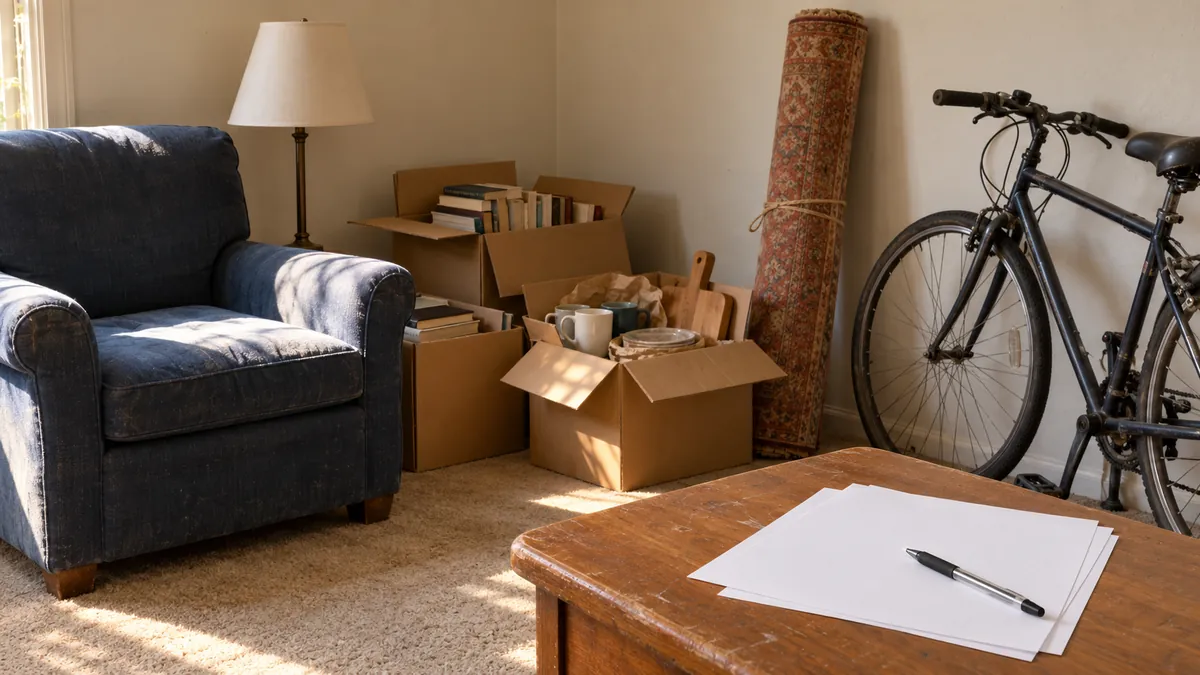
A direct offer may be lower than an open-market sale. To compare, estimate what you keep each way:
- Listing: the expected sale price, minus agent commissions and closing costs, any repairs or prep, and each month of carrying costs until it closes.
- As-is offer: the offer, minus the closing costs you'd still pay.
Ask your agent for an estimated net sheet, and ask any direct buyer to show how its offer was calculated. Our relocation guide explains how a direct sale works.
Frequently asked questions
What happens if I move and my house doesn't sell?
You keep paying the mortgage, if any, plus taxes, insurance, utilities and upkeep until the sale closes. Calculate how many months you can cover those costs.
Can I sell my Bay Area house if I already live out of state?
Yes. Have someone local handle access and ask title or escrow how you can complete signing from where you live.
Do I have to fly back to sign the closing papers?
Not always. Ask escrow what remote signing and notarization it accepts. Confirm early; not every document can be signed online.
What should I do if the house will be empty?
Ask your insurer about vacancy. Arrange regular checks.
Should I fix the house before selling from another state?
Ask your agent which repairs are likely to affect your sale price and who can manage the work. If you don't want repairs, compare an as-is offer.
Is it better to sell before I move?
Selling first lets you handle the process nearby. Moving first can work if you have local help and enough money to cover delays.
Related guides

About the author
Juan Diaz
Founder & CEO, Twin Home Buyer
Juan Diaz is the founder and CEO of Twin Home Buyer. Juan started at 12, sweeping the homes his Uncle George bought in Oakland. Raised in East Oakland, he’s been flipping homes since 2005: 20+ years making homes beautiful and improving the communities he grew up in. He has bought and sold over 400 homes. He and his team buy homes directly from owners.
Moving before your house sells?
Tell us when you're moving and what condition the house is in. We'll let you know if an as-is offer makes sense.
