The short answerWhen you're deciding what not to fix when selling a house, start here: you don't have to fix everything. In most home sales, California asks sellers to disclose the home's condition and to meet a few safety items at sale, like a working smoke alarm and a braced water heater. Past that, most repairs are a money decision: skip the ones that cost more than buyers will pay for them, and compare the rest against an as-is sale.
Getting started
You got the inspection report, or an agent walked through and handed you a list: new paint, new floors, the roof, the old electrical panel, the kitchen. In an older Bay Area house that list gets long fast. The real question is which of these actually pays you back, and which ones you can leave for the next owner. This guide covers what not to fix when selling a house in the Bay Area, and what you still can't skip.

Legal details: This section is general information, not legal advice. Confirm your situation with a real estate attorney before you act.
What rules still apply when you sell as-is?
"As-is" means you aren't promising to make repairs. It doesn't switch off California safety requirements or the seller disclosure and certification duties that can still apply when a house is sold. For a single-family home, these are the ones sellers run into most:
| Requirement | What the law says | Source |
|---|---|---|
| Smoke alarm | In most sales, every single-family home that's sold "shall have an operable smoke alarm," and the seller gives the buyer a written statement that it complies. | Health & Safety Code Section 13113.8 |
| Carbon monoxide alarm | Owners must have one in homes with a gas or other fossil-fuel heater or appliance, a fireplace, or an attached garage. This is an owner requirement, not only a point-of-sale rule. | Health & Safety Code Section 17926 |
| Water heater bracing | Water heaters must be "braced, anchored, or strapped," and the seller must certify this to the buyer in writing. | Health & Safety Code Section 19211 |
| Old plumbing fixtures | Owners of single-family homes must replace noncompliant (not water-conserving) plumbing fixtures. Sellers must also disclose that requirement in writing, and whether any noncompliant fixtures remain. | Civil Code Section 1101.4 |
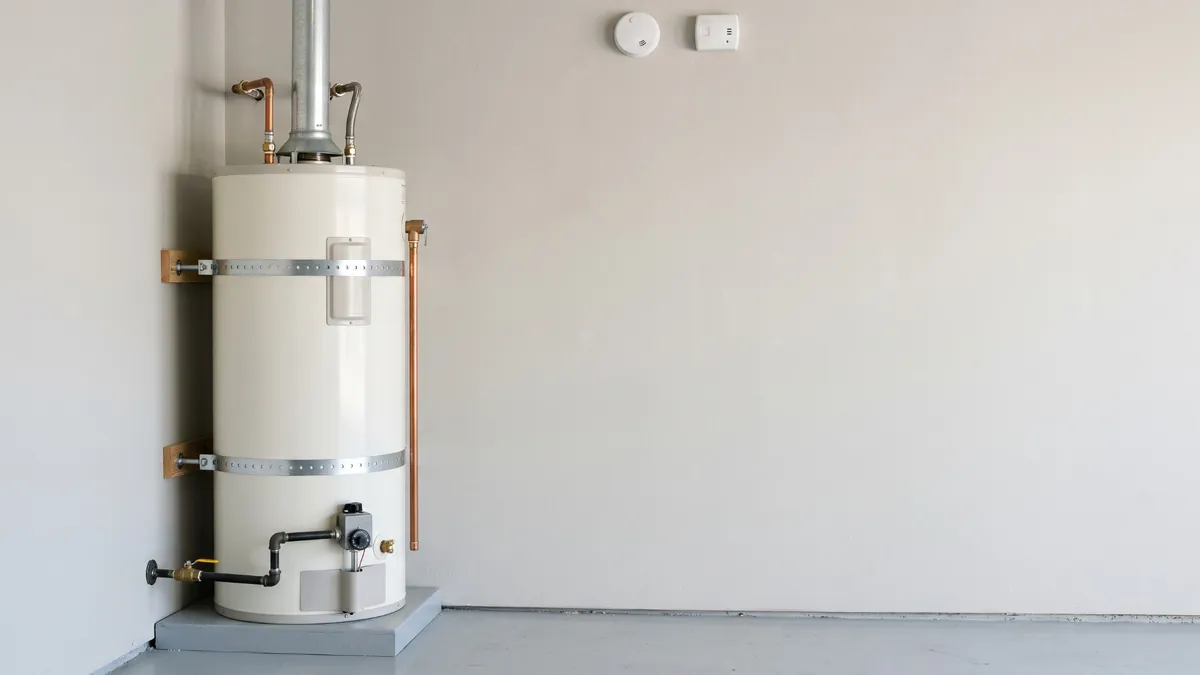
These requirements are usually much more limited than a full repair or renovation list. Some Bay Area cities add their own point-of-sale rules. In parts of the East Bay, for example, the sewer lateral can hold up a closing. In San Francisco, sellers of most residential buildings need a Report of Residential Building Record (3R report) from the city. Check your city before you list.
What not to fix when selling a house: repairs you can usually skip
A repair is worth doing when it adds more to your sale than it costs you in money and time. Many items on a long list don't pass that test. Here's a simple way to sort them:
| Type of repair | Usually worth doing when… | Usually worth skipping when… |
|---|---|---|
| Cosmetic (paint, carpet, fixtures) | It's cheap, quick, and the house is otherwise market-ready | The buyer is likely to remodel anyway, or the house needs bigger work |
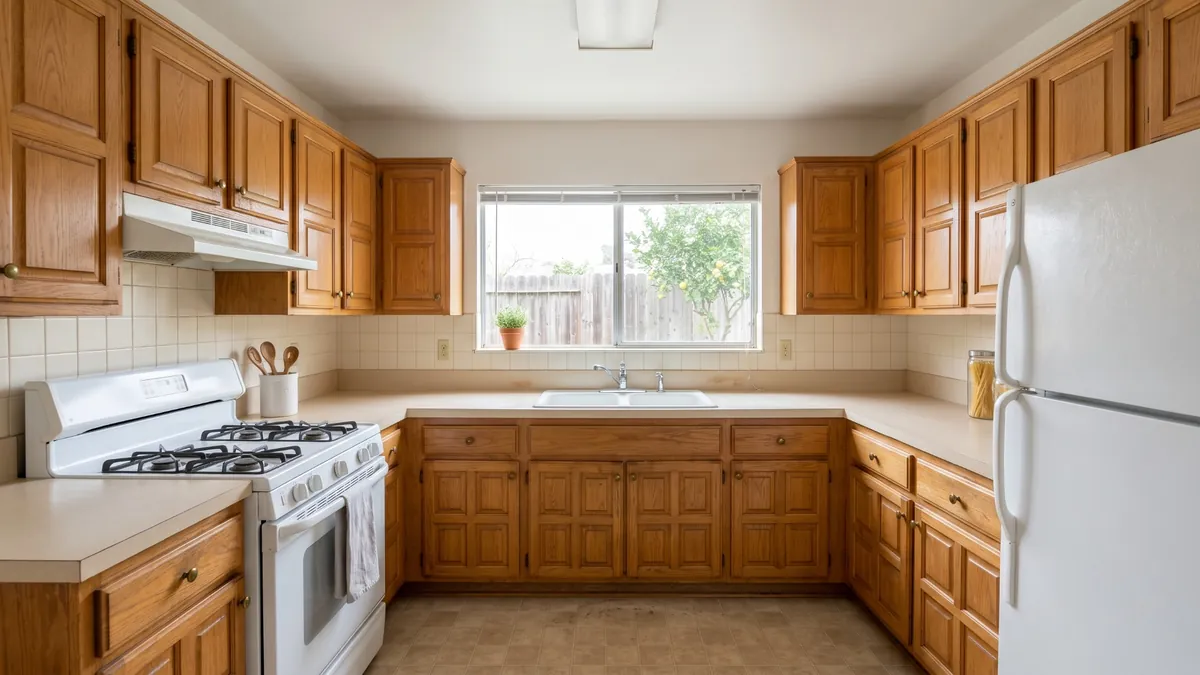
| Kitchen or bath remodel | An agent's comparable sales show updated homes selling for clearly more than the remodel would cost. Buyers may value finishes differently. | The remodel would require substantial time and money, and you carry the costs while it's underway. |
| Big systems (roof, foundation, electrical panel, sewer line) | A local rule requires it, the buyer's loan requires it (some loans require fixing problems that affect the home's "safety, soundness, or structural integrity"), or a written quote is small next to the price difference it makes | No rule or loan requirement applies, and the work needs permits, engineering or weeks of contractors. Get written quotes and let buyers price it. |
| Safety items (smoke and CO alarms, water heater straps) | California or local requirements apply to the property or transaction. | Confirm first whether the requirement applies. Don't assume an as-is sale removes it. |
| Items from the buyer's inspection | The buyer asks and it's simple to fix | A price credit is easier than managing the work during escrow |
A good rule: don't start a big repair you can't finish before you list. An unfinished project may leave buyers unsure about the work still needed.
Fix, give a credit, or sell as-is: how to compare when selling a house
You have three ways to handle a repair list:
Put the three paths side by side with real numbers, not guesses. Use this comparison table, filling in your own numbers, before you decide:
| Line | Fix, then list | List as-is (credit the buyer) | Sell as-is to a direct buyer |
|---|---|---|---|
| Expected sale price | From an agent's comparable sales, after repairs | From an agent, in today's condition | The written offer |
| Repair cost | Two written contractor quotes | Expected buyer credit | None beyond required safety items, unless the agreement says otherwise |
| Months until sold | Repair time + time on the market + escrow | Time on the market + escrow | Escrow, including disclosures and any required safety items |
| Monthly carrying costs | Mortgage + property tax + insurance + utilities + HOA, × the months above | Mortgage + property tax + insurance + utilities + HOA, × the months above | Mortgage + property tax + insurance + utilities + HOA, × the months above |
| Selling costs | Agent commission + closing costs | Agent commission + closing costs | No listing agent commission if you sell without an agent. Check the written offer for which closing costs you pay. |
| What you keep (estimated) | Sale price − mortgage and lien payoffs − repair cost − carrying costs − selling costs | Sale price − mortgage and lien payoffs − buyer credit − carrying costs − selling costs | Offer price − mortgage and lien payoffs − carrying costs − selling costs |
If fixing and listing leaves you clearly more, and you have the cash and the time, that's usually the better path. If the numbers are close, compare the offer terms, the remaining steps, and the work you would need to manage.
When does selling a house as-is make more sense than trying to fix it?
Selling as-is may be worth comparing when the repair list isn't the only problem:
- You can't pay for the work up front, or you don't want to borrow to do it.
- You live far away and can't manage contractors in person.
- The house is inherited and the family wants it settled. See selling an inherited Bay Area home.
- The work needs permits, or there's old unpermitted work that would come up.
- The house is full of belongings, or there are tenants living in it.
Do I have the cash to pay for the repairs before the sale?
Can I be there, or have someone I trust there, to manage contractors?
Will the work need permits, or bring up old unpermitted work?
Does the comparison table show fixing leaves me clearly ahead?
If you answered "no" to the first two or "yes" to the third, selling as-is is worth a serious look.
Listing is usually the better choice when the house is close to market-ready, you have time, and the repairs are small. Our guide on selling your house without fixing it up walks through that choice too.
Legal details: This section is general information, not legal advice. Confirm your situation with a real estate attorney before you act.
Do you still have to disclose problems if you sell as-is?
Yes, in most home sales. California's disclosure rules apply to the sale of single-family residential property, and the law says any waiver of the requirements of this article is void. So "as-is" doesn't replace the disclosure statement. The seller delivers it as soon as practicable before transfer of title.
Some sales are outside these rules, such as sales ordered by a probate court. If you're not sure which applies, ask your attorney or escrow officer.
The practical point: skipping a repair is fine. Hiding a problem you know about isn't. Write down what you know, even if you're not fixing it.
What this looked like in one sale
A real example: moving closer to family
After decades in the same home, one homeowner decided it was time to move closer to family. The move itself was already a major change.
Real estate agents had suggested making updates to the house before putting it on the market. For many sellers, that can mean spending money up front, coordinating contractors, clearing out years of belongings, preparing the home for showings and waiting for a buyer. The homeowner didn't want to take on the updates. What mattered most was a simpler path forward.
- No updates. We offered to buy the house as-is, so nothing had to be fixed or updated before the sale.
- No need to empty the house first. The house was still full of belongings collected over many years. We explained that it didn't need to be emptied before closing, and offered moving boxes and tape for the move.
- Clear numbers. We walked through how we arrived at our offer, including a cost breakdown the homeowner's financial adviser could review.
- A real choice. We were clear that selling to us wasn't the only option. If listing with an agent suited their goals better, they could still choose that route.
The homeowner chose the direct as-is sale. It closed, and they moved out after closing to be closer to family.
That is where an as-is sale can be useful. It isn't automatically the right choice for every property, but sometimes the most valuable thing is a simpler sale with fewer steps between deciding to sell and being able to move on.
Frequently asked questions
Select a question to see the answer.
Do I have to fix the problems on the inspection report before selling my house?
Not as a general rule. You can sell with them, give the buyer a credit, or fix the simple ones. What you can't skip are the safety and certification requirements that apply to your property, like a working smoke alarm and a braced water heater, and you still disclose what you know.
Can I sell a house that needs a new roof without replacing it?
Yes. Get a written quote, disclose the roof's condition, and decide whether to give a credit or price it in. If the buyer is financing the purchase, ask the buyer's lender whether the property's condition creates any additional requirements.
Should I remodel the kitchen before selling?
Consider it carefully. A remodel can require substantial time and money, you carry the costs while it's underway, and buyers may value finishes differently. Clean it, fix what's broken, and let the price reflect the rest.
Does "as-is" mean I don't have to fill out disclosures?
No, for most home sales. The disclosure requirements can't be waived. "As-is" means you aren't promising repairs, not that you're keeping problems quiet.
What if the buyer's inspection finds more problems?
The buyer may request repairs or a credit. Compare that request using the fix, credit or sell as-is table. Often a credit is simpler than managing contractors during escrow.
Related guides

About the author
Juan Diaz
Founder & CEO, Twin Home Buyer
Juan Diaz is the founder and CEO of Twin Home Buyer. He has been investing in Bay Area real estate since 2002. Through Twin Home Buyer, his team helps homeowners considering a direct sale of their property.
Not sure what to fix before selling your house?
Use the fix, credit or sell as-is comparison table above with two contractor quotes and an agent's price. If fixing and listing leaves you clearly ahead and you have the time, listing may be your best move. If not, an as-is number is worth comparing.
If you’d rather sell as-is, reach out and we’ll tell you honestly what we can do.
Request a Cash Offer