When it comes to selling an older home in San Francisco, most homeowners I talk with aren't worried about whether the house can sell. They're worried about everything that comes before that: the roof that's been patched twice, the downstairs room nobody pulled permits for, the insurance renewal letter, and whether a buyer is going to walk in and walk right back out.
The real question is usually this: are the repairs worth doing before I sell, or am I about to spend money that won't come back?
That's the question this guide is built around. I'll walk through what I actually look at in older San Francisco homes, which repairs tend to matter, which ones usually don't, and how to compare your options before you write a check to a contractor.
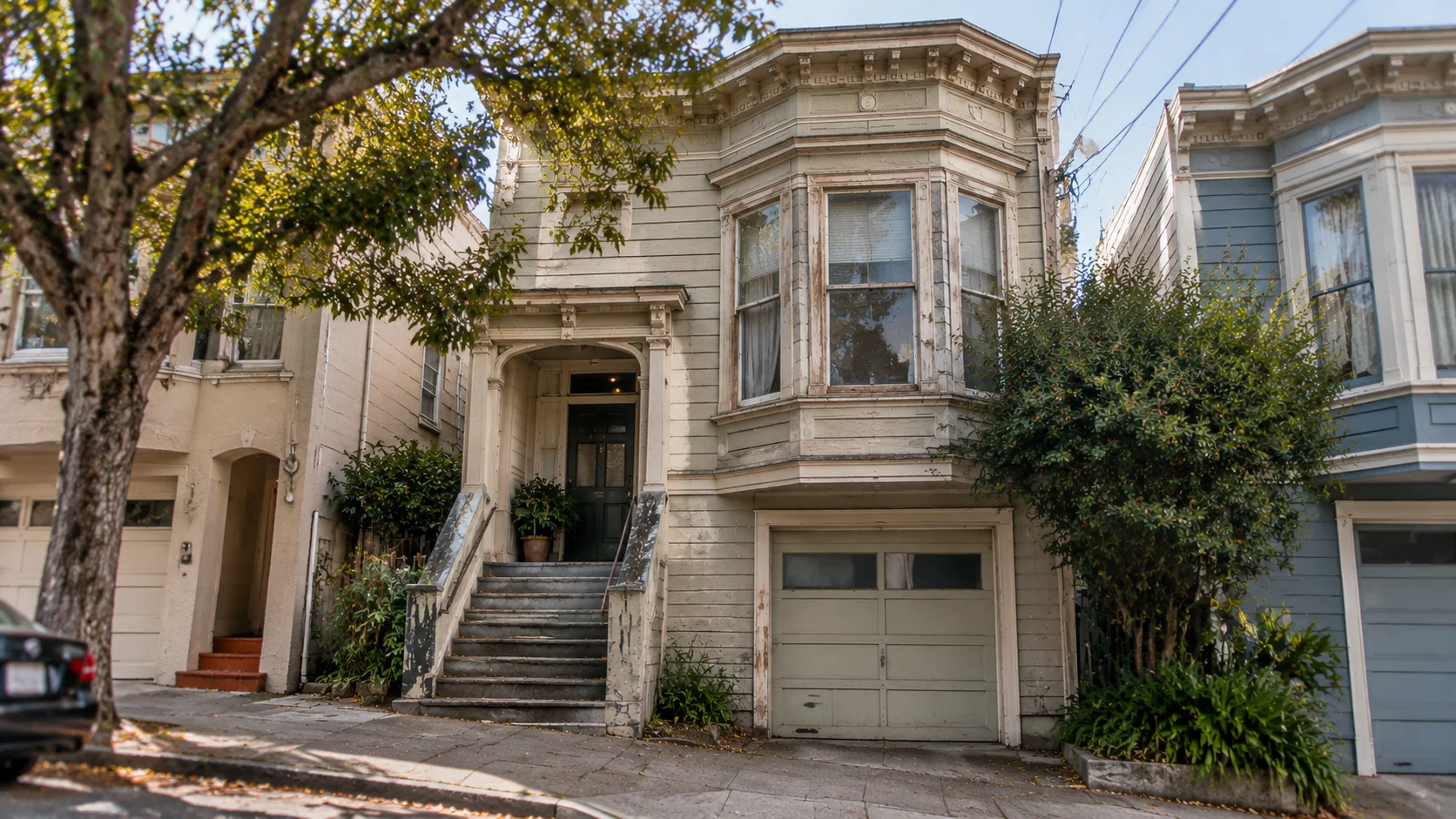
Can You Sell an Older Home in San Francisco Without Fixing Everything?
Yes. You can sell an older San Francisco home without completing every repair first. The right choice depends on five things:
- The property's condition, especially water, structure, and major systems
- Permit history and whether city records match the house
- Your insurance situation
- What buyers in your neighborhood expect
- Whether a repair's cost is likely to come back in the sale
Most owners end up choosing one of three paths: repair before selling, sell with known issues disclosed, or compare an as-is selling option.
Why Selling an Older Home in San Francisco Is Different
San Francisco has some of the oldest housing in California. Close to half of the city's homes were built before 1940, according to U.S. Census Bureau estimates. A lot of the city was rebuilt after the 1906 earthquake and fire, so many neighborhoods are full of Victorians, Edwardians, and 1920s through 1940s homes that have been lived in, remodeled, and repaired by several generations of owners.
That history is part of what makes these houses valuable. It's also what makes selling an older home in San Francisco harder to plan. The same house can have original wiring in one room, a 1970s remodel in another, and a lower level that someone finished without telling the city. Every one of those layers can raise a question for a buyer, an inspector, a lender, or an insurance company.
Age alone isn't the problem. A 100-year-old house can be well maintained. What matters is the condition of the property today, and whether the paperwork tells the same story as the house.
What I Look at First in an Older San Francisco Home
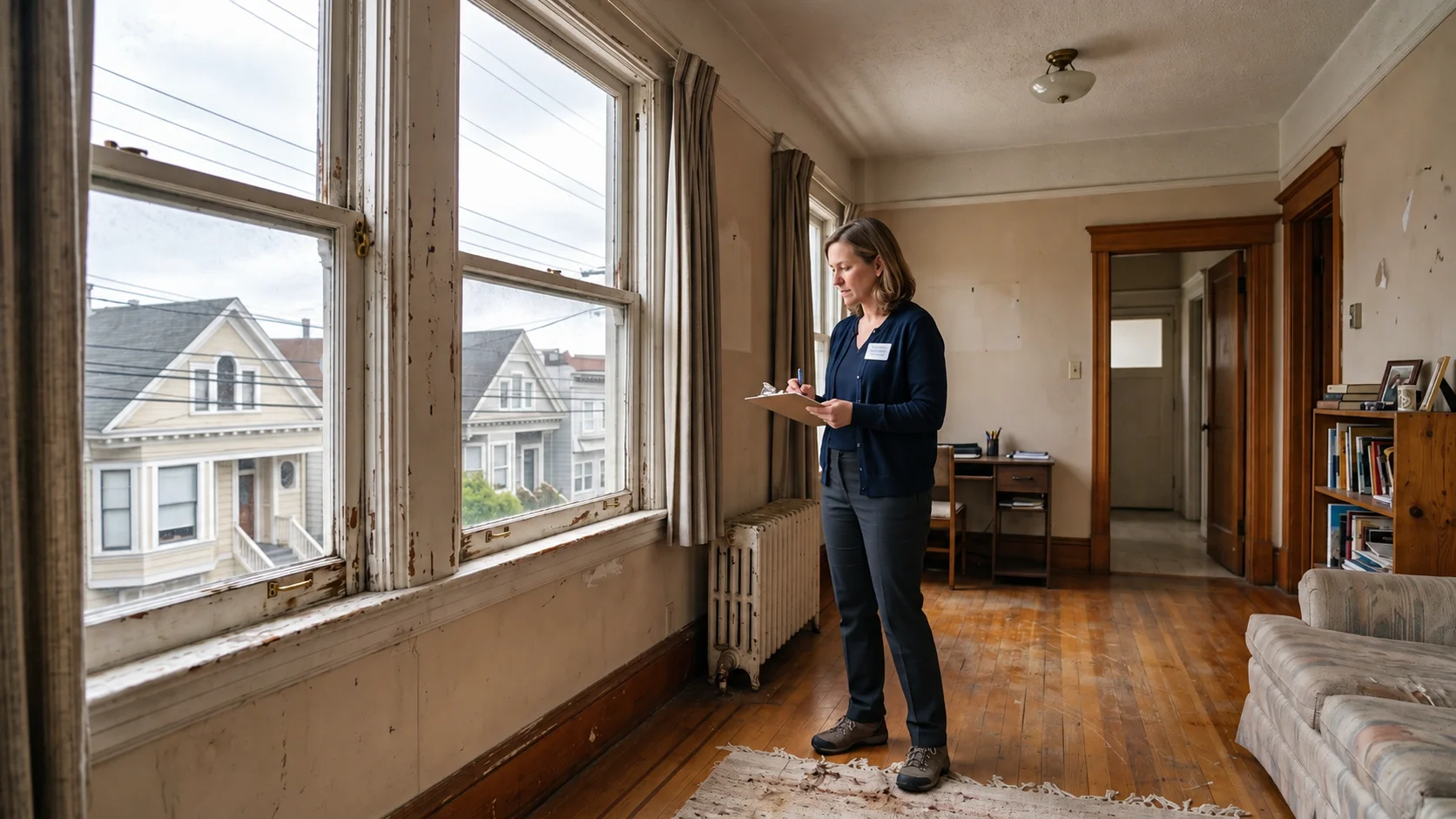
A buyer may accept an older kitchen. What often creates questions for buyers, inspectors, and lenders is uncertainty. These are the four areas I check before I'd recommend spending anything.
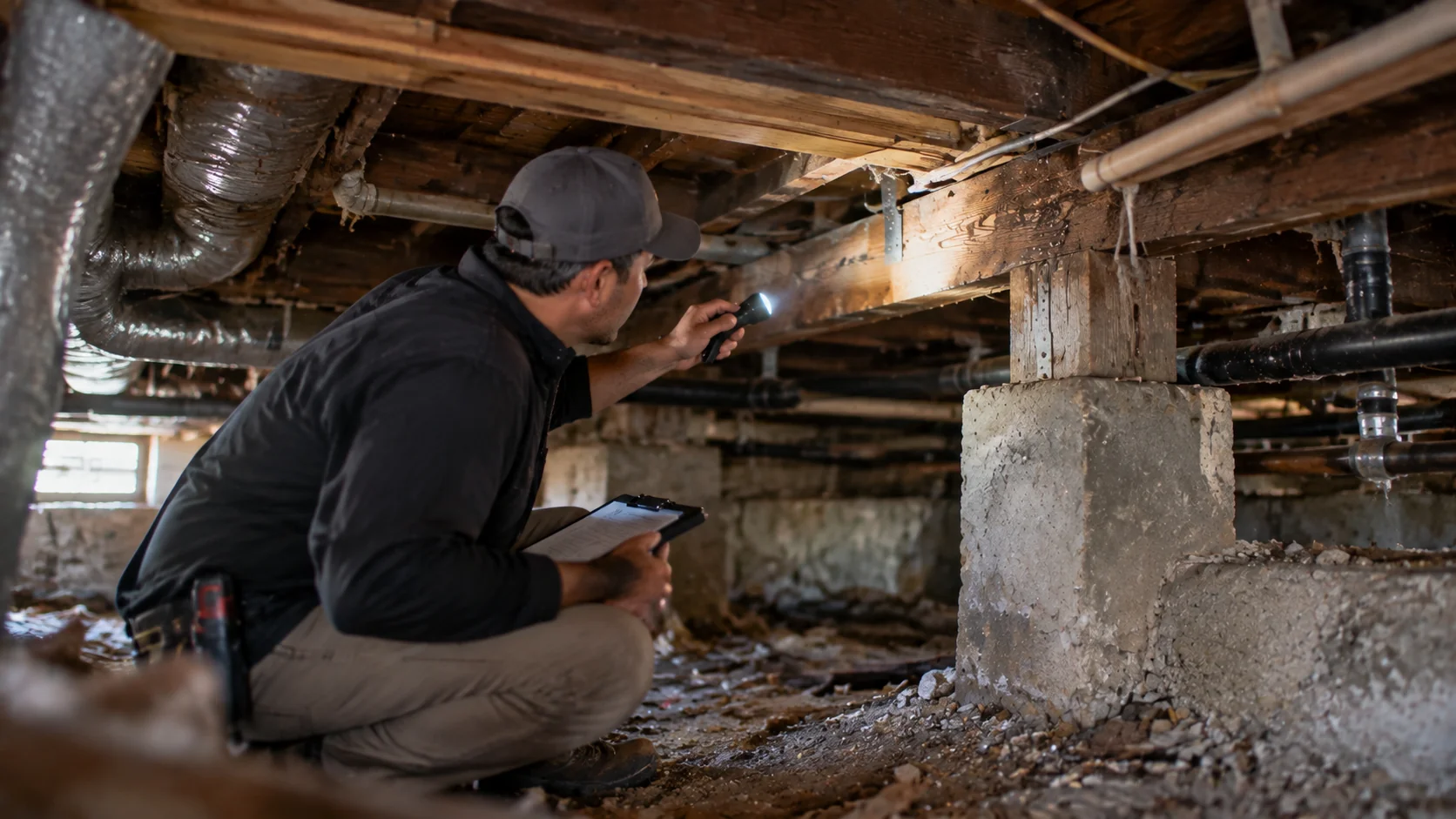
Water Issues
Is water getting in anywhere? In San Francisco, I look closely at roofs, windows, and the lower level, especially in foggy, wind-exposed neighborhoods and on hillside lots where water runs toward the house. Buyers want to know one thing: is this still happening, or was it fixed?
Structural Concerns
Is the house moving? Foundation cracks, sloping floors, hillside settlement, and older additions are what make buyers bring in engineers. If this is your main concern, read more about foundation problems in older Bay Area homes.
Major Systems
Are the electrical and plumbing safe? Many pre-war San Francisco homes still have some original wiring, older panels, or old galvanized pipes. Those can come up in inspections and can make insurance harder to get, which matters even if the buyer doesn't care about the look of the house.
Permits
Does the paperwork match the house? This is the San Francisco issue I see most. A bathroom remodeled without clear records, an old addition, a garage or ground floor turned into living space, or changes a previous owner never documented.
Which Repairs Usually Matter Before Selling, and Which Usually Don't?
This is the part most homeowners get backwards when selling an older home in San Francisco. The repairs that feel most important, like the dated kitchen, are often the ones that matter least to the sale. The repairs that remove uncertainty usually matter most.
| Repair | Usually Worth Considering Before Selling? | Why |
|---|---|---|
| Active roof leak or water intrusion | Often yes, or at least get it diagnosed | Active water raises questions about hidden damage, and buyers and insurers react to it. |
| Safety hazards (exposed wiring, gas issues, failed railings) | Usually yes | Safety problems can affect inspections, financing, and insurance, and they're often smaller jobs. |
| Foundation or structural issues | Get an engineer's opinion first | The scope can be large and hard to predict. Many owners disclose the issue and let the price reflect it rather than start a major project. |
| Legalizing unpermitted work | Case by case | It can involve plans, inspections, and opening walls. Know the scope before you commit, because it can take months. |
| Kitchen or bathroom remodel | Usually not | It's expensive and slow, and buyers of older homes often plan to redo it their own way. |
| Paint, cleaning, and minor fixes | Sometimes | Low cost and quick. Helpful for a traditional listing, but it won't solve a structural, permit, or insurance problem. |
Every house is different. Get bids from licensed contractors, and check a contractor's license with the California Contractors State License Board before hiring.
Before Spending Money on Repairs, Answer These 3 Questions
Before a homeowner writes a check to a contractor, I ask them to answer these honestly. If the answer to all three isn't yes, the repair probably isn't the right first move.
- Will this repair remove a buyer objection? Fixing an active leak removes a question every buyer will ask. New paint usually doesn't.
- Will it change what you walk away with? If a repair costs $40,000 and buyers only pay $20,000 more for it, you lost money doing it.
- Can you finish it without delaying the sale? Permits, contractor schedules, and surprises behind the walls can turn a two-month project into six.
Should I Renovate My Old San Francisco Home Before Selling?
Not always. When you're selling an older home in San Francisco, renovation can make sense when you have time, the scope is clear, and the work fixes something buyers will actually object to. In San Francisco, it also means permits through the Department of Building Inspection, contractor schedules, and the real chance that opening a wall in a 100-year-old house turns up something nobody planned for.
Renovation usually makes less sense when you inherited the property, don't want to manage construction, the repair list keeps growing, or your timeline matters more than finishing improvements.
How Do Insurance Issues Affect Selling an Older San Francisco Home?
Insurance used to be something people thought about after the sale. In California today, it can come up during the sale. Mortgage lenders generally require buyers to carry homeowners insurance (CFPB), so an insurance problem on an older house can turn into a financing problem for your buyer.
With older San Francisco homes, the things that tend to make insurers ask questions are the same things buyers ask about: an old roof, older wiring or panels, past water damage, and deferred maintenance. Before selling, it helps to know:
- Is your current policy active?
- Are there renewal concerns coming up?
- Is anything about the home's condition affecting coverage?
- Could insurance become a concern for a buyer during escrow?
If your carrier already dropped you, see what to do when your insurance company drops you before selling.
Insurance situations are specific. Review your circumstances with a licensed insurance professional.
Do Permits Matter When Selling an Older San Francisco Home?
They can, and San Francisco has its own paperwork that makes permit history hard to ignore.
- What does the city say this house is? Before selling a residential building in San Francisco, the owner must get a 3R Report (Report of Residential Building Record) from the Department of Building Inspection and give it to the buyer. It shows the building's authorized use and building permit history. It does not include plumbing, electrical, or commercial permits, so it may not show every change made to the house. Request a 3R report from DBI.
- Was the work you know about permitted? DBI keeps plans, permit applications, and job cards. DBI Records Management.
- Are there open violations? Check for any Notices of Violation (NOVs) tied to the address.
- Does the paperwork match how the house is used? If the ground floor is a bedroom but the records say storage, a buyer's agent or lender will likely ask about it.
If a garage or lower level was converted, this is the same issue I cover in selling a house with a converted garage.
Permit and code questions can be specific to your property. If something doesn't match, talk with a permit professional or real estate attorney before deciding what to do.
What Does "Sell With Known Issues Disclosed" Mean?
You don't have to fix a problem to sell a house with it. But in California, you generally do have to tell the buyer about it. Sellers of most homes with one to four units must give buyers a Transfer Disclosure Statement covering known defects, and state law says those disclosure requirements can't be waived, even in an as-is sale (California Civil Code § 1102). Some sales, such as certain estate and trust sales, use different forms, but honesty about known problems still matters.
That's why "sell as-is" and "hide it" are not the same thing. Disclosing a known foundation crack or an unpermitted room up front is usually what keeps a deal from falling apart later in escrow.
Disclosure rules depend on the type of sale. Confirm what applies to you with a real estate attorney or your escrow or title company.
What Can Delay or Stop the Sale of an Older Home?
This is where I see deals get stuck when someone is selling an older home in San Francisco. None of these mean the house can't sell. They mean you want to know about them before you pick a path.
- The records don't match the house. The 3R shows one legal use, but the home is used another way. Buyers and lenders may notice.
- The wrong person is signing. If the home is inherited, in a trust, or owned by several family members, escrow can't close until the person with legal authority signs. More on legal authority to sell inherited property.
- The buyer can't get insurance. If a financed buyer can't get coverage, the loan may not fund.
- One repair uncovers three more. Opening walls on an older home often finds work nobody planned for, and the timeline moves.
For the full list, see what can delay an as-is home sale in the Bay Area.
What San Francisco Homeowners Should Review Before Selling
Before selling an older home in San Francisco, I'd want these five things answered. You don't need all of them done. You need to know where you stand on each.
| What to Review | Where to Look | Why It Matters |
|---|---|---|
| Property condition | A pre-sale home inspection and a pest inspection | You find out what a buyer's inspector will find, before they find it. |
| Permit history | The 3R Report and DBI permit records | Shows whether the city's records match how the house is actually used. |
| Insurance situation | Your current policy, any renewal or non-renewal notice, and your insurance agent | Coverage problems can affect a financed buyer's loan. |
| Major systems | A licensed electrician, plumber, or roofer for anything the inspection flags | Wiring, plumbing, and roof issues affect safety, insurance, and financing. |
| Repair priorities | Written bids from licensed contractors | Real numbers let you compare repair cost against what the repair may change in the sale. |
If the home is inherited or held in a trust, add one more: confirm who has legal authority to sign before you do anything else.

Image source: Redfin, "San Francisco, CA Neighborhoods" Bernal Heights, San Francisco
Selling an Older Home by San Francisco Neighborhood
The type of house, the common problems, and what buyers expect all change from one neighborhood to the next.
Richmond District
The homes: Mostly early 20th-century single-family homes and flats, many Edwardian or built in the 1920s and 1930s, often owned by the same family for decades.
Common concerns: Fog, wind, and salt air near the ocean are hard on exteriors, windows, and roofs, so moisture and deferred maintenance are the usual questions.
What to review: Signs of water intrusion, the condition of windows and siding, and whether any ground-floor rooms are on record.
Sunset District
The homes: Rows of single-family homes built over a garage, many from the 1930s through the 1950s.
Common concerns: Long-term owners or their children selling a family home, aging systems, fog-related moisture, and ground floors finished at some point.
What to review: Whether the downstairs space is permitted, and how much deferred maintenance a buyer will see.
Bernal Heights
The homes: Older cottages, Victorians, and single-family homes on hillside lots, often expanded with additions or lower levels over the years.
Common concerns: Foundation and settlement questions on slopes, drainage, and improvements made in stages, sometimes without complete paperwork.
What to review: An engineer's opinion if there are signs of movement, drainage around the foundation, and whether additions match DBI records.
Excelsior and Outer Mission
The homes: Older single-family homes, many bungalow-style, where families added living space over time, such as garage conversions, in-law units, or back additions.
Common concerns: Multigenerational households or heirs deciding what to do with a family home, and added space that may not be permitted.
What to review: The 3R Report against the actual layout, because buyers and lenders treat unpermitted space differently than permitted square footage.
Noe Valley and Surrounding Neighborhoods
The homes: Largely Victorians and Edwardians, many of them already fully remodeled.
Common concerns: An original or partly updated home competing against renovated listings nearby.
What to review: How much of the price gap comes from condition versus location, before deciding what's worth fixing.
Should You Repair, List, Keep, or Sell Your Older San Francisco Home As-Is?
| Option | When It Makes Sense | Considerations |
|---|---|---|
| Repair Before Selling | You have time, the repair scope is clear, and the improvements solve important buyer concerns. | Construction timelines can change, costs can increase, and more issues may appear once work begins. |
| List With Known Issues Disclosed | The home is livable and you want exposure to traditional buyers without doing major work first. | Buyers may ask for credits or repairs, and financing or insurance issues can slow escrow. |
| Keep It for Now | There's no pressure to sell and the home still works for you or your family. | Deferred maintenance keeps adding up, and insurance and repair costs can change. |
| Get Professional Help First | There are open questions about ownership, authority, title, permits, or insurance. | An attorney, title company, or insurance professional may need to answer these before any sale can close. |
| Sell As-Is to a Direct Buyer | The home needs significant work, you don't want to manage construction, or certainty matters more than the highest possible price. | A direct sale typically comes in below a fully repaired home's open-market price. You still disclose known issues. |
Common Mistakes Homeowners Make With Older Homes
- Remodeling the kitchen while the real problem is permits or water. It looks better, but the buyer's biggest question is still there.
- Starting repairs before getting an inspection. You fix one thing and the inspection finds three more.
- Waiting until the insurance or repair problem gets worse. Getting clarity early usually creates more options, not fewer.
How I Look at Older San Francisco Homes
When a homeowner tells me they're selling an older home in San Francisco, the first question I ask is not how much renovation can we do. It's what situation is this homeowner actually in?
Maybe the owner has lived there for 40 years and doesn't want to manage a construction project. Maybe the property was inherited and the family needs to decide what comes next. Maybe the home needs work, but the homeowner doesn't know where to begin. Each of those leads to a different answer, and a good decision starts with the right information.
Frequently Asked Questions
Can I sell an older San Francisco home without fixing everything?
Yes. You can sell an older San Francisco home without completing every repair first. The right approach depends on the home's condition, the repairs needed, your timeline, your budget, and your goals.
Do I need a 3R report to sell a house in San Francisco?
Yes. Before selling a residential building in San Francisco, the owner must get a 3R report from the Department of Building Inspection and give it to the buyer. The report shows the building's authorized use and building permit history, but not plumbing, electrical, or commercial permits.
Should I renovate an old house before selling it in San Francisco?
Not always. When you're selling an older home in San Francisco, renovation can make sense when you have time, the scope is clear, and the work addresses real buyer concerns. It may not make sense if you inherited the home, don't want to manage construction, or your timeline matters more than finishing improvements.
Can insurance problems affect selling an older home in California?
They can. Mortgage lenders generally require buyers to carry homeowners insurance, so an insurance problem on an older home can become a financing problem for the buyer. Review your situation with a licensed insurance professional.
Who buys older San Francisco homes that need work?
Older homes that need work usually attract three kinds of buyers: owner-occupants willing to take on a project, investors or contractors who plan to renovate, and direct cash buyers who purchase as-is. Buyers relying on a standard loan may have a harder time if the home has safety, insurance, or permit problems.
What should I do first if I inherited an older San Francisco home?
Confirm who has legal authority to sell before making repair or listing decisions. A trust, will, probate case, or multiple heirs can each change who signs and how long the process takes. A probate attorney or title company can tell you which applies.
What can stop the sale of an older San Francisco home?
Common issues include city records that don't match how the home is used, the wrong person signing on an inherited or trust-owned home, a buyer who can't get insurance, and repairs that uncover more work than expected.
Related Guides
- Selling an outdated or old house
- Selling your house in San Francisco
- Selling a fixer-upper as-is in the Bay Area
- Selling a tenant-occupied property in San Francisco
- Selling a house as-is in the Bay Area
Sources and References
- San Francisco Department of Building Inspection, Request a Report of Residential Building Record (3R report)
- San Francisco Department of Building Inspection, Records Management
- California Legislative Information, Civil Code § 1102 (real estate transfer disclosures)
- Consumer Financial Protection Bureau, What is homeowner's insurance? Why is it required?
- U.S. Census Bureau, American Community Survey 5-Year Estimates, Table DP04: Selected Housing Characteristics, San Francisco County
- California Contractors State License Board, License lookup
Find Out Which Option Fits Your Home
Before spending thousands on repairs, it helps to understand what options you actually have and what those repairs may change. If you're selling an older home in San Francisco, we can walk through the condition, the paperwork, and the real numbers with you, including when repairing, listing, or keeping the house makes more sense than selling to us.
Twin Home Buyer is a cash home buyer. We buy homes as-is, so selling to us is one of the options in this guide. It isn't always the right one. Twin Home Buyer is not a real estate agent or appraiser.
